Plymouth, CT · Litchfield County
Attic Water Damage Restoration in Plymouth, CTRoof Leak Water Removal & Attic Drying Services
Attic Water Damage Restoration in Plymouth includes roof leak water removal, ceiling water damage cleanup and attic moisture inspection.
Answered 24/7
Get Help with Attic Water Damage Restoration in Plymouth
Attic Water Damage Restoration in Plymouth deals with leaks from roofs, attic plumbing, AC drain pans and bathroom exhaust ducts. Each one leaves water on the attic floor and in the insulation, and each one needs a different fix at the source.
A storm leak in Plymouth can soak attic insulation in one night. Local restoration specialists serve Plymouth and nearby Thomaston, Terryville and Bristol Center, with help available around the clock.
Available Attic Water Damage Restoration Work in Plymouth
Roof Leak Water Removal
A roof leak often drips in one spot but spreads along rafters and decking. The pros follow the water path to find every wet area.
Attic Drying Services
Attic drying targets the wood framing and the ceiling below, with readings taken until both return to normal levels.
Attic Moisture Inspection
An inspection shows how far the water spread from the leak point, which decides what is dried in place and what is removed.
Emergency Attic Water Extraction
Water in the attic quickly becomes a ceiling problem. Fast extraction keeps the ceiling drywall below from sagging and falling.
Attic Mold Prevention
After drying, an antimicrobial can be applied to roof decking and framing that were wet, to slow mold on surfaces that stay in place.
Warning Signs You Need Attic Water Damage Restoration
High Energy Bills
Wet insulation loses its insulating value, so heating and cooling bills can rise after a leak.
Visible Mold in Attic
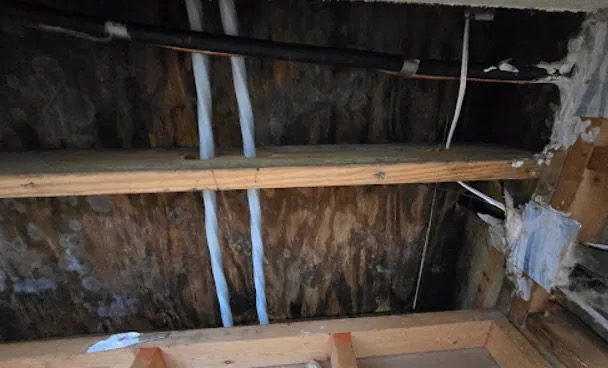
Dark spots on roof decking or rafters mean the wood has stayed damp for some time.
Water Stains on Ceiling
Brown rings or yellow spots on an upstairs ceiling usually mean water is sitting on the drywall from above.
Peeling Paint or Wallpaper
Paint that bubbles or peels on upstairs ceilings and walls often has water behind it.
How Attic Water Damage Restoration Works in Plymouth
Step 1: Initial Assessment and Water Removal
The pros find the source, check safety in the attic and remove standing water and wet debris.
Step 2: Wet Attic Insulation Removal
Soaked batts or blown-in insulation are bagged and removed so the wood and drywall can dry.
Step 3: Targeted Attic Drying Process
Drying equipment is aimed at the wet framing and ceiling, and moved as areas reach normal readings.
Step 4: Sanitization and Mold Prevention
Once dry, decking and rafters that stayed wet can be cleaned and treated with an antimicrobial.
What Causes Attic Water Damage in Plymouth?
Overflow From Bathroom Exhaust Fans
Bathroom fans that vent into the attic, or have disconnected ducts, release moisture onto the decking.
Condensation From Poor Ventilation
Warm, moist air from the house condenses on cold roof decking when the attic is poorly vented.
Attic Appliance Leaks
AC air handlers in the attic overflow when the condensate line clogs or the pan cracks.
Improperly Sealed Roof Penetrations
Gaps around vents, pipes and antennas that pass through the roof let water in when seals fail.
Attic Water Damage Restoration for All Property Types in Plymouth
Residential Attic Water Damage Restoration
For townhomes and condos, an attic leak can cross into a neighbor's space. Fast drying and clear records help sort out repairs with the association.
Commercial Attic Water Damage Restoration
Property managers get photos and readings for each affected unit or suite, which simplifies insurance claims and roof repair planning.
Handling Attic Water Damage: DIY Risks vs. Pro Help
Fixing the roof stops new water but does not dry what is already wet. After any roof repair, have the attic checked for damp insulation and wood.
What Influences Attic Water Damage Restoration Expenses?
Roof repair is a separate cost from water removal and drying. In Plymouth, both are usually needed after a roof leak.
Mold Prevention Measures
Antimicrobial treatment of decking and rafters that stayed wet is an added cost.
Affected Attic Materials
Wet insulation, decking and ceiling drywall that must be removed add labor and disposal costs.
Size and Accessibility
Low, tight attics take longer to work in than tall attics with easy access.
Does Insurance Cover Attic Water Damage Restoration?
Take photos of the ceiling, the attic and any storm damage on the roof before cleanup starts. Keep receipts for tarping and emergency drying.
Benefits of Local Pros for Attic Water Damage Restoration in Plymouth
Wet Insulation Handling
Wet insulation is bagged and removed carefully, keeping debris out of the living space.
Detailed Documentation
Photos, readings and drying logs are kept to support your insurance claim.
24/7 Emergency Response
Help is available day or night when rain or a burst pipe is pouring water into the attic.
Round-the-Clock Attic Water Damage Restoration in Plymouth
Storm, night or holiday, local restoration specialists handle attic leaks in Plymouth. Call (475) 242-0613 to get the water out and drying started.
Call Now (475) 242-0613Local Attic Water Damage Restoration Coverage Area
Other places served are listed below, each with its own page.
- Attic Water Damage Restoration in Thomaston
- Attic Water Damage Restoration in Terryville
- Attic Water Damage Restoration in Waterville
- Attic Water Damage Restoration in Bristol
- Attic Water Damage Restoration in Woodbury Center
- Attic Water Damage Restoration in Woodbury
- Attic Water Damage Restoration in Cheshire
- Attic Water Damage Restoration in Cheshire Village
Frequently Asked Attic Water Damage Restoration Questions
What are common signs of poor attic ventilation?
Damp or dark roof decking, rusted nails, musty smells and condensation on the underside of the roof.
Is attic mold prevention always needed after water damage?
Fast drying is always needed. Antimicrobial treatment is added when wood stayed wet long enough to need it.
Does a roof leak always cause attic mold growth?
No. Mold is more likely when wood and insulation stay wet for days, so drying is the main way to prevent it.
How long does the attic drying process take?
Often several days, depending on how wet the wood is, the attic temperature and how much insulation was removed.
What are the first steps after finding attic water damage?
Catch active drips, move belongings out of the room below, keep away from sagging ceilings and call for an inspection and water removal.