Brooklyn, CT · New Haven County
Black Mold Remediation & Removal in Brooklyn, CTPost Remediation Verification & HEPA Vacuuming For Mold Spores
Effective black mold remediation & removal in Brooklyn often requires mold containment procedures, mold-contaminated material removal, and HEPA vacuuming for mold spores.
Answered 24/7
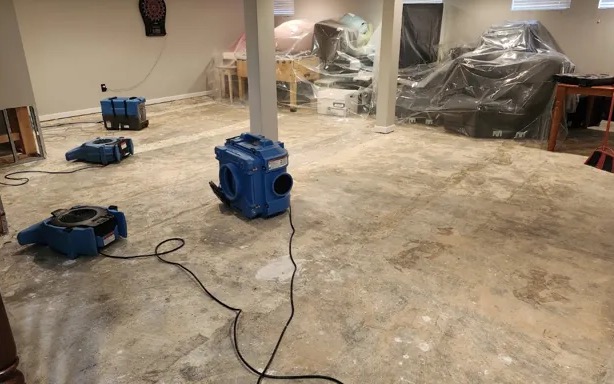
Local Black Mold Remediation & Removal for Brooklyn Properties
Black mold remediation and removal matters in Brooklyn because toxic mold spores can affect indoor air quality and structural integrity. Unchecked moisture leads to mold inside walls that keeps coming back.
Black mold remediation and removal for properties in Brooklyn and nearby places like Bucks Hill, East End and North End addresses localized moisture issues that foster toxic mold. The process includes HEPA vacuuming and antimicrobial treatment.
Detailed Black Mold Remediation & Removal Process in Brooklyn
Post Remediation Verification
A final verification step provides documentation that the remediation process has been successfully concluded. This assessment checks that all agreed-upon work has been completed to standard.
HEPA Vacuuming for Mold Spores
In the Brooklyn area, mold remediation specialists use HEPA vacuuming as a standard cleaning procedure. It removes lingering contaminants from surfaces.
Antimicrobial Treatment for Mold Remediation
After cleaning, antimicrobial agents are applied to affected surfaces to inhibit future mold growth. This treatment is part of the final steps to help prevent the problem from quickly returning.
Mold-Contaminated Material Removal
The pros in Brooklyn follow protocols for the proper removal and bagging of mold-contaminated materials. It removes the source of the infestation.
Mold Containment Procedures
The zone is sealed with plastic sheeting and a decontamination chamber. These measures are taken to control the environment and prevent cross-contamination.
Signs That Require Black Mold Remediation
Condensation on Windows
Excessive condensation on windows or cold surfaces signals high indoor humidity, a primary factor for black mold in walls.
Persistent Musty Odors
A strong, earthy smell that lingers in certain rooms or areas often points to hidden mold growth behind walls or under flooring.
Visible Black or Green Mold
Patches of black, green, or gray fuzzy mold on walls, ceilings, or baseboards are a clear sign of an active mold problem.
Recent Water Damage History
Previous leaks, flooding, or high humidity events create the perfect environment for toxic mold to begin growing unseen.
How Black Mold Remediation & Removal Works in Brooklyn
Step 1: Professional Mold Inspection
The process begins with a detailed mold inspection to assess the extent of contamination, identify moisture sources, and determine the scope of the black mold remediation project.
Step 2: Containment and Air Filtration
Mold containment procedures are established using physical barriers, and air scrubbers run continuously to capture airborne spores and prevent cross-contamination during the mold removal services.
Step 3: Removal and Cleaning
Mold-contaminated porous materials are safely removed. All remaining surfaces undergo HEPA vacuuming for mold spores followed by an antimicrobial treatment for mold remediation.
Step 4: Verification and Moisture Control
Verification confirms the area is clean and dry. The final, critical step is moisture source correction to prevent the mold problem from returning.
Primary Causes of Black Mold Damage in Brooklyn
High Indoor Humidity Levels
Consistently high humidity from daily activities or a faulty AC unit provides the constant moisture mold spores need to thrive and spread.
Landscaping and Grading Issues
Soil sloping toward the foundation or dense planting against walls directs water into the structure, a key factor for mold prevention failure.
Poor Bathroom Ventilation
Inadequate exhaust fans allow steam from showers to saturate walls and ceilings, creating a perfect habitat for black mold growth.
Improperly Dried Water Damage
Incomplete drying after a leak or flood leaves moisture in materials, and mold follows.
Both Residential & Commercial Black Mold Remediation & Removal in Brooklyn
Residential Black Mold Remediation & Removal
Homeowners may discover mold in basements, crawlspaces, or around windows due to condensation. Fixing the moisture source and removing contaminated materials makes the home healthy again.
Commercial Black Mold Remediation & Removal
Offices, stores and schools need mold removal that limits downtime. Pros implement mold containment procedures and detailed documentation to support any necessary insurance claims for the property owner.
Black Mold Remediation & Removal Professionals vs. DIY Attempts in Brooklyn
Regularly checking for and repairing minor plumbing leaks under sinks or around toilets is a good DIY maintenance step. When a leak has caused extensive moisture damage or hidden mold growth, professional mold inspection and containment are necessary for safe removal.
What Affects Black Mold Remediation & Removal Cost in Brooklyn, CT
Post remediation verification testing, which includes air quality testing to confirm successful mold cleanup and acceptable spore levels, adds to the total project investment for mold damage restoration.
Material Removal Volume
The amount of drywall, insulation, or flooring that is unsalvageable and requires disposal affects debris hauling and replacement costs.
Air Scrubber Requirements
The number and size of HEPA filtration units needed to clean the air during the mold remediation process influence equipment fees.
Containment Complexity
Sealing off the work area with barriers to prevent spore spread during mold removal increases setup time and material needs.
Does Insurance Cover Black Mold Remediation & Removal?
Mold removal is covered only if your policy includes it and the mold came from a covered water loss. The specialists document the damage for your claim, and the insurer makes the decision.
Advantages of Hiring Mold Remediation Specialists in Brooklyn
24/7 Emergency Mold Response
An assessment of visible black mold examines moisture sources and affected materials to guide containment and removal.
Industry-Standard Remediation Methods
Containment, removal and cleaning take out mold colonies and help prevent regrowth.
Containment Barrier Installation
Sealing the work area with plastic sheeting prevents the cross-contamination of mold spores to clean parts of your property.
24/7 Emergency Black Mold Remediation & Removal in Brooklyn, CT
Toxic mold poses health and property risks. If you see or smell mold, act quickly. Contact (475) 242-0613 any time for emergency black mold removal service initiation.
Call Now (475) 242-0613Black Mold Remediation & Removal Service Area Including Brooklyn
The places below are also served, and each one has its own page.
- Black Mold Remediation & Removal in Bucks Hill
- Black Mold Remediation & Removal in East End
- Black Mold Remediation & Removal in North End
- Black Mold Remediation & Removal in Pine Hill
- Black Mold Remediation & Removal in Robinwood
- Black Mold Remediation & Removal in Bunker Hill
- Black Mold Remediation & Removal in Hillside Historic District
- Black Mold Remediation & Removal in Overlook
Your Black Mold Remediation & Removal Questions Addressed
Why is mold inspection a critical first step?
Inspection with moisture meters and thermal imaging finds the full extent of damage, including hidden mold, which is necessary for an accurate remediation plan.
Is mold testing necessary before remediation?
A professional mold inspection identifies the type and extent of mold, which guides the remediation plan. Post-remediation verification testing confirms the cleanup was successful.
What is post remediation verification?
It is a final step where independent air and surface samples are taken after cleanup to scientifically verify that mold spore counts are within acceptable limits.
How can mold prevention be maintained after remediation?
Keep humidity low, fix leaks promptly, vent bathrooms and kitchens and check damp-prone areas regularly.
What happens during mold-contaminated material removal?
Porous materials like moldy drywall and insulation are carefully bagged and sealed on-site for disposal, preventing spore release during transport from your property.