Bucks Hill, CT · New Haven County
Black Mold Removal from Water Damage in Bucks Hill, CTBlack Mold Inspection & Contaminated Material Removal
Black Mold Removal from Water Damage in Bucks Hill starts with a black mold inspection and water damage source containment.
Answered 24/7
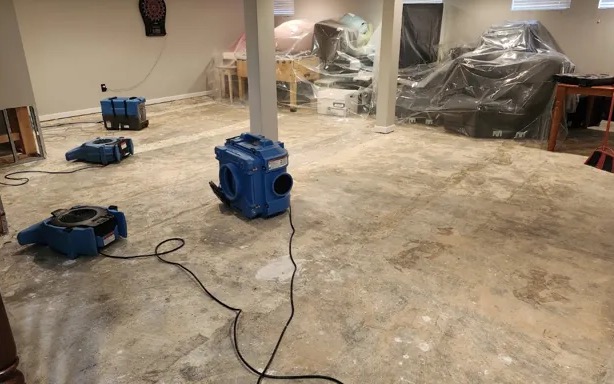
Expert Black Mold Removal from Water Damage for Bucks Hill Homes
Black mold inspection identifies hidden threats after water damage in the Bucks Hill community in Waterbury. Early detection prevents extensive repairs. Local experts conduct testing and plan a full cleanup.
Residents in Bucks Hill, Brooklyn, East End and North End benefit from professional water damage restoration. Local water restoration pros follow a detailed mold remediation process. Early action helps prevent mold after water damage.
The Black Mold Removal from Water Damage Process in Bucks Hill, CT
Black Mold Inspection
For properties in Bucks Hill, inspection involves moisture mapping and air sampling. This testing establishes a baseline spore count, crucial for designing a targeted and complete black mold remediation protocol.
Contaminated Material Removal
The pros safely remove, bag, and seal heavily contaminated porous materials for proper disposal, eliminating the mold's habitat.
Water Damage Repair
The pros handle the final repairs, such as patching leaks and reinstalling building materials, to return a property to its pre-damage state.
Water Damage Source Containment
The containment step isolates the work zone, preventing cross-contamination. Using engineering controls, the pros create a safe, segregated area for the removal procedures.
Mold Spore Treatment
This treatment involves applying specialized solutions to structural surfaces and framing after mold is removed. It is a preventative measure designed to support long-term dryness and discourage mold from returning.
Detecting the Need for Black Mold Removal from Water Damage
Peeling Paint or Wallpaper
Bubbling or peeling surfaces often conceal moisture and black mold growth underneath. This is a common sign in water-damaged walls.
Condensation on Windows
Excessive condensation creates the damp environment black mold thrives in. This is a key factor in mold after water damage situations.
Warped or Buckling Flooring
Wood floors or laminate that warps often has moisture underneath. This hidden moisture requires professional mold cleanup services for proper remediation.
Visible Water Stains
Yellowish or brownish stains on ceilings or walls point to past moisture. These areas are prime locations for toxic mold removal needs.
How Black Mold Removal from Water Damage Works in Bucks Hill
Step 1: Black Mold Inspection and Testing
The pros begin with a thorough assessment to identify all black mold growth and moisture sources. They document the extent for your records and to support any insurance claim discussions.
Step 2: Water Damage Source Containment
The affected area is sealed off with physical barriers to prevent cross-contamination. This critical step in the mold remediation process stops spores from spreading during black mold removal.
Step 3: HEPA Vacuuming and Contaminated Removal
Using HEPA-filtered equipment, the pros remove moldy porous materials like drywall and insulation. Air scrubbers run continuously to clean the air during this toxic mold removal phase.
Step 4: Antimicrobial Treatment and Drying
All remaining surfaces receive an antimicrobial application to inhibit regrowth. Industrial dehumidifiers and air movers then complete the structural drying to prevent future mold after water damage.
Primary Catalysts for Water Damage Mold
Appliance Malfunctions and Overflows
Water heaters, washing machines, or dishwashers can leak or rupture. The standing water promotes rapid mold growth on nearby materials.
Roof Leaks from Storms
Wind-driven rain or damaged shingles allow water into attics and walls. This hidden moisture creates ideal conditions for black mold growth over time.
Poor Ventilation in Bathrooms
Inadequate exhaust fans let steam soak into walls and ceilings. The consistent dampness leads to mold after water damage from daily use.
Burst or Leaking Pipes
Plumbing failures inside walls or under sinks release significant water. This requires both water extraction and mold removal to fully resolve.
Residential and Commercial Black Mold Removal from Water Damage in Bucks Hill
Residential Black Mold Removal from Water Damage
Black mold removal in homes protects health and structure. The pros address contaminated living spaces, bedrooms, and bathrooms using IICRC-standard methods for safety.
Commercial Black Mold Removal from Water Damage
The pros in Bucks Hill address black mold from water damage for businesses. Their work in offices and retail focuses on minimizing downtime through thorough containment.
The Risks of DIY Black Mold Removal from Water Damage in Bucks Hill
Regularly inspecting a home for leaks is preventive. Finding black mold or extensive damage makes DIY risky due to exposure. Professional removal follows strict safety standards.
Understanding Black Mold Removal from Water Damage Cost in Bucks Hill, CT
Estimating toxic mold removal in Bucks Hill involves assessing mold in porous materials. Containment barriers and air scrubber operation are defined cost elements.
Required Drying Time
The duration needed for structural drying and dehumidification to reach target moisture levels affects equipment rental periods and energy consumption, influencing final cost.
Access and Location
Difficult-to-reach areas like crawlspaces or tight attics increase labor time and complexity for the pros, raising the project's cost estimate.
Containment Complexity
Establishing critical barriers and negative air pressure with HEPA filtration to prevent cross-contamination during contaminated material removal adds to equipment and setup expenses.
Does Insurance Cover Black Mold Removal from Water Damage?
Insurance for mold removal after water damage depends on a policy's 'cause of loss'. Experts focus on source containment and remediation, providing a detailed report for the claim.
The Value of Water Restoration Pros for Black Mold Removal from Water Damage in Bucks Hill
Detailed Documentation for Claims
Systematic photo and moisture log documentation creates a clear record for your potential insurance claim review process.
HEPA Filtration Air Scrubbing
Continuous air scrubbing with HEPA filters captures airborne mold spores during work, protecting air quality throughout the remediation process.
IICRC-Standard Remediation Methods
The process follows established industry protocols for safety and effectiveness, from inspection to post-remediation verification, ensuring a thorough job.
Urgent Black Mold Removal from Water Damage Available Around the Clock
Attempting to handle significant black mold personally is not advised. For professional emergency mold removal in Bucks Hill, call (475) 242-0613 any time. The specialists begin containment.
Call Now (475) 242-0613Black Mold Removal from Water Damage Availability in the Bucks Hill Region
Other places served are listed below, each with its own page.
- Black Mold Removal from Water Damage in Brooklyn
- Black Mold Removal from Water Damage in East End
- Black Mold Removal from Water Damage in North End
- Black Mold Removal from Water Damage in Pine Hill
- Black Mold Removal from Water Damage in Robinwood
- Black Mold Removal from Water Damage in Bunker Hill
- Black Mold Removal from Water Damage in Hillside Historic District
- Black Mold Removal from Water Damage in Overlook
Your Black Mold Removal from Water Damage Questions Addressed
What are the health risks of delaying black mold removal?
Prolonged black mold exposure can worsen allergies and asthma. It may cause respiratory issues, headaches, and fatigue. Prompt professional removal helps maintain a healthy indoor environment.
What is the purpose of post-remediation verification testing?
This independent testing occurs after cleanup. It confirms that mold levels inside match normal outdoor levels. This verifies the remediation was successful and the space is safe.
How quickly should I address mold after water damage?
Mold can grow within 24-48 hours in damp conditions. Immediate water extraction and professional drying are crucial. This prevents or minimizes mold growth and extensive remediation.
Is HEPA vacuuming and air scrubbing necessary for all mold jobs?
HEPA filtration is a standard for professional mold cleanup services. It captures microscopic spores during work and scrubs the air clean both during and after remediation.
How does antimicrobial application and treatment prevent future mold?
After cleaning, EPA-registered antimicrobial agents are applied to exposed structural surfaces. These treatments inhibit the growth of new mold spores that may contact the surface.