Hillside Historic District, CT · New Haven County
Mold Growth from Water Leaks Cleanup in Hillside Historic District, CTMold Spore HEPA Vacuuming & Mold Antimicrobial Application
Hillside Historic District residents need mold growth from water leaks cleanup featuring water leak mold inspection, mold spore HEPA vacuuming, and final clearance air testing.
Answered 24/7
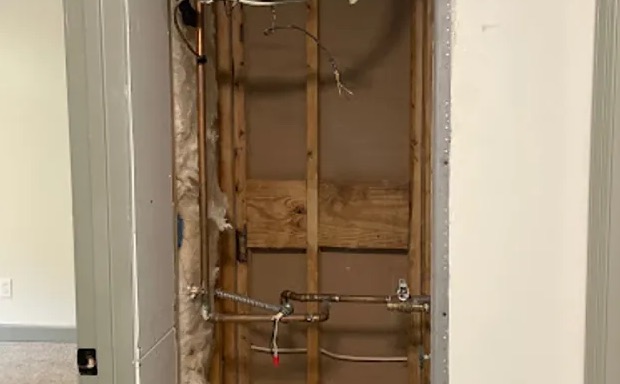
Local Mold Growth from Water Leaks Cleanup for Hillside Historic District Homes
Understanding mold remediation cost factors begins with a proper inspection in Hillside Historic District. The extent of water spread, type of materials affected, and size of the contaminated area all influence the project scope.
Mold growth from water leaks is a common issue for properties in Hillside Historic District and nearby areas like Overlook, Brooklyn and Bucks Hill. The work requires a careful inspection and containment to prevent cross-contamination. Local water damage pros follow set procedures for safety.
Mold Growth from Water Leaks Cleanup Services in Hillside Historic District
Mold Spore HEPA Vacuuming
Detailed HEPA vacuuming addresses residual spores left behind after wet materials are removed. The area is then ready for antimicrobial treatment.
Mold Antimicrobial Application
After cleaning, the pros treat all remaining surfaces with antimicrobial solutions to address root structures. This application is a standard defense against recurrence following water leak mold in Hillside Historic District.
Post-Remediation Drying
Post-remediation drying uses industrial dehumidifiers and air movers to achieve a dry standard. This keeps new mold from growing after the cleanup.
Mold Contained Area Setup
Professional containment involves sealing vents and doorways with sheeting to create a controlled zone. This protects the rest of the home during cleanup.
Post-Remediation Mold Air Testing
Final clearance air testing verifies mold spore counts are acceptable. An independent test may confirm air quality.
Warning Signs You Need Mold Growth from Water Leaks Cleanup
Warped or Soft Drywall
Drywall that feels soft, spongy, or appears warped often harbors significant mold growth from sustained water intrusion.
Damp Basement or Crawlspace
A perpetually damp foundation area promotes widespread mold growth that can spread upstairs after any water leak incident.
High Indoor Humidity Levels
Consistently high humidity above 60% creates an ideal environment for mold growth, especially following a water leak event.
Peeling Paint or Wallpaper
When paint or wallpaper bubbles and peels, it often indicates moisture and mold growth from a water leak behind it.
How Mold Growth from Water Leaks Cleanup Works in Hillside Historic District
Step 1: Source Stop and Assessment
The first action is to confirm the water leak is repaired. Then, the pros map the full extent of damage for a cleanup plan.
Step 2: Contained Area Setup for Safety
Plastic sheeting and negative air pressure seal the remediation zone. This protects your home during cleanup.
Step 3: HEPA Vacuuming and Material Treatment
All surfaces are HEPA vacuumed to capture spores. Then, an antimicrobial solution is applied to address mold from leaking pipe areas and prevent regrowth.
Step 4: Post-Remediation Drying and Documentation
Drying equipment removes remaining moisture. The pros also document the water damage for records and insurance review.
Common Causes of Water Leaks in Hillside Historic District
Burst or Leaking Pipes
A pipe failure inside a wall or ceiling saturates building materials, triggering mold growth cleanup needs within days.
Foundation Cracks and Seepage
Hairline cracks in the foundation allow groundwater to enter basements and crawlspaces, a persistent source for mold.
Clogged or Overflowing Gutters
Gutters that spill over pour water against the foundation and siding, leading to wall seepage and potential mold growth.
Poor Bathroom Ventilation
Shower and bath steam that is not vented condenses on cold walls and grows mold.
Mold Growth from Water Leaks Cleanup for All Property Types in Hillside Historic District
Residential Mold Growth from Water Leaks Cleanup
Homeowners face mold in bathrooms, kitchens, and basements where leaks are common. The pros perform careful affected material removal from drywall and cabinetry, followed by thorough antimicrobial application to prevent regrowth.
Commercial Mold Growth from Water Leaks Cleanup
Offices, schools and stores need mold removed after leaks in ceilings, HVAC systems or plumbing chases. Pros HEPA vacuum spores and dry the area to protect people in the building.
When to Handle Mold Yourself vs. Call Mold Remediation Pros in Hillside Historic District
For a very small, surface-level patch of mold on a non-porous material like tile, you can clean it with a detergent solution. However, if the mold returns or the area is larger than a few square feet, it's time to contact the pros for proper mold growth from water leaks cleanup to address the root moisture issue.
Understanding Mold Growth from Water Leaks Cleanup Pricing in Hillside Historic District
Pricing for water leak mold cleanup depends on the scope. The square footage of mold growth, the depth of contamination, and the required containment procedures all influence the final cost.
Containment Complexity
Barriers that prevent cross-contamination during removal add time and extra material costs.
Antimicrobial Treatment Scope
The number of applications and type of antimicrobials needed to prevent regrowth influence the final service price.
Material Removal Needs
Porous materials like drywall or insulation that cannot be salvaged must be removed, adding to disposal and replacement costs.
Does Insurance Cover Mold Growth from Water Leaks Cleanup?
When filing a claim for mold growth cleanup, proving the water damage was sudden and accidental is key. Insurance does not typically cover mold from ongoing maintenance issues.
Why Choose Local Pros for Mold Growth from Water Leaks Cleanup in Hillside Historic District
HEPA Filtration Vacuuming
Mold spore HEPA vacuuming removes airborne particulates after affected material removal, improving indoor air quality.
Detailed Damage Documentation
Water damage documentation creates a record for personal reference or for potential insurance claim submission.
Comprehensive Mold Inspection
A thorough water leak mold inspection identifies all affected areas, including hidden moisture behind walls or under flooring.
24/7 Mold Growth from Water Leaks Cleanup Response in Hillside Historic District
A water leak can lead to hidden mold in hours. If you suspect mold growth from water damage, contact (475) 242-0613 now. Emergency response is available around the clock from the pros ready to start water leak mold cleanup.
Call Now (475) 242-0613Mold Growth from Water Leaks Cleanup for Properties Throughout Hillside Historic District and Beyond
The places below are also served, and each one has its own page.
- Mold Growth from Water Leaks Cleanup in Overlook
- Mold Growth from Water Leaks Cleanup in Brooklyn
- Mold Growth from Water Leaks Cleanup in Bucks Hill
- Mold Growth from Water Leaks Cleanup in East End
- Mold Growth from Water Leaks Cleanup in North End
- Mold Growth from Water Leaks Cleanup in Bunker Hill
- Mold Growth from Water Leaks Cleanup in Pine Hill
- Mold Growth from Water Leaks Cleanup in Robinwood
Mold Growth from Water Leaks Cleanup Common Questions Answered
What is involved in water leak mold cleanup?
It usually includes inspection, containment, removal of damaged materials, HEPA vacuuming, antimicrobials, drying and air testing.
Why is post-remediation drying important after mold cleanup?
Residual moisture allows mold to regrow. Air movers and dehumidifiers dry building materials to a safe level.
How quickly should I address mold growth from water damage?
Act within 24 to 48 hours. Mold can start growing soon after a leak, so quick action limits the scope and cost.
How does mold spore HEPA vacuuming improve air quality?
HEPA vacuums capture microscopic mold spores and dust from surfaces and the air after material removal, significantly reducing particulate counts and improving the indoor environment.
What does a mold contained area setup prevent?
It creates a physical barrier using plastic sheeting and negative air pressure. It keeps spores from spreading into clean areas of the home.