Waterbury, CT · New Haven County
Attic Water Damage in Waterbury, CTAttic Drying Services & Roof Leak Water Removal
For a storm leak, Attic Water Damage in Waterbury means emergency attic water extraction, roof leak water removal and attic drying services.
Answered 24/7
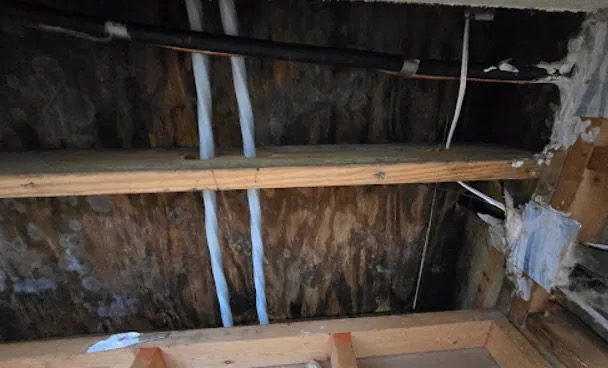
Local Attic Water Damage for Waterbury Homes
Most attic water damage starts at the roof, but it ends up on the ceiling. In Waterbury, a leak around flashing, a vent or damaged shingles can soak insulation and decking for weeks before a stain shows up in the room below.
A storm leak in Waterbury can soak attic insulation in one night. Local restoration specialists serve Waterbury and nearby Brooklyn, Bucks Hill and East End, with help available around the clock.
Detailed Attic Water Damage Solutions
Attic Drying Services
Equipment is placed on boards or platforms in the attic so it can run safely without stressing the ceiling drywall.
Roof Leak Water Removal
Rain that came through damaged shingles, flashing or vents is removed from the attic, and the leak location is marked for the roofer.
Attic Moisture Inspection
Moisture meters and thermal cameras check decking, rafters, insulation and the ceiling below to find every wet area.
Wet Attic Insulation Removal
Insulation that stayed wet for days is removed rather than dried, since it rarely recovers and keeps the ceiling drywall damp.
Ceiling Water Damage Cleanup
Small ceiling stains can often be dried in place and sealed. Sagging, soft or crumbling drywall is replaced.
Signs of Attic Water Damage in Waterbury Homes
Peeling Paint or Wallpaper
Paint that bubbles or peels on upstairs ceilings and walls often has water behind it.
Visible Mold in Attic
Dark spots on roof decking or rafters mean the wood has stayed damp for some time.
Increased Humidity Upstairs
Upstairs rooms that feel clammy even with the AC on may have moisture coming from the attic.
Sagging or Bowed Roof Decking
Roof decking that sags or bows between rafters may be soaked or starting to rot.
How Attic Water Damage Works in Waterbury
Step 1: Source Stop and Water Extraction
A tarp is placed over roof damage or the pipe is shut off, and water in the attic is removed.
Step 2: Removal of Damaged Materials
Ruined insulation and sagging ceiling drywall are removed to stop further damage and open the area to air.
Step 3: Attic Drying
Dehumidifiers and air movers run until wood framing and decking return to normal moisture levels.
Step 4: Cleaning and Odor Removal
Debris is cleared, dust is cleaned from the room below, and musty odors are addressed.
Typical Sources of Attic Moisture Issues
Improperly Sealed Roof Penetrations
Gaps around vents, pipes and antennas that pass through the roof let water in when seals fail.
Attic Appliance Leaks
AC air handlers in the attic overflow when the condensate line clogs or the pan cracks.
Failing Roof Valley or Flashing
Worn flashing around valleys, chimneys and skylights lets water run into the attic.
Burst or Leaking Plumbing Pipes
Supply lines and water heaters in the attic can leak or burst directly onto the ceiling.
Attic Water Damage for Homes and Businesses in Waterbury, CT
Residential Attic Water Damage
At home, attic leaks usually show up as a stain on a bedroom or hallway ceiling. The attic is dried, wet insulation removed and the ceiling below repaired or dried in place.
Commercial Attic Water Damage
In commercial buildings, water above a drop ceiling can soak tiles, wiring and insulation across several rooms. Affected tiles are removed and the space above them is dried.
When Attic Water Removal Requires Local Pros
Never step between attic joists, since the ceiling drywall will not hold your weight. If water is pooling up there, call (475) 242-0613 instead of trying to reach it yourself.
Cost Considerations for Attic Water Damage Work
An attic leak caught after the first storm costs less to fix in Waterbury than one that soaked insulation and decking for a whole season.
Ceiling Repair Needs
Replacing, taping and painting ceiling drywall after drying adds to the total.
Mold Prevention Measures
Antimicrobial treatment of decking and rafters that stayed wet is an added cost.
Duration Before Response
A leak found right away costs less to fix than one that soaked the attic for weeks.
Does Insurance Cover Attic Water Damage?
Coverage for attic water damage depends on the cause of the leak and your policy terms. The pros document the damage and drying, and your insurer decides what is covered.
Advantages of Hiring Local Pros for Attic Water Damage
Advanced Moisture Detection
Moisture meters and thermal cameras find wet insulation, wood and drywall that look dry.
Detailed Documentation
Photos, readings and drying logs are kept to support your insurance claim.
Wet Insulation Handling
Wet insulation is bagged and removed carefully, keeping debris out of the living space.
24/7 Attic Water Damage Response for Waterbury
Ceiling bulging or sagging? Keep everyone out of the room below it and call (475) 242-0613 now for attic water damage in Waterbury.
Call Now (475) 242-0613Providing Attic Water Damage to Surrounding Communities
Nearby areas served for attic water damage include Brooklyn, Bucks Hill and East End, with the same attic inspection and drying process used in Waterbury.
Attic Water Damage Information and Answers
How is ceiling water damage from an attic leak repaired?
Sagging or soft drywall is removed, the cavity is dried, and new drywall is installed, taped and painted once readings are normal.
What is involved in emergency attic water extraction?
Catching active drips, removing pooled water from decking and drywall tops, and starting drying before the ceiling below is ruined.
What equipment is used for attic water removal?
Wet vacs, air movers, dehumidifiers, moisture meters and thermal cameras, plus bags and HEPA vacuums for insulation removal.
What are common signs of poor attic ventilation?
Damp or dark roof decking, rusted nails, musty smells and condensation on the underside of the roof.
Is attic mold prevention always needed after water damage?
Fast drying is always needed. Antimicrobial treatment is added when wood stayed wet long enough to need it.