Milford, CT · New Haven County
Furnace Fire Damage Cleanup in Milford, CTPost-Fire Surface Sanitization & Furnace Soot Removal
Furnace Fire Damage Cleanup for homes in Milford includes furnace fire debris removal, structural soot cleaning and air duct smoke cleaning.
Answered 24/7
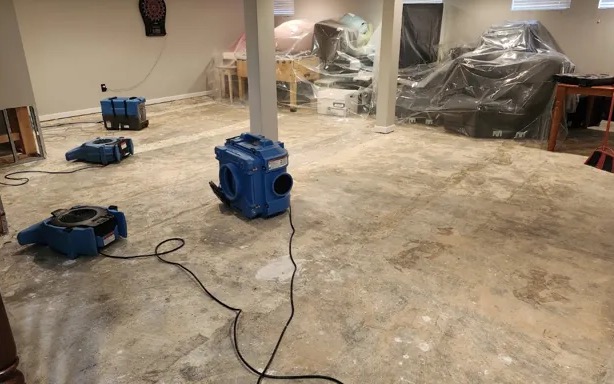
Furnace Fire Damage Cleanup for Homes in Milford
Soot removal from walls in Milford homes requires specific techniques to avoid grinding soot deeper into porous materials like drywall or wood, which could worsen stains.
Furnace fire damage cleanup in Milford and nearby areas like Stratford, West Haven and Shelton addresses heating system failures. Local soot removal experts focus on furnace soot cleanup and smoke odor removal, including air duct cleaning after fire.
Detailed Furnace Fire Damage Cleanup Offerings
Post-Fire Surface Sanitization
Sanitization is the final cleaning phase after a furnace fire, ensuring no harmful residues remain. All affected areas, including those that were wet, are treated with antimicrobial solutions.
Furnace Soot Removal
Furnace soot removal addresses the fine, oily carbon deposits released during a furnace fire. The experts in Milford use specialized cleaning agents to dissolve soot from walls, ceilings and household contents.
Structural Soot Cleaning
Structural soot cleaning in Milford removes visible and hidden deposits that affect air quality. This fundamental step supports long-term recovery. The specialists perform this thorough cleaning.
Air Duct Smoke Cleaning
Air duct smoke cleaning removes soot and odor particles from your home's HVAC system following a furnace fire. The experts use powerful truck-mounted vacuums and rotary brushes for a thorough cleaning.
Smoke Odor Elimination
Eliminating smoke odor requires addressing both the air and porous materials that have absorbed the smell. Specialized equipment like hydroxyl generators break down odor-causing compounds without leaving a residue.
Indicators of Furnace Fire Damage in Milford
Furnace Shows Signs of Overheating
Scorch marks, melted components, or a cracked heat exchanger visually confirm a furnace malfunction requiring furnace explosion cleanup.
Discolored or Stained Furnace Components
Yellow or brown staining on the furnace or nearby equipment is a clear marker of smoke damage from a furnace fire.
Respiratory Irritation After Furnace Use
Coughing or itchy eyes when the heating system runs can be caused by airborne soot particles circulating from a prior furnace fire.
Soot on Personal Belongings
Finding a fine black film on items stored near the furnace confirms the spread of soot from a furnace fire damage event.
How Furnace Fire Damage Cleanup Works in Milford
Step 1: Damage Assessment and Planning
The experts in Milford conduct a thorough assessment to plan the furnace fire damage cleanup. They identify key areas for soot removal and smoke odor elimination, tailoring the approach to the property.
Step 2: Dry Soot and Particulate Removal
Using industry-approved dry methods, the experts remove dry soot and ash during the furnace fire debris removal phase. This dry cleanup prevents soot stains from setting into materials.
Step 3: Wet Cleaning and Deodorizing
For smoke-damaged, washable surfaces, the experts apply specialized cleaning solutions. This phase tackles smoke residue and integrates deodorizing agents for smoke odor removal after furnace fire.
Step 4: Furnace Area Restoration
The last step focuses on the furnace area itself, including furnace soot cleanup and compartment cleaning. The experts ensure the immediate source area is restored, completing the furnace malfunction cleanup.
Frequent Sources of Furnace Fires and Soot
Gas Valve or Line Malfunction
Improper gas pressure or a leaking valve may result in an uneven flame or explosion, requiring extensive furnace fire damage repair.
Dirty or Clogged Burners
Accumulated dirt on burners disrupts the fuel-air mix, creating incomplete combustion that produces excessive soot, coating the furnace and ductwork.
Electrical Short in Furnace Wiring
Spark from frayed wires can ignite dust or insulation inside the furnace cabinet, creating a small fire and smoke odor.
Oil Furnace Nozzle Problems
A clogged or worn nozzle in an oil furnace can spray fuel improperly, causing a flare-up and heavy soot production inside the unit.
Furnace Fire Damage Cleanup for Homes and Businesses
Residential Furnace Fire Damage Cleanup
In residences, furnace fire debris removal targets the furnace room and affected common areas. Post-fire surface sanitization of kitchens and bathrooms occurs alongside smoke odor removal. The experts handle sensitive materials carefully.
Commercial Furnace Fire Damage Cleanup
Commercial furnace fire damage restoration prioritizes safety and compliance. Services include debris removal from mechanical rooms and air duct cleaning after fire. The experts perform structural soot cleaning following IICRC-standard methods.
DIY Furnace Fire Cleanup vs. Professional Furnace Fire Damage Cleanup
For minor soot on glass or metal, dab carefully with a dry chemical sponge. Test first in an inconspicuous spot. Avoid water or all-purpose cleaners. Structural soot cleaning is a job for the pros.
Factors Influencing Furnace Fire Damage Cleanup Cost
Furnace explosion cleanup costs depend on whether structural components were compromised. The experts in Milford assess if furnace fire damage repair is needed alongside the soot and odor removal processes.
Debris Removal Volume
The amount of furnace fire debris removal required, including damaged furnace parts and contaminated materials, impacts disposal and hauling efforts.
Emergency Service Timing
Requiring emergency furnace fire cleanup outside standard business hours may influence service logistics and resource mobilization for professional help.
Content Cleaning Needs
The number and type of belongings affected by soot influence the fire damage content cleaning process, from wipe-down to specialized off-site cleaning.
Does Insurance Cover Furnace Fire Damage Cleanup?
For smoke damage restoration, contact your insurer about coverage. The experts document the scope for smoke odor removal and content cleaning. The insurer uses this to process the claim.
Why Choose Local Soot Removal Experts for Furnace Fire Damage Cleanup in Milford
Detailed Damage Documentation
Comprehensive photo and note documentation of all damage supports a clear and organized insurance claim process for furnace fire damage repair.
Furnace Debris Removal
Safe and complete furnace fire debris removal clears hazardous materials and damaged components, making the area safe for cleanup and assessment.
Content Cleaning Expertise
Specialized processes for fire damage content cleaning can often restore valued belongings affected by soot and smoke, preserving what matters to you.
Emergency Furnace Fire Damage Cleanup Response in Milford, CT
Time is critical after a furnace fire to prevent permanent staining. For immediate furnace soot cleanup assistance in Milford, call (475) 242-0613. The experts are available around the clock to respond to your emergency.
Call Now (475) 242-0613FAQ on Furnace Fire Damage Cleanup Processes
What makes furnace explosion cleanup different?
Furnace explosion cleanup may involve assessing for pressure-related structural damage, widespread soot distribution, and potentially more fragmented debris removal alongside standard fire cleanup procedures.
What happens during the furnace fire damage assessment?
The assessment documents all affected areas, tests materials for soot penetration, checks the HVAC system, and creates a scope of work for cleaning, sanitization, and odor removal.
Why is emergency furnace fire cleanup important?
Emergency fire cleanup responds quickly to prevent acidic soot from causing permanent etching on surfaces and to stop odor from deeply penetrating building materials and belongings.
How quickly does soot cause damage after a furnace fire?
Soot is acidic and can begin etching glass, metals, and appliances within hours. Prompt furnace soot cleanup minimizes this permanent secondary damage.
What is post-fire surface sanitization?
Post-fire surface sanitization involves cleaning and disinfecting all affected areas to address potential health concerns from soot residues, ash, and other contaminants left after a fire.