Lakewood, CT · New Haven County
Mold Remediation Services in Lakewood, CTPost-Flood Mold Remediation & Air Duct Mold Cleaning
After a leak or flood, mold remediation services in Lakewood cover post-flood mold remediation, black mold remediation and mold odor elimination.
Answered 24/7
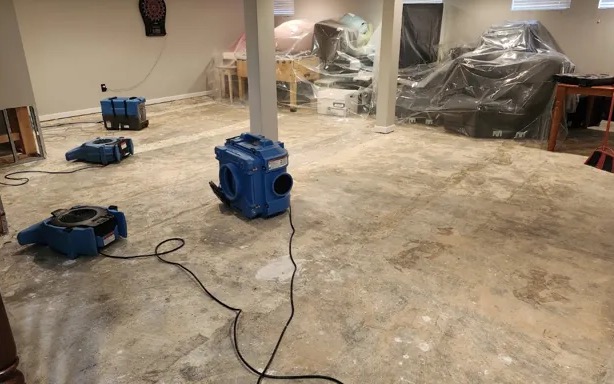
Professional Mold Remediation Services in Lakewood, CT
Mold can cause allergy and breathing symptoms, especially for people with asthma. In Lakewood, visible mold or a musty smell means it is time to find the moisture source.
Local mold removal experts in Lakewood and nearby Overlook, Waterville and Hillside Historic District handle mold in bathrooms, attics, crawl spaces and wall cavities, starting with the moisture source.
Mold Removal Services for Lakewood Properties
Post-Flood Mold Remediation
Mold can start within a day or two after flooding if materials stay wet. The pros remove soaked drywall and flooring, clean the framing and dry the structure.
Air Duct Mold Cleaning
Duct mold cleaning removes buildup from ducts and registers with brushes and HEPA vacuums. Badly affected flexible duct is usually replaced rather than cleaned.
Bathroom Mold Cleanup
Steam and small plumbing leaks make bathrooms a common mold spot. The pros clean surface mold, replace moldy caulk and open walls where a hidden leak has caused damage.
Attic Mold Removal
Attic mold often shows as dark staining on the underside of the roof deck. Affected wood is cleaned, wet insulation is removed and airflow problems are noted for repair.
Crawl Space Mold Abatement
Crawl space mold grows on floor joists and subfloor when the space stays damp. The pros clean or treat the wood and point out the moisture source, such as vents or plumbing leaks.
Warning Signs You Need Mold Remediation Services in Lakewood
Past Water Damage That Was Not Dried
A leak or flood that was mopped up but not dried with equipment can leave moisture in walls and floors, where mold grows later.
Warped Floors or Swollen Trim
Wood floors that cup and trim that swells have absorbed moisture. Mold can grow underneath before anything is visible.
Visible Mold on Walls or Ceilings
Black, green or gray spots on drywall, ceilings or trim are visible mold. Larger patches usually mean more is hidden behind the surface.
Condensation on Windows
Heavy condensation that runs down windows and wets the sills can lead to mold on frames, sills and nearby walls.
How Mold Remediation Services Work in Lakewood
Step 1: Mold Inspection and Testing
An inspection maps where the mold is. Testing may be suggested when mold is suspected but not visible.
Step 2: Protecting the Rest of the Home
Doors and vents near the work area are sealed and air filtration is set up before any removal.
Step 3: Removing Moldy Materials
Porous materials with mold are removed. Hard surfaces such as framing are cleaned rather than replaced.
Step 4: Drying the Structure
Dehumidifiers dry the area so mold does not regrow before walls and floors are rebuilt.
Sources of Moisture Behind Mold
Slow Plumbing Leaks
Drips under sinks, behind toilets and inside walls can go unnoticed for months, keeping wood and drywall wet enough for mold to grow.
Overflowing Gutters
Gutters that overflow dump water next to the foundation, where it can seep into crawl spaces and lower walls.
High Indoor Humidity
When indoor humidity stays high, moisture collects on cool surfaces like windows, closet walls and corners, and mold follows.
AC Condensation Problems
A clogged condensate drain or a cracked drain pan leaks water near the air handler, and mold grows on nearby drywall and ductwork.
Mold Remediation Services for Every Property Type
Residential Mold Remediation Services
Homeowners get an inspection, containment of the moldy area, removal of damaged drywall or flooring and cleaning of the framing behind it.
Commercial Mold Remediation Services
Commercial buildings get the same process at a larger scale, with containment sized to the space and air filtration to protect nearby areas.
Mold Remediation Services vs. DIY: When to Call Mold Removal Experts
Bleach does not fix mold on drywall or wood because the moisture and roots stay in the material. Porous materials with mold usually have to be removed.
Mold Removal Cost Factors
Most of the cost comes from containment, removal of moldy drywall or insulation, cleaning and drying. Rebuilding is usually priced separately.
Location of the Mold
Mold in attics, crawl spaces and inside walls is harder to reach and usually needs more labor than mold on an open wall.
HVAC Involvement
Mold in ducts or the air handler adds cleaning or replacement of duct sections on top of the room work.
Materials Affected
Drywall, insulation and carpet with mold are removed and replaced, while framing and hard surfaces can usually be cleaned.
Does Insurance Cover Mold Remediation Services?
If mold followed a flood, coverage usually depends on your flood policy. Call your insurer early and ask what documentation they need.
What Local Experts Offer
Records for Your Insurer
Photos, readings and a written scope document the mold, the moisture source and the work done.
Clear Scope Before Work Starts
An inspection sets out what will be removed, cleaned and dried before any work begins, so there are no surprises.
Moisture Meters and Thermal Cameras
These tools show wet areas inside walls and under floors, which is where hidden mold usually grows.
24/7 Mold Cleanup After Water Damage in Lakewood
For mold cleanup after a leak in Lakewood, call (475) 242-0613 any time. The experts start with an inspection and moisture readings.
Call Now (475) 242-0613Mold Remediation Services Throughout Lakewood
The places below are also served, and each one has its own page.
- Mold Remediation Services in Overlook
- Mold Remediation Services in Waterville
- Mold Remediation Services in Hillside Historic District
- Mold Remediation Services in Bunker Hill
- Mold Remediation Services in Brooklyn
- Mold Remediation Services in Hopeville
- Mold Remediation Services in Mill Plain
- Mold Remediation Services in Bucks Hill
Your Mold Cleanup Questions Answered
How long does mold remediation take?
Small jobs can take a day or two. Larger areas, plus drying time, can take several days to a week or more.
Do I need mold testing?
Not always. If mold is visible, testing often adds little. It can help when mold is suspected but cannot be seen.
Can mold grow in air ducts?
Yes, especially near the air handler where condensation collects. A musty smell when the air turns on is a common sign.
How soon can mold grow after water damage?
Mold can start within 24 to 48 hours if materials stay wet, which is why drying after a leak or flood matters.
Can I stay home during mold removal?
Often yes, for contained jobs. People with asthma or other breathing problems may want to stay elsewhere during large removals.