Bristol, CT · Hartford County
Full Structural Restoration in Bristol, CTLoad-Bearing Wall Restoration & Structural Integrity Assessment
Full Structural Restoration in Bristol covers structural water damage repair, foundation water restoration and wall framing drying services.
Answered 24/7
What is Full Structural Restoration in Bristol?
In Bristol, water weakens supports over time, so repairs should start early. The local restoration professionals tackle it by implementing a phased plan: initial assessment, aggressive structural drying and dehumidification, and then precise reconstruction of damaged elements.
In Bristol, the work covers foundation repairs and structural drying after water incidents. Homes in nearby places like Bristol Center, Terryville and Plainville can get the same structural wood repairs. The local restoration professionals apply consistent, detailed protocols to every job.
Full Structural Restoration Services in Bristol
Load-Bearing Wall Restoration
Repairs return the wall to its original load capacity. Experts inspect for twisting or bowing in structural members. Repair can include adding steel brackets or replacing frame sections.
Structural Integrity Assessment
In Bristol, this assessment helps homeowners understand the situation. The pros document the extent of the damage and provide a clear report to support next steps.
Structural Water Damage Repair
Hidden framing gets wet when water runs into walls and floors. Pros use moisture meters and thermal imaging to find it, then dry it in place.
Structural Moisture Removal
The professionals evaluate load-bearing components for warping, decay, or mold growth. Compromised sections are carefully remediated or reconstructed. This work is foundational to any full structural restoration project.
Floor Joist Repair Services
Floor joist repair services address the horizontal supports under floors. Water-damaged joists can sag or become unsafe. Repairs may involve sistering new joists or applying epoxy.
Signs Your Bristol Property Needs Structural Repair
Doors and Windows Sticking
Doors and windows that stick or won't close properly often mean the structural wood framing has swollen.
Cracks in Load-Bearing Walls
New or expanding cracks in foundation walls or load-bearing walls signal serious structural stress from moisture saturation.
Floor Joist Sponginess
Soft or spongy spots when walking across floors reveal compromised floor joist repair beneath.
Visible Mold on Structural Wood
Mold growth on studs, joists, or beams shows prolonged moisture that weakens the building structure repair.
How Full Structural Restoration Works in Bristol
Step 1: Detailed Moisture Mapping
The specialists use thermal imaging and moisture meters to create a precise map of all wet structural components needing drying.
Step 2: Aggressive Structural Drying
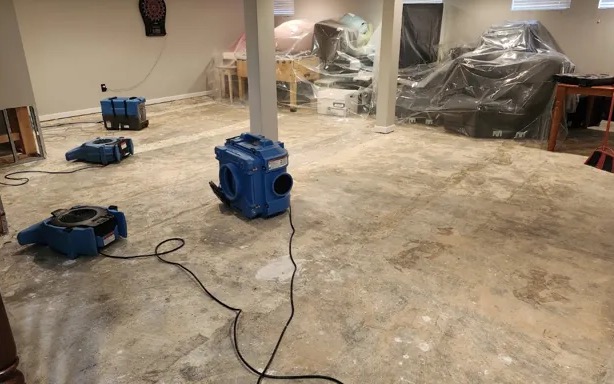
An array of desiccant and LGR dehumidifiers is deployed for structural drying and dehumidification of enclosed spaces like wall and floor cavities.
Step 3: Load-Bearing Component Evaluation
Each load-bearing wall, beam, and column is individually evaluated for strength loss to guide specific load-bearing wall restoration work.
Step 4: Repair and Reinforcement Execution
Necessary repairs, from foundation water restoration to sistering joists, are completed using IICRC-standard methods to finalize the structural restoration.
Common Causes of Structural Water Damage in Bristol
Sewage Backup or Clean Water Infiltration
Sewer backups or sump pump failures flood basements, damaging structural posts and foundational elements.
Foundation Cracks and Hydrostatic Pressure
Cracked foundations permit groundwater intrusion, a primary cause for foundation water restoration work. The damage needs drying and repair before it spreads.
Firefighting Water After a Blaze
The substantial water used to extinguish fires soaks structural members, demanding post-fire structural drying methods.
Roof Leaks Over Extended Periods
Chronic roof leaks allow water to drip into attics and walls, slowly degrading structural framing integrity.
Full Structural Restoration for Bristol Residences and Stores
Residential Full Structural Restoration
For homes, foundation water restoration addresses cracks and seepage. The professionals in Bristol dry the area and add exterior or interior drainage to keep water out.
Commercial Full Structural Restoration
For commercial properties, wall framing drying services protect inventory and equipment. The professionals use targeted air movers and dehumidifiers to dry wall cavities in offices or labs without damaging sensitive contents.
The Limits of DIY for Full Structural Restoration in Bristol
Stop the water by shutting the main valve. After that, stay out of rooms with badly sagging ceilings or sloping floors and have the professionals check the structure.
Cost Considerations for Full Structural Restoration in Bristol
The total cost depends on the size of the affected area, the materials involved and how long the structure takes to dry.
Local restoration professionals Labor Rates
The prevailing rates for the specialists in the Connecticut area are a component of the final service estimate.
Scope of Deconstruction
The amount of drywall, flooring, or insulation that must be removed to access and dry structural elements influences the project's labor intensity.
Required Drying Time
Structural drying and dehumidification processes must run until materials reach a specific moisture content, affecting equipment rental duration and energy use.
Does Insurance Cover Full Structural Restoration?
Whether insurance covers structural drying and dehumidification hinges on the homeowner's policy. The professionals provide detailed documentation of the structural damage assessment. Homeowners must confirm specific coverage for foundation restoration services directly with their insurance company.
Benefits of Local Professionals for Full Structural Restoration in Bristol
IICRC-Standard Structural Drying
Industry drying standards make sure no hidden moisture is left in framing and joists.
Comprehensive Damage Assessment
A structural assessment maps every affected area and sets the repair plan from the start.
Focused Load-Bearing Expertise
Load-bearing walls are dried and repaired so they support the home safely.
24/7 Full Structural Restoration for Bristol Emergencies
A compromised load-bearing wall or sagging floor joist is a serious safety issue. Contact the experts for emergency structural drying and dehumidification at (475) 242-0613, available day or night.
Call Now (475) 242-0613Full Structural Restoration in Bristol and Other Areas Served
Each place listed below has its own page with local details.
- Full Structural Restoration in Terryville
- Full Structural Restoration in Plainville
- Full Structural Restoration in Wolcott
- Full Structural Restoration in Plymouth
- Full Structural Restoration in Bethlehem Village
- Full Structural Restoration in Southbury
- Full Structural Restoration in Cheshire
- Full Structural Restoration in Cheshire Village
Frequently Asked Questions About Full Structural Restoration
When is floor joist repair necessary?
Repair is needed when joists are warped, sagging, or have sustained prolonged wetting that compromises their strength. Sistering new joists alongside damaged ones is a common repair method.
How are different structural drying methods selected?
The selection is based on the materials involved, the extent of saturation, and the construction type. For example, open-wall drying may be chosen for severe wall framing saturation.
Can water-damaged load-bearing walls be saved?
Often yes, through professional load-bearing wall restoration involving careful drying and sistering new studs to damaged ones. A structural damage assessment determines if full replacement is necessary.
What is involved in full structural restoration?
The process includes a structural integrity assessment, industrial drying and dehumidification of framing and joists, and the repair or replacement of compromised load-bearing components to restore safety.
What happens during wall framing drying services?
Drywall and insulation are removed to expose the wood studs. High-velocity air movers and dehumidifiers then create airflow to evaporate moisture from the lumber until it is dry.