Waterbury, CT · New Haven County
Wet Insulation Removal in Waterbury, CTWater Damaged Insulation Replacement & Roof Leak Water Removal
Emergency Wet Insulation Removal for Waterbury includes roof leak water removal, attic drying, and water damaged insulation replacement.
Answered 24/7
Get Help with Wet Insulation Removal in Waterbury
Attic mold prevention is essential after water damage in Waterbury to stop spore growth. Water extraction experts implement drying protocols and antimicrobial treatments to create a hostile environment for mold.
Attic leak repair and water extraction are essential for home integrity in Waterbury and communities like Brooklyn, Bucks Hill and East End. The pros handle moisture inspection to insulation replacement, following IICRC-standard methods.
Complete Wet Insulation Removal Solutions for Waterbury
Water Damaged Insulation Replacement
Choosing the right insulation replacement improves air quality and thermal performance. The pros install new material to manufacturer specifications for a uniform depth and density.
Roof Leak Water Removal
Removing water from a roof leak involves accessing the attic and tracing the path. The pros extract moisture from insulation batts and ceiling vapor barriers.
Attic Drying
Without professional drying, hidden attic moisture persists. The pros execute a drying plan for the attic's layout. They lower humidity to stop condensation on cool surfaces.
Emergency Attic Water Extraction
When water actively enters an attic, emergency extraction is critical. The pros handle significant volumes, even in confined spaces, to reduce collapse and mold risks.
Attic Water Damage Cleanup
After water intrusion, attics need specialized cleanup. The pros address standing water and absorbed moisture in wood and drywall, including surface decontamination.
When to Consider Wet Insulation Removal for Your Waterbury Home
Rotting Wood or Decking
Soft, spongy, or discolored roof decking or attic framing wood is a serious sign of prolonged water damage and potential structural issues.
Sagging or Damp Drywall
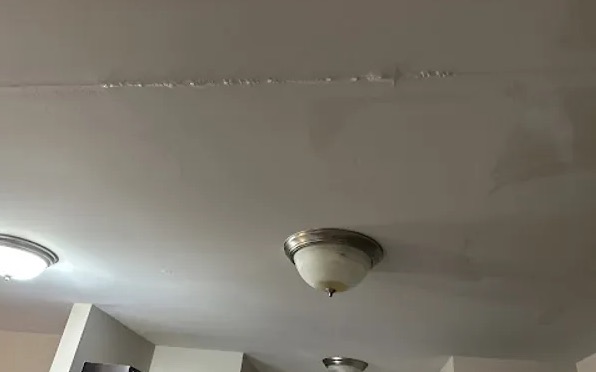
Soft, sagging, or damp drywall on ceilings is a clear sign of water intrusion and compromised insulation that needs professional water extraction services.
Increased Energy Bills
Unexplained spikes in heating or cooling costs can point to wet insulation losing its R-value, making attic drying services an urgent need.
Ice Dams in Cold Weather
In cold climates, ice dams forming at roof edges can force meltwater under shingles, leading to hidden attic leaks and water damaged insulation.
How Wet Insulation Removal Works in Waterbury
Step 1: Initial Safety and Extraction
Ensuring the attic is safe to enter, the experts begin removing water, focusing on emergency water removal to limit secondary damage.
Step 2: Detailed Damage Documentation
Photos and moisture readings are taken throughout the attic to document the extent of water damaged insulation for your records and insurance claim process.
Step 3: Contaminated Material Removal
All insulation compromised by water is removed, along with any damaged ceiling materials. This wet insulation removal is performed with care to avoid cross-contamination.
Step 4: Drying and Mold Prevention
High-volume drying equipment runs continuously. This phase of attic drying and dehumidification is monitored to ensure a dry environment hostile to mold growth.
Why Wet Insulation Removal is Needed in Waterbury
HVAC Condensate Line Issues
A clogged or disconnected air conditioner condensate drain line can overflow, dripping water onto attic insulation and creating a moisture problem.
Burst or Leaking Pipes
Frozen or failing plumbing lines running through attic spaces can burst, causing sudden flooding that requires emergency water removal services.
Appliance Malfunctions
A leaking water heater or washer supply line located in an attic can release large volumes of water, causing flooded attic cleanup.
Clogged or Damaged Gutters
Gutters overflowing due to debris can allow water to back up under roof edges, leading to attic leaks and wet insulation removal.
Domestic and Business Wet Insulation Removal Serving Waterbury
Residential Wet Insulation Removal
A home's attic is a primary defense against energy loss. When insulation gets wet, the pros conduct moisture inspection and removal, ensuring complete attic drying services.
Commercial Wet Insulation Removal
Wet insulation in commercial settings loses effectiveness and may need replacement. Professional water damaged insulation replacement helps restore the building envelope after a leak.
The Risks of DIY Wet Insulation Removal in Waterbury, CT
Using a wet-dry vacuum on attic water is possible if access is safe. Hidden moisture requires thermal imaging and professional dehumidifiers. For thorough cleanup, rely on the pros.
What Affects Wet Insulation Removal Pricing in Waterbury
Ceiling water damage repair with wet insulation removal in Waterbury includes drywall work, painting, and potential structural assessment. The total reflects a complete restoration.
Insulation Material Type
Removing dense, water-logged cellulose or fiberglass batts is more labor-intensive than loose-fill materials. Replacement material costs also vary significantly by type.
Drying Time Required
A longer drying period means more days of running commercial dehumidifiers and air movers, which increases the overall cost for equipment rental and energy use.
Additional Repairs Needed
If the water damage extends to ceiling drywall or roof sheathing, those repair costs are separate from the insulation removal and replacement work itself.
Does Insurance Cover Wet Insulation Removal?
Insurance for attic mold prevention is complex, as policies often limit mold claims. If mold comes from a covered loss, some remediation may apply. The pros document the moisture source.
Benefits of Local Restoration Pros for Wet Insulation Removal in Waterbury, CT
Clear Process Communication
You are kept informed at each stage, from initial water extraction to final drying verification. This provides clarity on the restoration timeline and goals.
IICRC-Standard Drying Methods
The pros employ industry-approved drying protocols. This ensures moisture is removed from structural materials effectively, helping to prevent secondary damage like mold.
Structural Assessment Insight
During attic water damage cleanup, pros can note issues with roof sheathing or framing. This information can be useful for planning subsequent repairs.
Emergency Wet Insulation Removal Available 24/7 in Waterbury, CT
Water dripping through a ceiling signals urgent attic water damage. Delay allows moisture to compromise structural wood and insulation. For emergency intervention, call (475) 242-0613 anytime for help.
Call Now (475) 242-0613Wet Insulation Removal Serving Waterbury and Nearby Communities
Emergency attic water extraction services are available throughout Waterbury. Early action mitigates damage to insulation and building materials. The pros also respond to calls from nearby locales such as Brooklyn, Bucks Hill and East End.
Frequently Asked Questions About Wet Insulation Removal
What follows after wet insulation removal?
After removal and confirmed drying, the attic is prepared for new insulation. Any necessary ceiling repairs or roof leak fixes should be completed first.
When is water damaged insulation replacement necessary?
Replacement is needed for insulation that is soaked, compressed, or moldy. Even if the surface is dry, the core may hold damaging moisture.
How long does the attic drying process take?
Drying time varies with the extent of water intrusion, humidity levels, and attic ventilation. Typically, it takes between two to five days of continuous equipment operation to achieve dry standards.
What is involved in wet insulation removal?
The process involves safely extracting water-logged insulation from attic cavities, followed by thorough structural drying using industrial equipment. All removed material is contained and disposed of properly.
What type of insulation is used for replacement?
Replacement options include fiberglass batts, blown-in cellulose, or spray foam. The choice depends on your attic's design, local climate factors, and your budget for materials and installation.