Prospect, CT · New Haven County
Whole-Building Fire & Smoke Odor Removal in Prospect, CTFire Damaged Material Removal & Ozone Treatment For Smoke Odor
Whole-Building Fire & Smoke Odor Removal in Prospect pairs whole-house air scrubbing, HVAC duct smoke cleaning, and fire damaged material removal.
Answered 24/7
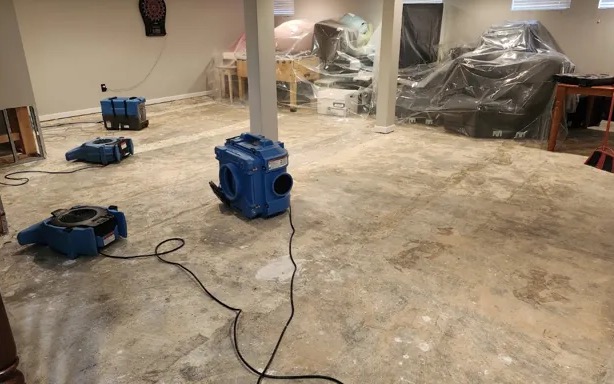
Total Building Deodorization in Prospect, CT
Smoke travels through wall cavities, ducts, and attics, leaving residue far from the fire. Treating only the rooms that smell worst often lets odor come back later.
For homes in Prospect and nearby East Mountain, Hopeville and Cheshire, treating the air alone is not enough because odor binds to surfaces. Local pros clean, deodorize, and then seal porous materials.
Advanced Fire Odor Removal Techniques
Fire Damaged Material Removal
Removing porous burned items lowers the odor load, which makes later cleaning and sealing work much better.
Ozone Treatment for Smoke Odor
Local fire restoration professionals in Prospect treat empty, closed spaces with ozone, which reaches every corner and breaks down acrid smoke odor.
Surface Sealing for Residual Odor
In Prospect, odor-blocking primers go on cleaned but porous surfaces to give a neutral base for new paint.
Whole-House Air Scrubbing
The professionals run scrubbers through the cleanup so soot stirred up by cleaning is caught instead of drifting back onto fabrics.
Thermal Fogging Deodorization
The fog travels the same way smoke did, into wood, drywall, and insulation, which makes it useful for greasy kitchen fire odors.
Warning Signs of Persistent Smoke Odor
Smoke Odor in Closed Cabinets
Items inside closed cabinets that smell of smoke show the odor has passed through gaps and seals throughout the house.
Metallic or Chemical Odor Present
A sharp chemical or metallic smell usually comes from burned plastics or synthetics and needs stronger deodorizing than cleaning alone.
Smell Emanates From HVAC Vents
A smoky smell coming from vents means the HVAC system is carrying odor from the ducts into every room.
Odor Returns After Opening Windows
When airing out the house does not clear the smell, smoke odor has worked its way into walls, floors, or furniture.
How Whole-Building Fire & Smoke Odor Removal Works in Prospect
Step 1: Assessment and Containment
Pros check how far smoke spread and set up plastic barriers so odor and soot do not reach clean rooms.
Step 2: Whole-House Air Scrubbing
Air scrubbers with HEPA and carbon filters run continuously to pull soot and odor particles out of the air.
Step 3: Thermal Fogging Deodorization
A heated deodorizing fog is released so it reaches into porous materials and breaks down odor at the source.
Step 4: Surface Cleaning and Sealing
Surfaces are cleaned in detail, then porous ones are sealed with odor-blocking primer before repainting.
Common Causes of Persistent Fire Odor
Incomplete Post-Fire Cleaning
Wiping and vacuuming after a fire often misses fine smoke particles lodged in porous surfaces and floating in the air.
Secondary Water Damage
Water used to fight the fire can spread soot into new areas and carry odor into floors and wall cavities.
Absorption Into Soft Furnishings
Couches, carpets, and drapes trap smoke odor and release it slowly for weeks after the fire.
Contaminated HVAC Ductwork
An HVAC system running during a fire pulls smoky air into the ducts and coats their insides with soot.
Whole-Building Deodorization for Prospect Residences and Offices
Residential Whole-Building Fire & Smoke Odor Removal
In homes, pros combine air scrubbing with ozone treatment suited to household materials, and plan the work so the family can move back in sooner.
Commercial Whole-Building Fire & Smoke Odor Removal
Office buildings often have long, complex duct runs. Pros remove burned materials, clean the ducts zone by zone, and scrub the air on each floor.
Professional Whole-Building Fire & Smoke Odor Removal vs. DIY Sprays
Photograph the damage before cleaning or moving anything, and list affected belongings. Share the photos with your insurer, then leave deodorizing of walls and contents to pros.
The Value of Complete Odor Elimination
Labor for removing burned materials and the amount of soot to lift from walls and fabrics both affect the final price.
HVAC System Contamination
Cleaning ducts and HVAC parts adds equipment time and access work to the job.
Deodorization Method Required
Thermal fogging and ozone treatment use different equipment, and some jobs need both methods.
Severity of Smoke Penetration
Heavy smoke residue needs more cleaning passes and repeat treatments than light surface soot does.
Does Insurance Cover Whole-Building Fire & Smoke Odor Removal?
Property owners in Prospect should ask their insurer whether odor treatment, including ozone, is covered under their homeowner or commercial policy.
Selecting the Right Fire Restoration Professionals for Your Project
24/7 Emergency Response
Smoke odor sets into materials over time, so starting quickly limits how deep it soaks in.
IICRC-Standard Deodorization Methods
Pros follow established smoke odor protocols, treating odor at its source instead of covering it with fragrance.
Comprehensive Odor Attack Plan
Air scrubbing, fogging, and sealing together treat both airborne odor and odor held inside materials.
24/7 Emergency Whole-Building Fire & Smoke Odor Removal Response
Odors set quickly after a fire, so an early start matters. Call (475) 242-0613 day or night for an assessment and first steps to contain the smell.
Call Now (475) 242-0613Areas Served for Whole-Building Fire & Smoke Odor Removal
Each place listed below has its own page with local details.
- Whole-Building Fire & Smoke Odor Removal in East Mountain
- Whole-Building Fire & Smoke Odor Removal in Hopeville
- Whole-Building Fire & Smoke Odor Removal in Cheshire
- Whole-Building Fire & Smoke Odor Removal in Mill Plain
- Whole-Building Fire & Smoke Odor Removal in Naugatuck
- Whole-Building Fire & Smoke Odor Removal in Watertown
- Whole-Building Fire & Smoke Odor Removal in Wolcott
- Whole-Building Fire & Smoke Odor Removal in Oakville
Frequently Asked Questions About Whole-Building Fire & Smoke Odor Removal
How does thermal fogging deodorization work?
A heated deodorant is turned into a fine fog that travels into porous materials and breaks down odor molecules where cleaning cannot reach.
Are personal belongings safe during ozone treatment?
People, pets, and plants must stay out during treatment. Most belongings can stay, though pros may remove items made of rubber or other sensitive materials.
What materials typically require fire damaged material removal?
Charred wood, melted plastics, contaminated insulation, and anything that cannot be cleaned or is unsafe are removed and disposed of.
What happens during content decontamination and cleaning?
Belongings are listed, cleaned with methods suited to each material, and often deodorized so they can be kept instead of discarded.
Why is HVAC duct smoke cleaning necessary?
Soot in the ducts spreads odor every time the system runs. Cleaning the ducts stops that cycle so treated rooms stay fresh.