Wolcott, CT · New Haven County
Whole-Building Fire & Smoke Odor Removal in Wolcott, CTSurface Sealing For Residual Odor & Ozone Treatment For Smoke Odor
Whole-Building Fire & Smoke Odor Removal in Wolcott pairs whole-house air scrubbing, HVAC duct smoke cleaning, and fire damaged material removal.
Answered 24/7
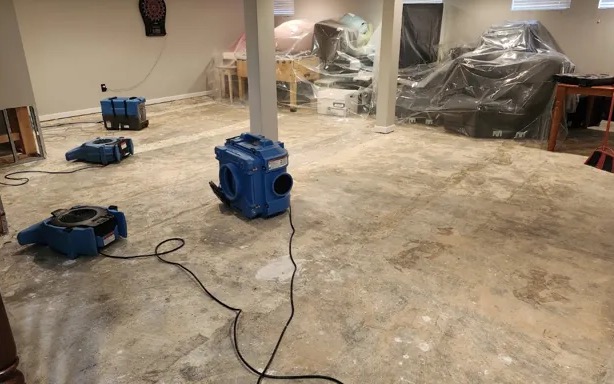
Professional Whole-Building Fire & Smoke Odor Removal in Wolcott, CT
A lingering fire smell means residue is still in the building. Fans and air fresheners rarely touch odor that has soaked into walls, floors, and furniture.
For homes in Wolcott and nearby Lakewood, Waterville and Mill Plain, treating the air alone is not enough because odor binds to surfaces. Local pros clean, deodorize, and then seal porous materials.
Comprehensive Whole-Building Fire & Smoke Odor Removal Services
Surface Sealing for Residual Odor
Exposed studs and subfloors get a sealant that holds in remaining odor molecules before walls and floors are rebuilt.
Ozone Treatment for Smoke Odor
Local fire restoration professionals in Wolcott treat empty, closed spaces with ozone, which reaches every corner and breaks down acrid smoke odor.
Fire Damaged Material Removal
In Wolcott, damaged flooring and framing are taken out before deodorizing, so treatment is not wasted on materials that will be replaced.
Electrostatic Soot Removal
Removing dry soot this way keeps it from being ground into surfaces, so hard surfaces come clean throughout the home.
Thermal Fogging Deodorization
A heated deodorant is released as a fine fog that reaches into wall cavities and ceilings, where it breaks down odor molecules.
How to Tell If You Need Whole-Building Fire & Smoke Odor Removal
Metallic or Chemical Odor Present
A sharp chemical or metallic smell usually comes from burned plastics or synthetics and needs stronger deodorizing than cleaning alone.
Smell Emanates From HVAC Vents
A smoky smell coming from vents means the HVAC system is carrying odor from the ducts into every room.
Persistent Smoky Odor in Rooms
A fire smell that stays in several rooms after cleaning means odor has soaked into the building, not just the surfaces.
Smoke Odor in Closed Cabinets
Items inside closed cabinets that smell of smoke show the odor has passed through gaps and seals throughout the house.
How Whole-Building Fire & Smoke Odor Removal Works in Wolcott
Step 1: Source Removal and Cleaning
Burned materials are removed first, and electrostatic cleaning lifts soot from the walls and ceilings that remain.
Step 2: HVAC Duct Smoke Cleaning
The ductwork and air handler are cleaned so the HVAC system stops moving smoky air through the building.
Step 3: Ozone Treatment for Smoke Odor
Ozone generators run in the closed, empty building to break down the odor compounds that remain.
Step 4: Final Air Quality Verification
Pros check the building for any remaining smoke odor before it is reoccupied and the job is closed out.
Common Causes of Persistent Fire Odor
Contaminated HVAC Ductwork
An HVAC system running during a fire pulls smoky air into the ducts and coats their insides with soot.
Inadequate Ventilation During Fire
With windows and doors closed during a fire, smoke stays concentrated indoors and soaks deeper into materials.
Burning of Synthetic Materials
Burning furniture and plastics produce thick, oily smoke that leaves a sticky, strong-smelling residue on every surface.
Thermal Movement of Odor Particles
Heat from a fire pushes smoke and odor into small cracks and gaps throughout the structure.
Whole-Building Fire & Smoke Odor Removal for Homes and Businesses
Residential Whole-Building Fire & Smoke Odor Removal
In homes, smoke odor in the HVAC system reaches every room. Pros clean the ducts, use electrostatic soot removal, and treat with ozone while the family is out.
Commercial Whole-Building Fire & Smoke Odor Removal
Commercial buildings have large air volumes to treat. Pros use industrial equipment for air scrubbing, removal of burned material, and sealing across whole floors.
The Limits of DIY Fire Odor Elimination
Photograph the damage before cleaning or moving anything, and list affected belongings. Share the photos with your insurer, then leave deodorizing of walls and contents to pros.
Factors Affecting Whole-Building Fire & Smoke Odor Removal Expenses
Labor for removing burned materials and the amount of soot to lift from walls and fabrics both affect the final price.
Severity of Smoke Penetration
Heavy smoke residue needs more cleaning passes and repeat treatments than light surface soot does.
Affected Material Types
Porous materials like drywall and upholstery often need special treatment or removal, which adds work.
Building Square Footage
Larger buildings need more labor time and more deodorizing solution to cover every room.
Does Insurance Cover Whole-Building Fire & Smoke Odor Removal?
Property owners in Wolcott should ask their insurer whether odor treatment, including ozone, is covered under their homeowner or commercial policy.
Selecting the Right Fire Restoration Professionals for Your Project
Thorough Soot Removal
Electrostatic cleaning removes fine soot from surfaces, which has to happen before deodorizing can work.
Specialized Odor Removal Equipment
Ozone generators, thermal foggers, and HEPA scrubbers are built for odor work that household tools cannot do.
Content Salvage Focus
Belongings are cleaned and deodorized so items that might otherwise be thrown out can often be kept.
24/7 Emergency Whole-Building Fire & Smoke Odor Removal Response
Early containment limits the spread of soot and odor through the building. Call (475) 242-0613 24/7 if your property needs help after a fire.
Call Now (475) 242-0613Areas Served for Whole-Building Fire & Smoke Odor Removal
Each place listed below has its own page with local details.
- Whole-Building Fire & Smoke Odor Removal in Lakewood
- Whole-Building Fire & Smoke Odor Removal in Waterville
- Whole-Building Fire & Smoke Odor Removal in Mill Plain
- Whole-Building Fire & Smoke Odor Removal in Overlook
- Whole-Building Fire & Smoke Odor Removal in Hillside Historic District
- Whole-Building Fire & Smoke Odor Removal in Naugatuck
- Whole-Building Fire & Smoke Odor Removal in Prospect
- Whole-Building Fire & Smoke Odor Removal in Watertown
Common Questions on Fire Odor Removal
How is success measured in fire smoke odor elimination?
Pros check each room for remaining smoke odor after treatment and may use particle counters to confirm the air is clean.
When is surface sealing for residual odor used?
Sealers go on porous surfaces like concrete or framing as a final step, holding in any remaining odor molecules before rebuilding.
Can ozone treatment remove strong smoke smells?
Ozone generators release O3, which breaks apart smoke odor compounds in the air and on porous surfaces when used in an empty building.
What happens during content decontamination and cleaning?
Belongings are listed, cleaned with methods suited to each material, and often deodorized so they can be kept instead of discarded.
Can fire smells come back after treatment?
They can if treatment is incomplete. Cleaning the ducts and sealing porous surfaces keeps odor from coming back after the work.