Waterville, CT · New Haven County
Whole-Building Fire & Smoke Odor Removal in Waterville, CTHVAC Duct Smoke Cleaning & Thermal Fogging Deodorization
Whole-Building Fire & Smoke Odor Removal in Waterville pairs whole-house air scrubbing, HVAC duct smoke cleaning, and fire damaged material removal.
Answered 24/7
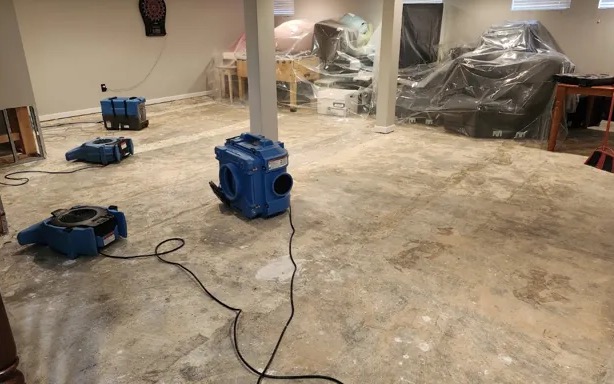
Total Building Deodorization in Waterville, CT
After a fire, smoke odor soaks into drywall, wood, fabric, and the air itself. Whole-building deodorization specialists use fogging and ozone to break down odor at its source instead of covering it.
Homes in Waterville and nearby areas like Lakewood, Bunker Hill and Overlook share building styles that affect how smoke spreads through attics and walls. Local smoke odor elimination experts fog and ozone-treat the materials found in these homes.
Advanced Fire Odor Removal Techniques
HVAC Duct Smoke Cleaning
After a fire in Waterville, the duct system is cleaned with vacuum equipment and agitation tools before it is used again.
Thermal Fogging Deodorization
The fog travels the same way smoke did, into wood, drywall, and insulation, which makes it useful for greasy kitchen fire odors.
Ozone Treatment for Smoke Odor
The specialists in Waterville treat empty, closed spaces with ozone, which reaches every corner and breaks down acrid smoke odor.
Whole-House Air Scrubbing
For properties in the Waterville community in Waterbury, scrubbers can run under negative pressure, drawing smoky air through several filter stages and out of the building.
Surface Sealing for Residual Odor
After cleaning, the specialists seal framing, subfloors, and concrete with an odor-blocking coating so trace odor stays locked in.
Indicators That DIY Odor Removal Has Failed
Odor Stronger on Humid Days
A smoke smell that gets stronger on damp days means odor is trapped in porous materials and released when moisture rises.
Soot in Electrical Outlets
Fine soot inside outlets and behind switch plates shows smoke reached into wall cavities, not just room surfaces.
Discolored or Stained Fabrics
Yellowed or grayed curtains, upholstery, or clothing have absorbed smoke and usually need special cleaning to lose the odor.
Odor Returns After Opening Windows
When airing out the house does not clear the smell, smoke odor has worked its way into walls, floors, or furniture.
How Whole-Building Fire & Smoke Odor Removal Works in Waterville
Step 1: Source Removal and Cleaning
Burned materials are removed first, and electrostatic cleaning lifts soot from the walls and ceilings that remain.
Step 2: HVAC Duct Smoke Cleaning
The ductwork and air handler are cleaned so the HVAC system stops moving smoky air through the building.
Step 3: Ozone Treatment for Smoke Odor
Ozone generators run in the closed, empty building to break down the odor compounds that remain.
Step 4: Final Air Quality Verification
Pros check the building for any remaining smoke odor before it is reoccupied and the job is closed out.
What Makes Fire Odor So Difficult to Remove
Incomplete Post-Fire Cleaning
Wiping and vacuuming after a fire often misses fine smoke particles lodged in porous surfaces and floating in the air.
Absorption Into Soft Furnishings
Couches, carpets, and drapes trap smoke odor and release it slowly for weeks after the fire.
Contaminated HVAC Ductwork
An HVAC system running during a fire pulls smoky air into the ducts and coats their insides with soot.
Burning of Synthetic Materials
Burning furniture and plastics produce thick, oily smoke that leaves a sticky, strong-smelling residue on every surface.
Residential & Commercial Whole-Building Fire & Smoke Odor Removal in Waterville
Residential Whole-Building Fire & Smoke Odor Removal
In homes, smoke odor in the HVAC system reaches every room. Pros clean the ducts, use electrostatic soot removal, and treat with ozone while the family is out.
Commercial Whole-Building Fire & Smoke Odor Removal
Commercial buildings have large air volumes to treat. Pros use industrial equipment for air scrubbing, removal of burned material, and sealing across whole floors.
Professional Whole-Building Fire & Smoke Odor Removal vs. DIY Sprays
Lift loose soot with a dry chemical sponge or HEPA vacuum instead of wiping it. Wash fabrics that can be washed. If the smell returns after cleaning, call the experts.
Factors Affecting Whole-Building Fire & Smoke Odor Removal Expenses
Duct cleaning and content cleaning add to the scope and the price when the HVAC system and belongings also hold odor.
Severity of Smoke Penetration
Heavy smoke residue needs more cleaning passes and repeat treatments than light surface soot does.
Building Square Footage
Larger buildings need more labor time and more deodorizing solution to cover every room.
Content Cleaning Scope
The number and type of belongings to clean, and whether they go off-site, affect time and cost.
Does Insurance Cover Whole-Building Fire & Smoke Odor Removal?
Coverage depends on your policy and the cause of the fire. The specialists document the damage with photos and notes; confirm coverage directly with your insurance provider.
The Advantage of Local Fire Odor Specialists
Residual Odor Prevention
Sealing porous surfaces locks in trace odor that cleaning misses, so it does not return after repairs.
24/7 Emergency Response
Smoke odor sets into materials over time, so starting quickly limits how deep it soaks in.
Content Salvage Focus
Belongings are cleaned and deodorized so items that might otherwise be thrown out can often be kept.
24/7 Fire Odor Removal Assistance
Early containment limits the spread of soot and odor through the building. Call (475) 242-0613 24/7 if your property needs help after a fire.
Call Now (475) 242-0613Areas Served for Whole-Building Fire & Smoke Odor Removal
Each place listed below has its own page with local details.
- Whole-Building Fire & Smoke Odor Removal in Lakewood
- Whole-Building Fire & Smoke Odor Removal in Bunker Hill
- Whole-Building Fire & Smoke Odor Removal in Overlook
- Whole-Building Fire & Smoke Odor Removal in Oakville
- Whole-Building Fire & Smoke Odor Removal in Hillside Historic District
- Whole-Building Fire & Smoke Odor Removal in Hopeville
- Whole-Building Fire & Smoke Odor Removal in Mill Plain
- Whole-Building Fire & Smoke Odor Removal in Brooklyn
Frequently Asked Questions About Whole-Building Fire & Smoke Odor Removal
What is the first step in smoke damage cleanup?
Pros assess the damage, then remove burned debris and soot-covered materials so deep cleaning can begin.
How long does fire odor remediation usually take?
It depends on severity, from a few days for a small kitchen fire to several weeks for smoke through a whole building.
When is surface sealing for residual odor used?
Sealers go on porous surfaces like concrete or framing as a final step, holding in any remaining odor molecules before rebuilding.
Are personal belongings safe during ozone treatment?
People, pets, and plants must stay out during treatment. Most belongings can stay, though pros may remove items made of rubber or other sensitive materials.
What is whole-building fire and smoke odor removal?
It is a process that removes smoke smell from every part of a structure, using air scrubbing, fogging, and duct cleaning to treat air and materials.