Robinwood, CT · New Haven County
AC Fire Restoration in Robinwood, CTFire Damaged Ductwork Cleaning & Post-Fire AC System Sanitization
AC Fire Restoration for Robinwood involves AC unit fire damage cleanup, fire damaged ductwork cleaning, and AC smoke odor removal.
Answered 24/7
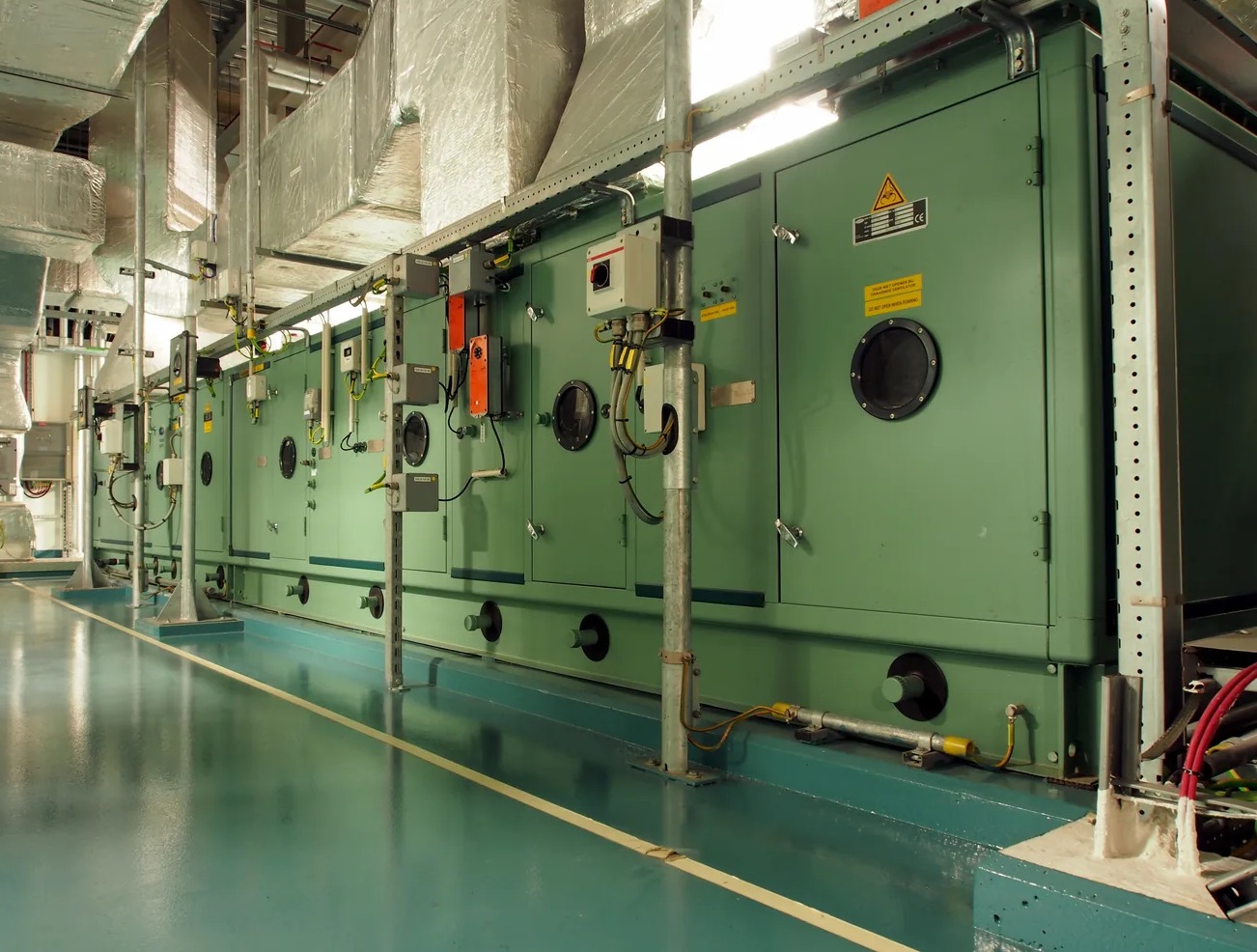
Professional AC Fire Restoration in Robinwood, CT
Fire damage repair for an AC system goes beyond surface cleaning; it requires assessing electrical components and internal mechanisms.
When an AC fire occurs in Robinwood, the immediate need is for soot removal from AC components to prevent corrosion. The pros also handle emergency AC fire restoration when smoke is still in the system.
Detailed AC Fire Restoration Offered in Robinwood
Fire Damaged Ductwork Cleaning
The cleaning process for fire damaged ductwork in Robinwood focuses on both sheet metal and flexible ducting. Residual soot can irritate airways and wear out HVAC parts.
Post-Fire AC System Sanitization
Post-fire AC system sanitization addresses mold that can follow smoke and water damage.
AC Unit Fire Damage Cleanup
Specialized cleaning targets the blower fan, evaporator coils, and duct connections to remove all traces of fire damage and protect your indoor air quality.
AC Electrical Damage Assessment
Restoration pros inspect wiring, capacitors, contactors, and circuit boards for heat damage, soot contamination, and signs of short-circuiting before any restoration cleaning begins.
HVAC Smoke Residue Removal
In Robinwood, HVAC smoke residue removal involves accessing and cleaning supply and return vents, the plenum, and the air handler cabinet. This comprehensive approach addresses the hidden pathways smoke uses to travel.
Symptoms That Require AC Fire Restoration
AC Thermostat Malfunctioning Erratically
Inaccurate temperature readings or unresponsive controls can result from heat or smoke damage to thermostat wiring.
AC Unit Failed to Restart Post-Fire
If your air conditioner will not power on after a nearby fire, internal electrical components may be compromised.
AC Smoke Odor Persisting in Home
If smoke smells remain after a fire, even with cleaning, your air conditioning system may be circulating residual odor particles.
Visible Soot Inside AC Unit
Seeing soot accumulation on the indoor coil or blower fan is a clear indicator of AC fire damage that needs cleanup.
How AC Fire Restoration Works in Robinwood
Step 1: On-Site Damage Scope Analysis
The pros perform an initial analysis to map the extent of contamination in your HVAC system, planning the AC fire restoration process accordingly.
Step 2: Aggressive Soot and Smoke Cleaning
This phase involves aggressive HVAC smoke residue removal from all mechanical parts and duct interiors, using industry-approved cleaning agents and equipment.
Step 3: Detailed Component-By-Component Repair
Each AC component is inspected and cleaned individually. Damaged wiring or motors are marked for repair or replacement.
Step 4: Final Air Filtration and Balancing
To complete the fire and smoke restoration, high-efficiency air filters are installed and the system is balanced to restore proper, clean airflow throughout your property.
Common Causes of AC Fire Damage in Robinwood
Chimney Fire Backdraft
A chimney fire can push intense heat, smoke, and soot back into the home, overwhelming and contaminating the air conditioning ducts.
Electrical Short in AC Unit
Faulty wiring, overloaded circuits, or damaged components within the air conditioner itself can ignite an internal electrical fire.
Faulty Electrical Panel Wiring
Problems in the home's main electrical panel can cause surges or shorts that damage the sensitive circuitry of the air conditioner.
Kitchen Grease Fire Spread
Grease fires can quickly spread smoke and soot into kitchen vents, which then draws contamination into the central HVAC system.
AC Fire Restoration for All Property Types in Robinwood
Residential AC Fire Restoration
Corrosive soot can permanently damage AC components, so homes need cleanup. The experts can secure the system to halt further deterioration.
Commercial AC Fire Restoration
A commercial HVAC system has to be safe before the business can reopen. The specialists prioritize critical air handling units to get essential business functions back online.
AC Fire Restoration vs. DIY: When to Call Soot Damage Pros
After a small, contained fire, you can safely change your HVAC air filter with a high-efficiency filter to capture some particles. For visible soot in ducts or a lasting smoke smell, call the pros before the system spreads it further.
What Affects AC Fire Restoration Cost in Robinwood
The pros assess several variables when determining AC fire restoration cost, including the severity of electrical damage to the HVAC unit. Accessibility of components and the need for specialized sanitization also contribute to the final price.
Electrical Damage Scope
The extent of wiring or component harm discovered during the AC electrical damage assessment dictates repair needs.
Local Service Area
Service logistics within Robinwood and surrounding areas like Brooklyn, Bucks Hill and East End are considered in the overall project coordination.
Soot Contamination Level
Heavy soot deposits inside the AC unit necessitate more intensive cleaning procedures than light, surface-level residue.
Does Insurance Cover AC Fire Restoration?
Insurance for fire damaged ductwork cleaning hinges on your policy's details regarding structural components and air quality. The pros assist by providing clear evidence of the contamination for your insurer's evaluation.
Why Choose Local Pros for AC Fire Restoration in Robinwood
Industry-Standard Cleaning Protocols
Soot and residue removal follows industry guidelines for coils, blowers, ducts and other HVAC parts.
Focused Soot and Residue Removal
The process targets stubborn soot removal from AC coils and components to help restore system function.
Comprehensive Ductwork Cleaning
Fire damaged ductwork cleaning addresses hidden smoke residues to help improve indoor air quality post-fire.
Emergency AC Fire Restoration Available Around the Clock in Robinwood
After a fire, quick AC cleanup protects air quality and the system itself. Get assistance from the specialists by dialing (475) 242-0613 for service.
Call Now (475) 242-0613Local AC Fire Restoration Areas Including Robinwood
The places below are also served, and each one has its own page.
AC Fire Restoration FAQs
What does emergency AC fire restoration include?
Emergency service includes securing the system, initial soot containment, and documentation to begin the fire and smoke restoration process.
How is soot removal from AC units performed?
Soot removal uses cleaners made for HVAC parts like coils and blowers, so metal and fins are not damaged.
What follows the initial emergency fire restoration?
After the emergency response, the full AC fire restoration process continues with detailed cleaning, deodorization, and final system checks and sanitization.
How quickly should AC fire damage cleanup begin?
Cleanup should begin as soon as it is safe to do so, as soot can become more difficult to remove over time and may corrode metals.
What are the signs of HVAC smoke residue?
Signs include a persistent smoky odor when the system runs, visible black dust around vents, or reduced airflow from clogged filters and components.