Robinwood, CT · New Haven County
Ceiling Water Damage Restoration in Robinwood, CTWet Ceiling Drywall Removal & Emergency Ceiling Water Extraction
Ceiling Water Damage Restoration in Robinwood manages wet ceiling drywall removal, ceiling mold prevention, and ceiling water stain removal.
Answered 24/7
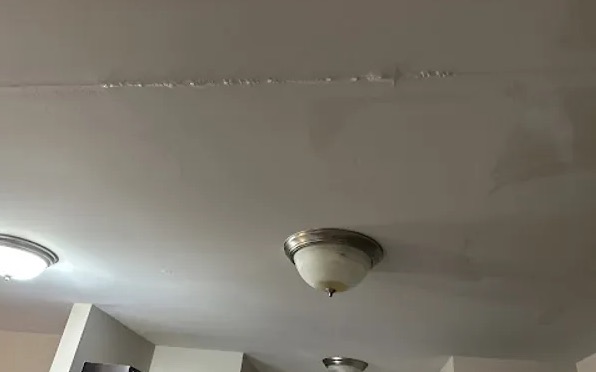
Professional Ceiling Water Damage Restoration in Robinwood, CT
The threat of mold growth on the ceiling makes quick action on water damage in Robinwood essential. Mold can begin colonizing damp drywall paper and wood within 24 to 48 hours, leading to potential health concerns and more extensive remediation.
For homes in Robinwood, part of Waterbury, and nearby Brooklyn, Bucks Hill and East End, a ceiling leak needs the water removed and the drywall and joists dried. Moisture readings show how far the water spread above the stain.
Local Ceiling Water Damage Restoration Services in Robinwood
Wet Ceiling Drywall Removal
Wet drywall in a ceiling can sag and eventually collapse. Careful cutting keeps dust down and leaves a clean edge for repair.
Emergency Ceiling Water Extraction
The emergency extraction service provided by local pros involves water removal from the affected area, helping to stabilize the situation and prepare for the drying phase.
Ceiling Drying Services
Without professional drying, hidden moisture in a ceiling can cause long-term problems. The drying service uses specialized tools like thermo-hygrometers to measure progress and adjust equipment for the most efficient dry-out.
Ceiling Mold Prevention
Water damage pros use professional-grade dehumidifiers and air scrubbers to dry the area completely, a key step for homeowners in Robinwood to avoid future issues.
Ceiling Water Stain Removal
Experts first confirm the leak is fixed and the ceiling is dry, then apply stain-blocking primers to prevent the discoloration from bleeding through new paint.
Warning Signs You Need Ceiling Water Damage Restoration in Robinwood
Condensation on Light Fixtures
Moisture collecting inside or around a ceiling light fixture is dangerous. It points to high humidity in the ceiling.
Sagging or Bubbling Drywall
A ceiling that sags or shows bubbling indicates trapped water. Wet ceiling drywall removal may be necessary to address the compromised area.
Soft Spots to the Touch
A ceiling that feels soft or spongy when pressed is waterlogged. Wet ceiling repair by the pros are urgently needed.
Musty Odors in Room
A persistent musty smell suggests hidden moisture and potential mold growth on ceiling. A moisture detection ceiling inspection can locate the source.
How Ceiling Water Damage Restoration Works in Robinwood
Step 1: Leak Source Identification and Containment
The pros first work to stop the active leak, whether from plumbing or roof.
Step 2: Wet Material Removal and Extraction
Soggy, compromised ceiling drywall and insulation are safely removed. Powerful extraction equipment pulls out any remaining standing water from the cavity above.
Step 3: Structural Drying and Monitoring
High-velocity air movers and commercial dehumidifiers dry the joists and remaining materials. Moisture levels are monitored daily until they meet dry standard criteria.
Step 4: Final Cleaning and Stain Treatment
The area is cleaned of debris and any remaining residues. Ceiling water stain removal techniques are applied to prepare surfaces for reconstruction.
Ceiling Water Damage: Frequent Causes
Foundation or Wall Cracks
Water entering through foundation cracks can wick up through walls and, over time, reach lower ceilings and drywall.
Failed Appliance Connections
A leaking washing machine, water heater, or ice maker line upstairs can fail. The water often travels along floor joists to damage the ceiling underneath.
HVAC Condensation Drainage Issues
A clogged condensate drain line from an attic air handler can overflow. This constant drip causes significant ceiling water damage over time.
Overflowing Bathtubs or Sinks
An accidental overflow from a second-floor bathroom can be a major incident. It needs extraction and drying.
Both Residential & Commercial Ceiling Water Damage Restoration
Residential Ceiling Water Damage Restoration
Homeowners face risks from sagging, stained ceilings and potential electrical hazards from light fixture leaks. The pros address hidden moisture in insulation to prevent long-term air quality issues.
Commercial Ceiling Water Damage Restoration
Office buildings, retail stores, and warehouses require a strategic approach to water mitigation services. Documentation for complex commercial insurance claims is a key part of the service.
Why Ceiling Water Damage Restoration is a Job for Water Extraction Experts
Running the bathroom exhaust fan during showers reduces ambient humidity that contributes to mold. When active water intrusion or mold is present, ceiling mold prevention and cleanup should be handled by the pros.
Factors Affecting Ceiling Water Damage Restoration Pricing
Complexity from multi-level water travel and the type of ceiling material, such as textured drywall or popcorn, affects ceiling water damage repair pricing in Robinwood. The presence of pre-existing mold or asbestos can add necessary containment steps.
Ceiling Material Type
Drywall, plaster and textures like popcorn ceilings differ in material and labor costs.
Equipment Requirements
The number of air movers, dehumidifiers, and moisture meters needed for ceiling drying services scales with the size and severity of the leak.
Cosmetic Finish Restoration
After wet ceiling drywall removal and replacement, repainting, re-texturing, and ceiling water stain removal work contribute to the final restoration cost.
Does Insurance Cover Ceiling Water Damage Restoration?
Coverage for wet ceiling repair from a roof leak may hinge on policy provisions about roof maintenance and wind or hail. The pros provide clear evidence of the damage and repairs required. Final claim approval is at the insurer's discretion.
The Value of Professional Ceiling Water Damage Restoration
Industry-Standard Drying Methods
Drying prevents hidden moisture and mold in the ceiling cavity and attic.
24/7 Emergency Response
Quick action on emergency ceiling water extraction limits the spread of water and minimizes the area of drywall or insulation that is ultimately ruined.
Advanced Moisture Detection
Using non-invasive meters and thermal imaging for moisture detection ceiling inspection finds hidden wet areas behind walls or above in the attic.
24/7 Ceiling Water Damage Restoration Response for Robinwood
If water is dripping or pooling from overhead, act now. Get emergency help from the pros for ceiling drying services by calling (475) 242-0613 anytime.
Call Now (475) 242-0613Local Ceiling Water Damage Restoration Coverage in New Haven County
The places below are also served, and each one has its own page.
- Ceiling Water Damage Restoration in Brooklyn
- Ceiling Water Damage Restoration in Bucks Hill
- Ceiling Water Damage Restoration in East End
- Ceiling Water Damage Restoration in North End
- Ceiling Water Damage Restoration in Pine Hill
- Ceiling Water Damage Restoration in Bunker Hill
- Ceiling Water Damage Restoration in Hillside Historic District
- Ceiling Water Damage Restoration in Overlook
Ceiling Water Damage Restoration Information and Answers
What is the first step for ceiling water damage repair?
The immediate priority is emergency ceiling water extraction to remove any standing water on the ceiling surface or in the attic above, followed by setting up containment if needed.
How does the ceiling drying process prevent future odor issues?
Drying removes the moisture that bacteria and mold need to grow, which are the primary sources of musty odors following water damage in ceilings and wall cavities.
What are signs of mold growth on a ceiling after a leak?
Look for discolored patches, black speckling, a musty odor, or peeling paint. A moisture detection ceiling inspection can confirm hidden mold behind the drywall before it becomes visible.
How does ceiling mold prevention work during restoration?
After drying, the experts apply EPA-registered antimicrobial agents to cleaned ceiling surfaces and cavity framing to inhibit spore germination and mold in the previously wet environment.
Is ceiling moisture inspection needed after the drying equipment is removed?
Yes. A final moisture check confirms the framing and insulation are dry before repairs begin.