Cheshire, CT · New Haven County
Water-Damaged Flooring Removal in Cheshire, CTSubfloor Drying Services & Tile Floor Water Cleanup
Water-Damaged Flooring Removal in Cheshire addresses laminate flooring removal, tile floor water cleanup and subfloor drying services.
Answered 24/7
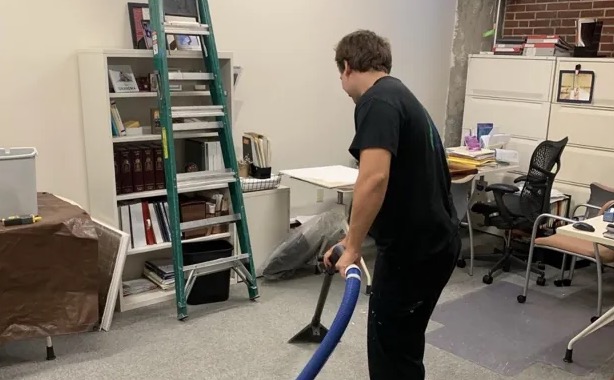
Local Water-Damaged Flooring Removal Solutions in Cheshire
In homes throughout Cheshire, wet hardwood needs prompt action to save the boards. Cupping can start within hours if standing water is not removed, and the finish can stain permanently.
In Cheshire, flooring replacement is common when materials cannot be saved. Pros decide whether carpet or wood can be dried or must be removed and dry the base before any rebuild.
Complete Water-Damaged Flooring Removal Process in Cheshire
Subfloor Drying Services
A wet subfloor wicks water into walls and joists, so pros dry it fully before new flooring goes in.
Tile Floor Water Cleanup
After slab leaks or floods, pros check the adhesive and underlayment and remove tile only if needed.
Wet Carpet Removal
Soggy carpet starts to smell quickly, so pros remove it and the pad and dry the floor underneath.
Emergency Floor Water Extraction
Pros remove as much water as possible before it spreads or soaks deeper, which keeps the job smaller.
Floor Moisture Inspection
Moisture meters and thermal imaging map wet floors and walls before and after drying so nothing is missed.
Warning Signs You Need Water-Damaged Flooring Removal
Gaps Between Floorboards
New gaps between floorboards can appear as wood shrinks after soaking up water.
Cracked or Peeling Floor Finish
Finish flaking off hardwood or vinyl suggests water has broken down the protective coating.
Soft or Spongy Floor Sections
Soft or spongy spots underfoot point to water damage in the subfloor below the finish.
Loose or Lifting Floor Tiles
Loose tiles or bubbling laminate planks show the adhesive or core has been weakened by water.
How Water-Damaged Flooring Removal Works in Cheshire
Step 1: Containment and Safety Setup
Pros set up a work zone with containment to keep dust and debris out of clean rooms.
Step 2: Wet Floor Removal Process
Carpet, hardwood or tile is removed with tools suited to each material and situation.
Step 3: Subfloor Drying Services
Drying equipment runs continuously on the exposed subfloor until all moisture is gone.
Step 4: Documentation for Insurance
Photos and moisture logs record the damage and work for your insurance claim.
Typical Reasons for Water-Damaged Flooring Removal in Cheshire
Appliance Leaks and Overflows
Leaking dishwashers, washing machines or water heaters can flood floors with a lot of water.
Window and Door Seal Failure
Failed seals around windows and doors let rain and melting snow soak interior floors.
Natural Flooding Events
Heavy rain or overflowing streams can push floodwater onto ground-floor flooring and rugs.
Roof Leaks During Storms
Rain through a damaged roof often runs down walls and pools on upper floors.
Residential and Commercial Water-Damaged Flooring Removal in Cheshire
Residential Water-Damaged Flooring Removal
Homeowners need soaked carpet and pad removed and moisture under tile or vinyl checked to protect the home's value.
Commercial Water-Damaged Flooring Removal
Hotel corridors and leased offices often need laminate removed, with pros coordinating access and timing with the property managers.
Water-Damaged Flooring Removal vs. DIY: When to Call Water Removal Pros
If a fridge water line drips onto vinyl, dry it with a towel and check the connection. If the vinyl is peeling or loose, have pros check whether it needs to come up.
What Influences Water-Damaged Flooring Removal Pricing in Cheshire
The cost in Cheshire depends mainly on the square footage affected and whether the flooring is carpet, hardwood or tile.
Access and Complexity
Moving furniture, glued vinyl or tight room access all add labor time.
Flooring Material Type
Removing wet carpet is simpler than removing hardwood, which needs careful handling.
Post-Removal Services
Final moisture checks and site preparation for new flooring add to the total.
Does Insurance Cover Water-Damaged Flooring Removal?
Damage from a slow, gradual leak may be treated differently. Pros provide records you can submit, but you confirm coverage directly with your insurer.
Benefits of Hiring Local Pros in Cheshire for Water-Damaged Flooring Removal
Clear Communication
Each step of removal and drying is explained clearly, with nothing hidden from you.
Detailed Damage Documentation
Photos and moisture logs give clear evidence of the damage for your insurance claim.
IICRC-Standard Drying Methods
Drying follows accepted industry methods so subfloors and nearby materials are fully dried.
24/7 Water-Damaged Flooring Removal Assistance in Cheshire
If an appliance leak has soaked your hardwood, call restoration experts at (475) 242-0613. Starting drying quickly gives the boards a much better chance of being saved.
Call Now (475) 242-0613Water-Damaged Flooring Removal in Cheshire and Other Areas Served
The places below are also served, and each one has its own page.
- Water-Damaged Flooring Removal in Cheshire Village
- Water-Damaged Flooring Removal in Prospect
- Water-Damaged Flooring Removal in Wallingford
- Water-Damaged Flooring Removal in Meriden
- Water-Damaged Flooring Removal in Oxford
- Water-Damaged Flooring Removal in Terryville
- Water-Damaged Flooring Removal in Bethlehem Village
- Water-Damaged Flooring Removal in Bristol
Frequently Asked Questions About Water-Damaged Flooring Removal
Why is a floor moisture inspection critical?
Meters find hidden moisture that can warp materials or cause odors after the flooring is removed.
How do pros document damage for insurance?
Pros take detailed photos and moisture readings at several points and put them in a report for your claim.
What causes the need for waterlogged floor removal?
Long exposure, contaminated water or deep soaking into the subfloor usually mean the flooring must come out.
Can water-damaged hardwood floors be saved?
Sometimes, if drying starts promptly, but severe cupping or swelling usually means the boards are replaced.
Does water always ruin a wood subfloor?
Not if it is dried promptly; proper drying can often save the subfloor and avoid replacing it.