East End, CT · New Haven County
Water-Damaged Flooring Removal in East End, CTSubfloor Drying Services & Emergency Floor Water Extraction
Water-Damaged Flooring Removal in East End addresses wet carpet removal, hardwood floor water damage and laminate flooring removal.
Answered 24/7
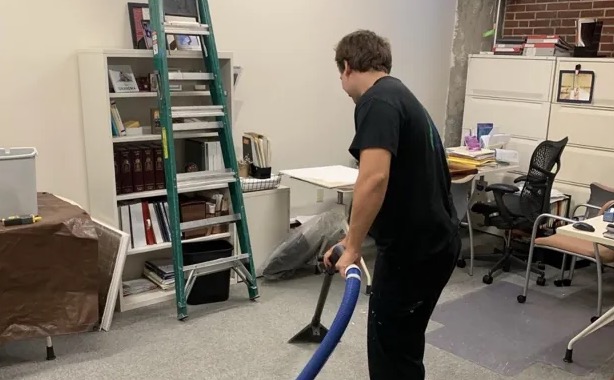
Water-Damaged Flooring Removal Services for East End Residents
After any leak in the East End community in Waterbury, removal of wet flooring matters. Delays let water seep into subfloors and framing, where it weakens materials out of sight.
In East End, flooring replacement is common when materials cannot be saved. Pros decide whether carpet or wood can be dried or must be removed and dry the base before any rebuild.
Complete Water-Damaged Flooring Removal Process in East End
Subfloor Drying Services
Drying the subfloor fully prevents squeaks, soft spots and odors after water damage in East End.
Emergency Floor Water Extraction
In East End, pros extract water first to keep it from moving under walls or into other rooms.
Wet Carpet Removal
Pros remove wet carpet and pad after appliance leaks or toilet overflows so water stops wicking into walls.
Hardwood Floor Water Damage
Pros in East End check how wet the boards are, use drying mats and remove only planks that cannot be saved.
Floor Moisture Inspection
Readings across the floor set drying goals and confirm when the structure is ready for repair.
When to Consider Water-Damaged Flooring Removal for Your Floors
Warping or Cupping Hardwood
Wood planks that curl at the edges or buckle in the middle have water trapped underneath them.
Visible Mold on Baseboards
Dark spots on baseboards or along wall edges point to water problems at floor level.
Laminate Flooring Edge Swelling
Swollen laminate edges are a clear sign the planks have absorbed water.
Loose or Lifting Floor Tiles
Loose tiles or bubbling laminate planks show the adhesive or core has been weakened by water.
How Water-Damaged Flooring Removal Works in East End
Step 1: Floor Moisture Inspection
Meters map moisture in floors, walls and subfloors to define exactly what must be removed.
Step 2: Waterlogged Floor Removal
Ruined carpet, pad, tile or planks are cut out and removed from the water-damaged area.
Step 3: Structural Drying Procedures
Air movers and dehumidifiers work together to dry the subfloor and framing thoroughly.
Step 4: Final Verification and Cleanup
Readings confirm the area is dry, and debris is cleared for the next construction step.
Typical Reasons for Water-Damaged Flooring Removal in East End
Plumbing Fixture Failures
Leaky supply lines under sinks, toilet overflows or failed valves soak nearby flooring.
HVAC Condensate Drain Clogs
A clogged AC drain line can overflow and drip onto floors for weeks unnoticed.
Sump Pump Failure in Basements
A failed or overwhelmed sump pump lets basement water rise and soak flooring.
Window and Door Seal Failure
Failed seals around windows and doors let rain and melting snow soak interior floors.
Both Residential & Commercial Water-Damaged Flooring Removal in East End
Residential Water-Damaged Flooring Removal
In houses, subfloor drying after flooring removal brings wood moisture to safe levels before new floors go in.
Commercial Water-Damaged Flooring Removal
After-hours floods in stores or warehouses need slick, soaked flooring removed quickly and the damage documented for the insurer.
Water-Damaged Flooring Removal vs. DIY: When to Call Water Damage Pros
After a clean water toilet overflow, mop the tile with a disinfectant cleaner once the toilet is fixed. If water got under the toilet base or into nearby rooms, have the floor checked for moisture.
Understanding Water-Damaged Flooring Removal Cost in East End
Hard-to-reach areas and difficult materials like glued tile or parquet take longer to remove and cost more as a result.
Affected Square Footage
Larger wet areas need more labor time, hauling and disposal for the job.
Water Damage Severity
Heavily soaked materials or long-running leaks take more intensive extraction work and time.
Subfloor Condition
A wet subfloor needs its own drying, which adds days and equipment to the job.
Does Insurance Cover Water-Damaged Flooring Removal?
Coverage depends on your policy and the cause of the water. Local water removal pros document the damage with photos and moisture readings for your claim.
The Value of Local Pros for Water-Damaged Flooring Removal in East End
Detailed Damage Documentation
Photos and moisture logs give clear evidence of the damage for your insurance claim.
Containment and Safety
Containment controls dust and debris during removal, protecting clean rooms in the house.
Proper Material Handling
Hardwood and tile are handled carefully so salvageable materials are not damaged further.
Emergency Water-Damaged Flooring Removal Response in East End, CT
After a burst pipe or flood, call the pros at (475) 242-0613 for flooring removal and drying. Early work limits damage to the structure.
Call Now (475) 242-0613Water-Damaged Flooring Removal in East End and Other Areas Served
The places below are also served, and each one has its own page.
- Water-Damaged Flooring Removal in Brooklyn
- Water-Damaged Flooring Removal in Bucks Hill
- Water-Damaged Flooring Removal in North End
- Water-Damaged Flooring Removal in Pine Hill
- Water-Damaged Flooring Removal in Robinwood
- Water-Damaged Flooring Removal in Bunker Hill
- Water-Damaged Flooring Removal in Hillside Historic District
- Water-Damaged Flooring Removal in Overlook
Common Water-Damaged Flooring Removal Questions Answered
Is laminate flooring removal always necessary after water exposure?
Usually, since laminate swells and delaminates when wet and cannot be dried well, so removal comes first.
What happens during subfloor drying services?
Air movers and dehumidifiers dry the wood subfloor after flooring removal, with readings until it is dry.
Does water always ruin a wood subfloor?
Not if it is dried promptly; proper drying can often save the subfloor and avoid replacing it.
What is involved in water-damaged flooring removal?
Emergency water extraction, careful removal of ruined flooring and a thorough moisture check of the floor.
How do pros document damage for insurance?
Pros take detailed photos and moisture readings at several points and put them in a report for your claim.