Oakville, CT · Litchfield County
Water-Damaged Flooring Removal in Oakville, CTVinyl Floor Water Damage & Laminate Flooring Removal
Water-Damaged Flooring Removal in Oakville addresses laminate flooring removal, tile floor water cleanup and subfloor drying services.
Answered 24/7
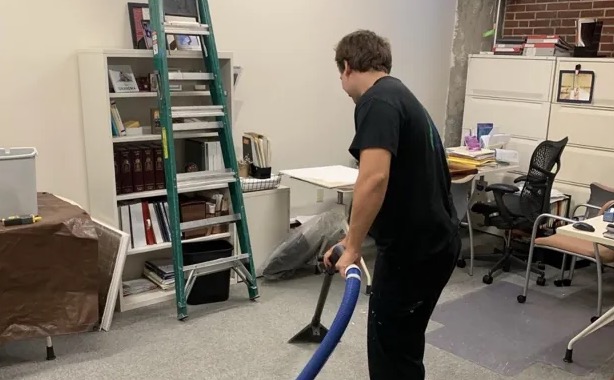
Water-Damaged Flooring Removal Services for Oakville Residents
When flooring in Oakville is too soaked or contaminated to save, it must come out. Removing it keeps bacteria and odors from spreading and lets the structure dry.
In Oakville, flooring replacement is common when materials cannot be saved. Pros decide whether carpet or wood can be dried or must be removed and dry the base before any rebuild.
Complete Water-Damaged Flooring Removal Process in Oakville
Vinyl Floor Water Damage
Curling or bubbling vinyl means water is underneath, so pros remove sections to check the subfloor.
Laminate Flooring Removal
After a fridge or appliance leak, pros remove ruined planks and dry the subfloor underneath.
Floor Moisture Inspection
Readings across the floor set drying goals and confirm when the structure is ready for repair.
Emergency Floor Water Extraction
Pros remove as much water as possible before it spreads or soaks deeper, which keeps the job smaller.
Tile Floor Water Cleanup
Grout holds moisture against the subfloor, so pros in Oakville test it and dry or repair the base layer.
How to Know You Need Water-Damaged Flooring Removal in Oakville
Gaps Between Floorboards
New gaps between floorboards can appear as wood shrinks after soaking up water.
Cracked or Peeling Floor Finish
Finish flaking off hardwood or vinyl suggests water has broken down the protective coating.
Soft or Spongy Floor Sections
Soft or spongy spots underfoot point to water damage in the subfloor below the finish.
Visible Mold on Baseboards
Dark spots on baseboards or along wall edges point to water problems at floor level.
How Water-Damaged Flooring Removal Works in Oakville
Step 1: Floor Moisture Inspection
Meters map moisture in floors, walls and subfloors to define exactly what must be removed.
Step 2: Waterlogged Floor Removal
Ruined carpet, pad, tile or planks are cut out and removed from the water-damaged area.
Step 3: Structural Drying Procedures
Air movers and dehumidifiers work together to dry the subfloor and framing thoroughly.
Step 4: Final Verification and Cleanup
Readings confirm the area is dry, and debris is cleared for the next construction step.
What Leads to Water-Damaged Flooring Removal Needs in Oakville
Roof Leaks During Storms
Rain through a damaged roof often runs down walls and pools on upper floors.
Natural Flooding Events
Heavy rain or overflowing streams can push floodwater onto ground-floor flooring and rugs.
Plumbing Fixture Failures
Leaky supply lines under sinks, toilet overflows or failed valves soak nearby flooring.
Pet Accidents and Spills
Repeated pet accidents or large spills that are not dried can soak into flooring seams.
Residential and Commercial Water-Damaged Flooring Removal in Oakville
Residential Water-Damaged Flooring Removal
At home, pros map moisture under floating floors and around toilet bases to plan removal and drying precisely.
Commercial Water-Damaged Flooring Removal
Commercial entryways and break rooms need wet vinyl removed quickly and the concrete slab prepared for new flooring.
Professional Water-Damaged Flooring Removal or DIY Repair in Oakville
If a fridge water line drips onto vinyl, dry it with a towel and check the connection. If the vinyl is peeling or loose, have pros check whether it needs to come up.
Cost Considerations for Water-Damaged Flooring Removal in Oakville
Hard-to-reach areas and difficult materials like glued tile or parquet take longer to remove and cost more as a result.
Subfloor Condition
A wet subfloor needs its own drying, which adds days and equipment to the job.
Water Damage Severity
Heavily soaked materials or long-running leaks take more intensive extraction work and time.
Access and Complexity
Moving furniture, glued vinyl or tight room access all add labor time.
Does Insurance Cover Water-Damaged Flooring Removal?
Damage from a slow, gradual leak may be treated differently. Pros provide records you can submit, but you confirm coverage directly with your insurer.
Benefits of Hiring Water Extraction Pros in Oakville for Water-Damaged Flooring Removal
Focused Material Removal
Only ruined materials are removed, and anything that can be saved is kept in place.
Containment and Safety
Containment controls dust and debris during removal, protecting clean rooms in the house.
IICRC-Standard Drying Methods
Drying follows accepted industry methods so subfloors and nearby materials are fully dried.
Emergency Water-Damaged Flooring Removal Response in Oakville, CT
After a burst pipe or flood, call local water damage pros at (475) 242-0613 for flooring removal and drying. Early work limits damage to the structure.
Call Now (475) 242-0613Water-Damaged Flooring Removal in Oakville and Other Areas Served
Other places served are listed below, each with its own page.
- Water-Damaged Flooring Removal in Waterville
- Water-Damaged Flooring Removal in Bunker Hill
- Water-Damaged Flooring Removal in Watertown
- Water-Damaged Flooring Removal in Overlook
- Water-Damaged Flooring Removal in Hillside Historic District
- Water-Damaged Flooring Removal in East Mountain
- Water-Damaged Flooring Removal in Hopeville
- Water-Damaged Flooring Removal in Lakewood
Water-Damaged Flooring Removal in Oakville: Your Questions
Why is a floor moisture inspection critical?
Meters find hidden moisture that can warp materials or cause odors after the flooring is removed.
How long does wet floor removal typically take?
It depends on the area and material, but many removals can be done in a single day.
Can flooring be replaced immediately after removal?
No. The subfloor must be fully dry and pass a moisture check before new flooring goes in.
Is wet carpet removal a DIY job?
It is not recommended, since removal can spread contamination and miss hidden moisture underneath.
Is laminate flooring removal always necessary after water exposure?
Usually, since laminate swells and delaminates when wet and cannot be dried well, so removal comes first.