Washington Hill, CT · New Haven County
Whole-Building Fire & Smoke Odor Removal in Washington Hill, CTWhole-House Air Scrubbing & Fire Damaged Material Removal
Whole-Building Fire & Smoke Odor Removal in Washington Hill pairs whole-house air scrubbing, HVAC duct smoke cleaning, and fire damaged material removal.
Answered 24/7
Fire and Smoke Odor Elimination Services in Washington Hill
A lingering fire smell means residue is still in the building. Fans and air fresheners rarely touch odor that has soaked into walls, floors, and furniture.
For homes in Washington Hill and nearby Brooklyn, Bucks Hill and East End, treating the air alone is not enough because odor binds to surfaces. Local pros clean, deodorize, and then seal porous materials.
Comprehensive Whole-Building Fire & Smoke Odor Removal Services
Whole-House Air Scrubbing
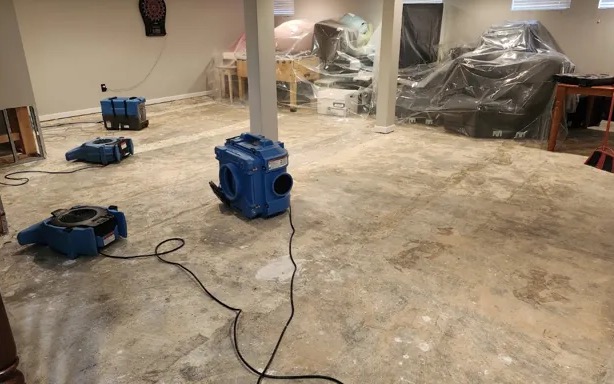
For properties in the Washington Hill community in Waterbury, scrubbers can run under negative pressure, drawing smoky air through several filter stages and out of the building.
Fire Damaged Material Removal
Charred drywall, melted synthetics, and soaked insulation are removed first, since these materials hold the strongest odor.
Surface Sealing for Residual Odor
After cleaning, local fire restoration professionals seal framing, subfloors, and concrete with an odor-blocking coating so trace odor stays locked in.
HVAC Duct Smoke Cleaning
Local fire restoration professionals clean the blower, coil, and ducts, since a dirty system holds odor and spreads it each time it runs.
Thermal Fogging Deodorization
A heated deodorant is released as a fine fog that reaches into wall cavities and ceilings, where it breaks down odor molecules.
Indicators That DIY Odor Removal Has Failed
Stinging Sensation in Eyes or Throat
Stinging eyes or a scratchy throat indoors can come from smoke particles still in the air after the fire is out.
Smell Emanates From HVAC Vents
A smoky smell coming from vents means the HVAC system is carrying odor from the ducts into every room.
Smoke Odor in Closed Cabinets
Items inside closed cabinets that smell of smoke show the odor has passed through gaps and seals throughout the house.
Soot in Electrical Outlets
Fine soot inside outlets and behind switch plates shows smoke reached into wall cavities, not just room surfaces.
How Whole-Building Fire & Smoke Odor Removal Works in Washington Hill
Step 1: Initial Deodorization With Fogging
The experts fog the building first, breaking down odor residue on surfaces throughout the structure.
Step 2: Content Decontamination and Cleaning
Salvageable belongings are cleaned, often off-site, with methods suited to each material so soot and odor come out.
Step 3: Whole-Building Air Exchange
Negative air machines and scrubbers exchange the indoor air, pulling out smoky air and replacing it with filtered air.
Step 4: Sealing for Residual Odor Control
Porous framing and subfloors are sealed so any last traces of odor stay locked in place.
Common Causes of Persistent Fire Odor
Absorption Into Soft Furnishings
Couches, carpets, and drapes trap smoke odor and release it slowly for weeks after the fire.
Improper Initial Odor Mitigation
Air fresheners and surface cleaners only cover the smell and leave the residue that causes it in place.
Contaminated HVAC Ductwork
An HVAC system running during a fire pulls smoky air into the ducts and coats their insides with soot.
Smoke Penetration Into Porous Materials
Smoke odor soaks deep into drywall, wood, and insulation, which then release the smell for months if left untreated.
Fire Odor Removal for All Property Types
Residential Whole-Building Fire & Smoke Odor Removal
Homeowners need both the structure and their belongings treated. Pros clean personal items and fog the building so the smell leaves the whole living space.
Commercial Whole-Building Fire & Smoke Odor Removal
Restaurants and stores need merchandise, equipment, and ductwork cleaned so smoke odor does not drive customers away after reopening.
Professional Whole-Building Fire & Smoke Odor Removal vs. DIY Sprays
Photograph the damage before cleaning or moving anything, and list affected belongings. Share the photos with your insurer, then leave deodorizing of walls and contents to pros.
Understanding Whole-Building Fire & Smoke Odor Removal Cost Factors
In Washington Hill, cost depends on how deep the smoke went and which materials it reached. Surface cleaning costs less than treating odor soaked into walls and insulation.
Affected Material Types
Porous materials like drywall and upholstery often need special treatment or removal, which adds work.
HVAC System Contamination
Cleaning ducts and HVAC parts adds equipment time and access work to the job.
Deodorization Method Required
Thermal fogging and ozone treatment use different equipment, and some jobs need both methods.
Does Insurance Cover Whole-Building Fire & Smoke Odor Removal?
Your policy terms decide coverage. The professionals prepare a written scope with photos to submit with your claim; discuss the process with your insurer.
Why Whole-Building Fire & Smoke Odor Removal Demands Professional Expertise
IICRC-Standard Deodorization Methods
Pros follow established smoke odor protocols, treating odor at its source instead of covering it with fragrance.
Thorough Soot Removal
Electrostatic cleaning removes fine soot from surfaces, which has to happen before deodorizing can work.
Residual Odor Prevention
Sealing porous surfaces locks in trace odor that cleaning misses, so it does not return after repairs.
Urgent Whole-Building Fire & Smoke Odor Removal When You Need It Most
Odors set quickly after a fire, so an early start matters. Call (475) 242-0613 day or night for an assessment and first steps to contain the smell.
Call Now (475) 242-0613Areas Served for Whole-Building Fire & Smoke Odor Removal
The places below are also served, and each one has its own page.
- Whole-Building Fire & Smoke Odor Removal in Brooklyn
- Whole-Building Fire & Smoke Odor Removal in Bucks Hill
- Whole-Building Fire & Smoke Odor Removal in East End
- Whole-Building Fire & Smoke Odor Removal in North End
- Whole-Building Fire & Smoke Odor Removal in Pine Hill
- Whole-Building Fire & Smoke Odor Removal in Bunker Hill
- Whole-Building Fire & Smoke Odor Removal in Hillside Historic District
- Whole-Building Fire & Smoke Odor Removal in Overlook
Understanding Whole-Building Fire & Smoke Odor Removal: Frequently Asked Questions
What materials typically require fire damaged material removal?
Charred wood, melted plastics, contaminated insulation, and anything that cannot be cleaned or is unsafe are removed and disposed of.
How does thermal fogging deodorization work?
A heated deodorant is turned into a fine fog that travels into porous materials and breaks down odor molecules where cleaning cannot reach.
Is whole-house air scrubbing run continuously?
Yes. Industrial HEPA scrubbers run for long periods through the cleanup, filtering fine soot and odor particles from the air.
Can fire smells come back after treatment?
They can if treatment is incomplete. Cleaning the ducts and sealing porous surfaces keeps odor from coming back after the work.
How is success measured in fire smoke odor elimination?
Pros check each room for remaining smoke odor after treatment and may use particle counters to confirm the air is clean.