Hillside Historic District, CT · New Haven County
Heating Unit Mold Cleanup in Hillside Historic District, CTAir Handler Mold Sanitization & Evaporator Coil Mold Removal
Heating Unit Mold Cleanup in Hillside Historic District involves HVAC mold inspection, air duct mold remediation, and furnace mold cleanup.
Answered 24/7
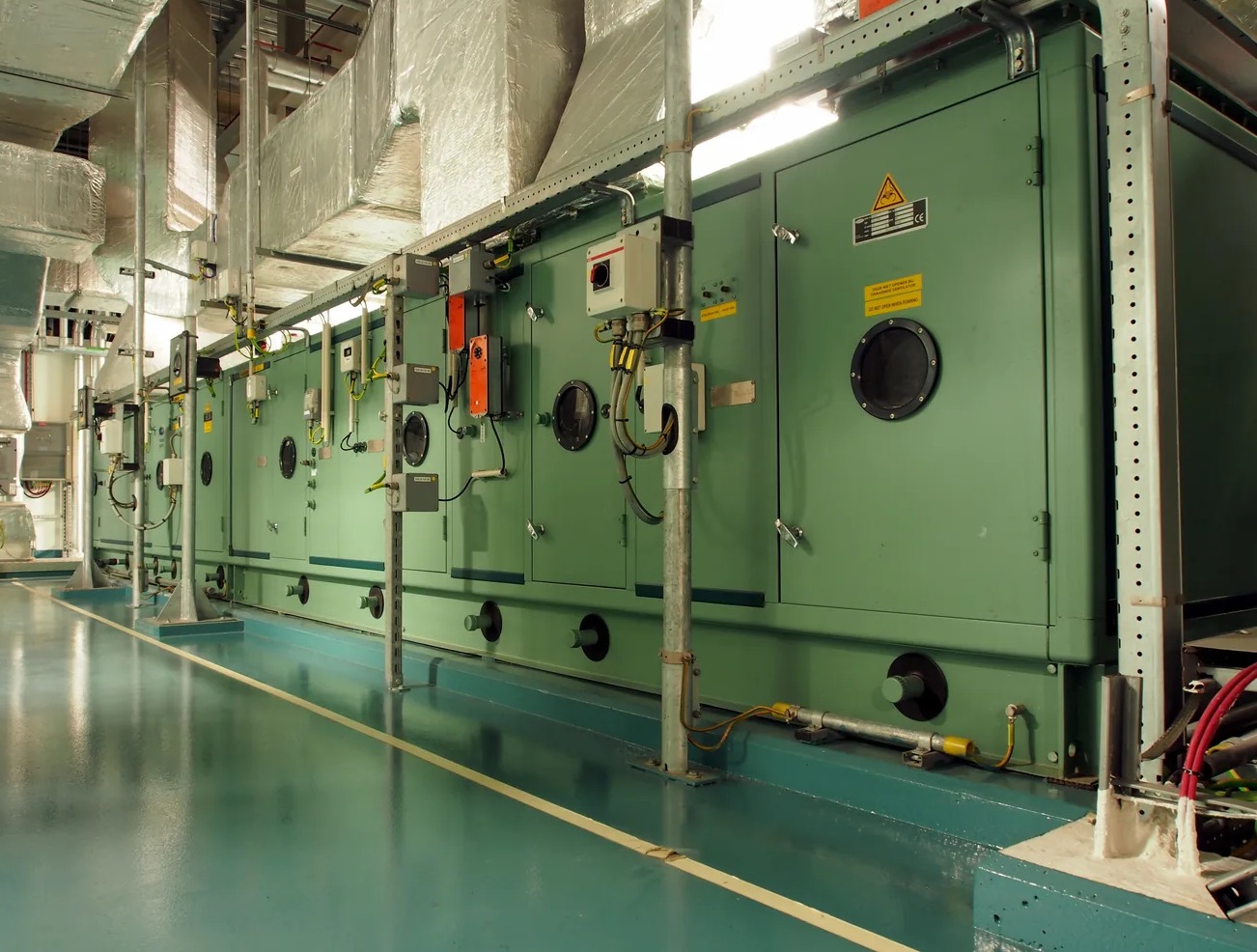
Expert Heating Unit Mold Cleanup for Homes in Hillside Historic District
In Hillside Historic District, condensation or leaks can keep parts of a heating system damp, and mold grows there. Cleaning the coils and ducts restores airflow.
Heating unit mold cleanup is available in Hillside Historic District and nearby areas like Overlook, Brooklyn and Bucks Hill. Mold in HVAC systems spreads quickly through the ducts and into indoor air. Local mold remediation pros tailor the work to each home.
Heating Unit Mold Cleanup Process and Methods in Hillside Historic District
Air Handler Mold Sanitization
Sanitizing an air handler uses products for HVAC applications. The pros treat the blower wheel and housing. It is the concluding phase of heating unit mold cleanup.
Evaporator Coil Mold Removal
Removing mold from coils requires accessing the air handler. The pros use non-corrosive cleaners on delicate fins. It is a specialized facet of heating unit mold cleanup.
HVAC Mold Inspection
HVAC mold inspection identifies mold in air handlers, coils, and ducts. The pros use moisture meters to find hidden contamination. This assessment is the first step for heating unit mold cleanup in the Hillside Historic District community in Waterbury.
Furnace Mold Cleanup
Furnace mold cleanup targets growth in the blower and heat exchanger. The pros disassemble components to clean surfaces. This is often part of broader heating unit mold cleanup.
Air Duct Mold Remediation
Cleaning mold from ducts addresses the system of supply and return vents throughout a home. The pros mechanically agitate and extract visible mold and debris. Cleanup and system repair depend on it.
Indicators of Mold in Your Heating Unit in Hillside Historic District
Increased Allergy Symptoms
Worsening allergies or respiratory irritation at home often points to mold spores circulating from the HVAC system.
Recent Water Damage Nearby
Past leaks or flooding near the HVAC unit can lead to hidden mold growth inside the heating system components.
Musty Odors from Vents
A persistent musty smell when the heating system runs indicates mold growth inside air ducts or the furnace.
Reduced Heating Efficiency
Higher energy bills and weak airflow can mean mold is obstructing ductwork or coating the furnace heat exchanger.
How Heating Unit Mold Cleanup Works in Hillside Historic District
Step 1: Detailed System Evaluation and Testing
The process starts with assessing mold extent in the forced air system, often using borescopes and moisture meters for hidden areas.
Step 2: Source Removal and HEPA Extraction
The pros perform mold spore removal from HVAC components using agitation and powerful HEPA vacuum systems to capture all contaminants.
Step 3: Comprehensive Air Duct Disinfection
Duct interiors are treated with antimicrobial products to keep mold from growing back on the surfaces.
Step 4: Air Flow Restoration and Quality Check
Airflow is restored, and a final check confirms that the mold and the musty odors are gone.
Sources of Mold Growth in HVAC Units
Basement or Crawl Space Moisture
Damp conditions under the home introduce moisture into ductwork running through those spaces, causing ductwork mold growth.
Undersized or Faulty Dehumidifiers
An HVAC system that fails to properly dehumidify the air allows moisture to accumulate inside ductwork and vents.
Post-Flood HVAC Operation
Running the furnace or AC after a flood without cleaning first forces moisture and mold spores through the entire system.
Air Duct Leaks and Gaps
Leaky ductwork pulls in humid air from attics or crawl spaces, depositing moisture that fosters mold inside the ducts.
Home and Business Heating Unit Mold Cleanup Solutions in Hillside Historic District
Residential Heating Unit Mold Cleanup
In homes, Heating Unit Mold Cleanup includes cleaning the evaporator coil and disinfecting the ducts. This stops musty odors and potential health triggers originating from the forced air system mold cleanup.
Commercial Heating Unit Mold Cleanup
Commercial HVAC systems require thorough ductwork sealing and repair after mold remediation to restore efficiency. The pros in Hillside Historic District remove spores from HVAC units in offices and stores.
Heating Unit Mold Cleanup vs. DIY: When to Call Mold Remediation Pros
Schedule regular HVAC maintenance with a qualified service provider to catch issues early. Keep the furnace cabinet area clean and clear of stored items. For any evidence of mold spores from HVAC systems affecting air quality, seek Heating Unit Mold Cleanup from the pros to address the contamination safely.
Primary Factors Affecting Heating Unit Mold Cleanup Cost in Hillside Historic District
Estimates include containment, such as plastic sheeting and negative air machines, to keep spores from spreading during cleanup.
Disposal Requirements
The cost for safe disposal of contaminated materials, like insulation or filters, is factored into the final service price.
Containment Needs
Setting up proper containment to isolate the HVAC system during mold spore removal adds to material and setup expenses.
Post-Cleanup Verification
Optional services like air testing to verify the success of the HVAC mold remediation process incur an additional fee.
Does Insurance Cover Heating Unit Mold Cleanup?
Whether a property insurance policy covers Heating Unit Mold Cleanup depends entirely on the cause of loss listed in the policy documents. Coverage is not automatic and requires the insurer's specific approval for the claim after their review.
Reasons for Professional Heating Unit Mold Cleanup in Hillside Historic District
Containment Protocols
Setting up containment during ductwork mold cleaning helps prevent the spread of spores to other areas of your home.
24/7 Emergency Response
Help is available 24/7 for heating system mold that is spreading odors or spores through the home.
Detailed Documentation
Thorough documentation of the mold growth and cleanup process is provided, which can be useful for your records or insurance.
24/7 Heating Unit Mold Cleanup Assistance in Hillside Historic District
A contaminated heating unit needs professional cleaning. For 24/7 emergency HVAC mold inspection and post-remediation testing in Hillside Historic District, contact the pros without hesitation at (475) 242-0613.
Call Now (475) 242-0613Local Heating Unit Mold Cleanup Availability for Hillside Historic District
Other places served are listed below, each with its own page.
- Heating Unit Mold Cleanup in Overlook
- Heating Unit Mold Cleanup in Brooklyn
- Heating Unit Mold Cleanup in Bucks Hill
- Heating Unit Mold Cleanup in East End
- Heating Unit Mold Cleanup in North End
- Heating Unit Mold Cleanup in Bunker Hill
- Heating Unit Mold Cleanup in Pine Hill
- Heating Unit Mold Cleanup in Robinwood
Common Heating Unit Mold Cleanup Questions Answered
Why is evaporator coil mold removal important?
The wet coil is a prime site for mold; cleaning it prevents spores from being blown throughout your home every time the air conditioner runs.
How long does air handler sanitization take?
The time varies with system size and contamination level, but a thorough cleaning of the unit and connected ducts often takes several hours to a full day.
What happens during vent and register cleaning?
Registers are removed, cleaned, and sanitized, and the accessible first few feet of vent openings are scrubbed to remove visible mold deposits.
When is ductwork sealing and repair recommended?
If inspection reveals leaks or gaps during mold cleanup, sealing is advised to improve efficiency and prevent future moisture intrusion that could lead to regrowth.
What is forced air system mold cleanup?
It means cleaning mold from every part of a forced-air system, including the furnace, ducts, coils and air handler.