Brooklyn, CT · New Haven County
Mold Structural Damage Restoration in Brooklyn, CTEmergency Mold Containment Setup & Mold Contaminated Insulation Removal
When mold causes structural damage in Brooklyn, Mold Structural Damage Restoration involves mold infested drywall removal, structural wood mold treatment, and HVAC duct mold cleaning.
Answered 24/7
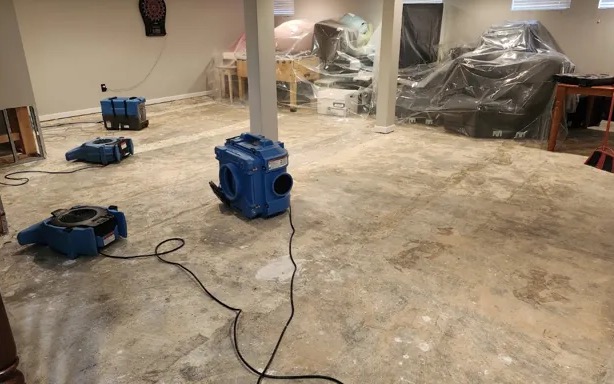
Mold Structural Damage Restoration Services for New Haven County
In Brooklyn, treating mold damage early protects beams, joists and sheathing from sagging or failure. Structural drying after removal stabilizes the remaining materials.
In the Brooklyn community in Waterbury, ongoing dampness can leave mold on structural wood and in insulation. Nearby communities like Bucks Hill, East End and North End also benefit from these specialized services. Local structural damage restoration pros remove black mold and repair the structure.
Comprehensive Mold Structural Damage Restoration in Brooklyn
Emergency Mold Containment Setup
For 24/7 mold emergencies in Brooklyn, containment goes up first. The experts isolate the damage before any restoration starts.
Mold Contaminated Insulation Removal
Wet, moldy insulation loses thermal resistance and must be removed. The process involves extraction using vacuum systems and sealed disposal bags. The cavity is then cleared for new insulation.
Post-Remediation Structural Drying
Drying after remediation keeps mold from returning. The pros set up targeted drying systems to eliminate residual moisture.
Mold Infested Drywall Removal
The pros in Brooklyn handle damaged drywall carefully. They set up containment, remove the material, and sanitize underlying studs to prevent regrowth.
Structural Wood Mold Treatment
For homes in Brooklyn with mold on framing, the wood is cleaned and treated. The pros use specialized cleaners and drying techniques to salvage the wood whenever possible, avoiding costly full replacement.
Indicators You Require Mold Structural Damage Restoration
Musty Odors in Specific Rooms
A persistent earthy smell often signals hidden mold growth within walls, floors, or HVAC systems.
Cracking or Splitting Wood Joints
As mold weakens structural wood, joints and supports may start to show physical stress cracks.
Insulation That Feels Damp
Wet or compacted attic or wall insulation stops insulating well and often hides mold growth.
Warping or Bubbling Drywall
When drywall softens, bulges, or shows bubbles, moisture and mold are likely inside the cavity.
How Mold Structural Damage Restoration Works in Brooklyn
Step 1: Emergency Response and Evaluation
Upon quick action, the specialists assess the scope of structural damage and plan the mold damage restoration process.
Step 2: Active Mold Growth Removal
Pros physically remove all visible mold colonies and the porous materials they grow on, such as during mold contaminated insulation removal.
Step 3: Antimicrobial Application and Treatment
After removal, approved antimicrobials are applied to remaining structural surfaces to inhibit any residual mold spores from reactivating.
Step 4: Air Quality Clearance Testing
Air samples may be taken afterward to confirm spore counts are safe.
Typical Sources of Mold Structural Damage
Leaking Window or Door Seals
Failed caulking or seals allow rainwater intrusion into wall cavities, leading to mold on framing and insulation.
Improper Drying After Water Damage
Incomplete drying after any water incident leaves hidden moisture that turns into mold within days.
Flooding From Storms
Stormwater entering a home saturates porous building materials, requiring drying to prevent structural mold damage.
Poor Bathroom Ventilation
Shower steam with no exhaust fan leads to moisture buildup on walls and ceilings, encouraging mold.
Residential and Commercial Mold Structural Damage Restoration in Brooklyn
Residential Mold Structural Damage Restoration
A residential mold inspection may reveal growth behind walls from slow leaks. The pros then remove drywall and treat structural wood to reach hidden mold.
Commercial Mold Structural Damage Restoration
Restaurants or hotels need discreet, efficient mold and mildew removal to protect reputation. Experts remove insulation and dry the structure with little disruption to guests or customers.
DIY Mold Removal vs. Professional Mold Structural Damage Restoration in Brooklyn
If a musty smell suggests hidden mold, a homeowner can avoid the area and limit airflow by closing doors to contain spores temporarily. For safe black mold removal, schedule professional testing to find the full extent of the damage.
Factors in Mold Structural Damage Restoration Pricing for Brooklyn
The final price reflects the containment needed and how much structural wood must be treated to stop further decay.
Structural Drying
Post-remediation structural drying duration and the number of air movers or dehumidifiers needed influence the overall timeline and cost.
Emergency Response
After-hours or weekend work to set up mold containment may cost more than scheduled work.
Extent of Damage
The square footage of mold-compromised structural materials, from a small section to an entire wall system, dictates labor and material needs.
Does Insurance Cover Mold Structural Damage Restoration?
Whether a policy covers mold damage restoration hinges on the cause listed. The experts in Brooklyn provide detailed documentation of structural damage for a homeowner to submit to their insurer. Review your policy, since your insurer makes all payment decisions.
Advantages of Hiring Water Damage Restoration Experts in Brooklyn
Clear Scope Communication
You receive a clear explanation of necessary steps, from mold contaminated insulation removal to final repairs.
Targeted Material Treatment
Each material gets its own procedure, such as structural wood versus ducts.
Detailed Damage Documentation
Pros document all affected areas with photos and moisture data, which can assist in your insurance claim process.
24/7 Emergency Mold Structural Damage Restoration Response in Brooklyn
If black mold is discovered on structural elements like studs or floor joists, contact (475) 242-0613 for 24/7 assistance. Emergency containment and remediation keep wood and drywall from deteriorating further.
Call Now (475) 242-0613Mold Structural Damage Restoration Provided Throughout New Haven County
The places below are also served, and each one has its own page.
- Mold Structural Damage Restoration in Bucks Hill
- Mold Structural Damage Restoration in East End
- Mold Structural Damage Restoration in North End
- Mold Structural Damage Restoration in Pine Hill
- Mold Structural Damage Restoration in Robinwood
- Mold Structural Damage Restoration in Bunker Hill
- Mold Structural Damage Restoration in Hillside Historic District
- Mold Structural Damage Restoration in Overlook
Frequently Asked Questions About Mold Structural Damage Restoration
Can mold remediation and structural repair happen simultaneously?
The order matters: removal and containment come first, then structural drying, then any structural repairs.
Can structural wood mold treatment save damaged beams?
If the damage is only on the surface, cleaning and antimicrobial treatment can often save the wood. Badly weakened load-bearing members may need to be reinforced or replaced by a contractor.
How does black mold removal differ from regular mold cleanup?
Black mold, or Stachybotrys, often indicates prolonged moisture and may require more stringent containment and removal protocols due to potential health concerns, but the structural repair steps are similar.
How is mold and mildew removal from structural elements different?
Mildew is surface-level and can often be cleaned. Deep structural mold gets into materials, so those materials must be removed.
Why is structural drying a separate phase after mold removal?
Drying removes moisture left from the leak or the remediation, which prevents mold from coming back.