Cheshire, CT · New Haven County
Mold Structural Damage Restoration in Cheshire, CTPost-Remediation Structural Drying & Mold Infested Drywall Removal
Mold infested drywall removal, structural wood mold treatment, and mold contaminated insulation removal are key mold structural damage restoration services in Cheshire.
Answered 24/7
Mold Structural Damage Restoration Services for New Haven County
In Cheshire, treating mold damage early protects beams, joists and sheathing from sagging or failure. Structural drying after removal stabilizes the remaining materials.
In Cheshire, mold that damages structure usually starts with a hidden leak that kept wood wet for months. Local water damage restoration experts, who also work in nearby Cheshire Village, Prospect and Wallingford, stop the decay, remove damaged material and treat the wood that remains.
Mold Structural Damage Restoration Services in Cheshire
Post-Remediation Structural Drying
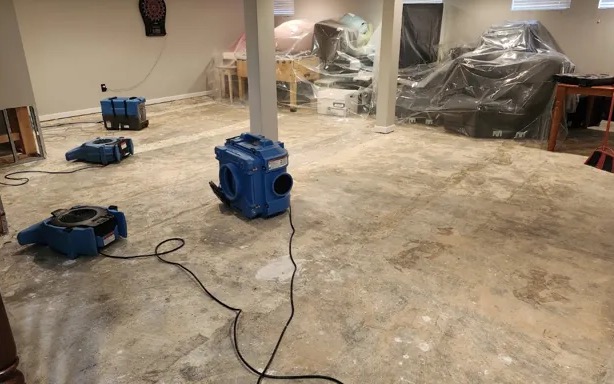
Structural drying removes the latent moisture that initially caused the mold problem. The process employs high-volume airflow and desiccant dehumidification to dry wall cavities, subfloors, and framing from the inside out.
Mold Infested Drywall Removal
Local mold remediation pros in Cheshire follow IICRC-standard methods for drywall demolition and disposal, protecting the home from cross-contamination.
HVAC Duct Mold Cleaning
In Cheshire, HVAC systems can harbor mold, especially after water damage. The pros offer duct cleaning services to remove this contamination at its source, helping you breathe easier.
Subfloor Mold Remediation
For properties in Cheshire, subfloor mold remediation is common. The pros follow a protocol to excavate damage and document conditions.
Mold Damaged Flooring Removal
Mold-damaged flooring removal is more than a demolition job. It involves identifying the moisture pathway, protecting unaffected areas, and preparing a clean substrate for whatever new flooring you choose.
Symptoms Requiring Mold Structural Damage Restoration in Cheshire
HVAC System With Dusty Smell
Mold in air ducts often circulates a dusty, musty odor whenever the heating or cooling runs.
Musty Odors in Specific Rooms
A persistent earthy smell often signals hidden mold growth within walls, floors, or HVAC systems.
Peeling Paint or Wallpaper
Adhesive failure and paint blistering are common signs of moisture and mold behind the surface.
Insulation That Feels Damp
Wet or compacted attic or wall insulation stops insulating well and often hides mold growth.
How Mold Structural Damage Restoration Works in Cheshire
Step 1: Emergency Response and Evaluation
Upon quick action, the specialists assess the scope of structural damage and plan the mold damage restoration process.
Step 2: Active Mold Growth Removal
Pros physically remove all visible mold colonies and the porous materials they grow on, such as during mold contaminated insulation removal.
Step 3: Antimicrobial Application and Treatment
After removal, approved antimicrobials are applied to remaining structural surfaces to inhibit any residual mold spores from reactivating.
Step 4: Air Quality Clearance Testing
Air samples may be taken afterward to confirm spore counts are safe.
Common Causes of Mold Structural Damage
Leaking Window or Door Seals
Failed caulking or seals allow rainwater intrusion into wall cavities, leading to mold on framing and insulation.
High Indoor Humidity Levels
Consistent humidity above 60 percent allows mold spores on surfaces to germinate and colonize materials.
Condensation in HVAC Ducts
Temperature differences in ductwork can create condensation, leading to mold growth inside the air distribution system.
Foundation Water Seepage
Groundwater or poor drainage can wet subfloors and support posts, causing mold in crawl spaces and basements.
Both Residential and Commercial Mold Structural Damage Restoration in Cheshire
Residential Mold Structural Damage Restoration
Household mold damage restoration frequently starts in bathrooms, kitchens, and basements where moisture is common. The pros treat the subfloor and remove the mold at its source.
Commercial Mold Structural Damage Restoration
For schools or medical facilities, strict protocols govern mold remediation. Pros remove black mold and repair the structure to keep occupants safe and meet code.
When to DIY and When to Hire Local Experts for Mold Structural Damage Restoration
A property owner can document visible damage by taking clear, dated photos of all affected areas for their insurance claim before any cleanup begins. Since coverage decisions belong entirely to the insurer, they should confirm policy specifics regarding mold structural damage restoration before authorizing any professional work to proceed.
Pricing for Mold Structural Damage Restoration in Cheshire
The cost of mold structural damage restoration in Cheshire is shaped by the square footage affected and the severity of mold colonization. Materials like framing lumber and drywall also factor into the final estimate.
Extent of Damage
The square footage of mold-compromised structural materials, from a small section to an entire wall system, dictates labor and material needs.
Testing and Verification
Post-remediation mold testing to confirm clearance adds a final step and associated lab analysis fees.
Material Type
Costs differ between treating porous wood studs versus non-porous materials, as each requires specific mold removal and restoration approaches.
Does Insurance Cover Mold Structural Damage Restoration?
Mold damage restoration coverage is a complex insurance matter. Many policies limit or exclude mold unless it originates from a sudden, accidental discharge. The specialists document the structural repairs needed. Ask your insurer about coverage for mold cleanup and drying before work starts.
Why Choose Local Experts for Mold Structural Damage Restoration in Cheshire
Targeted Material Treatment
Each material gets its own procedure, such as structural wood versus ducts.
Health-Safe Procedures
Containment and air filtration during mold infested drywall removal help protect indoor air quality in your home.
Thorough Drying Protocols
Post-remediation structural drying uses industrial equipment to remove residual moisture from rebuilt cavities and materials.
24/7 Emergency Mold Structural Damage Restoration in Cheshire
Heavy mold on beams or subflooring needs prompt attention before the structure weakens. Call (475) 242-0613 for emergency structural damage restoration service, which is available around the clock for properties in Cheshire.
Call Now (475) 242-0613Mold Structural Damage Restoration in Cheshire and Other Areas Served
Each place listed below has its own page with local details.
- Mold Structural Damage Restoration in Cheshire Village
- Mold Structural Damage Restoration in Prospect
- Mold Structural Damage Restoration in Wallingford
- Mold Structural Damage Restoration in Meriden
- Mold Structural Damage Restoration in Oxford
- Mold Structural Damage Restoration in Terryville
- Mold Structural Damage Restoration in Bethlehem Village
- Mold Structural Damage Restoration in Bristol
Mold Structural Damage Restoration Common Questions Answered
When is HVAC duct mold cleaning recommended?
If an inspection finds mold in the ductwork, it needs to be cleaned so the system does not spread spores through the home.
What is involved in mold structural damage restoration?
It includes assessment, containment, removal of moldy materials, treatment of the remaining structure, drying and final testing.
What does subfloor mold remediation entail?
It involves accessing the subfloor, assessing damage, removing moldy sections, treating adjacent joists, and installing new subfloor material after structural drying is confirmed.
Can structural wood mold treatment save damaged beams?
If the damage is only on the surface, cleaning and antimicrobial treatment can often save the wood. Badly weakened load-bearing members may need to be reinforced or replaced by a contractor.
How is mold contaminated insulation removal performed?
Affected insulation is carefully bagged and removed, the cavity is cleaned and treated, and new insulation is installed only after the area passes mold inspection and is fully dry.