East End, CT · New Haven County
Mold Structural Damage Restoration in East End, CTMold Contaminated Insulation Removal & HVAC Duct Mold Cleaning
Mold infested drywall removal, structural wood mold treatment, and mold contaminated insulation removal are key mold structural damage restoration services in East End.
Answered 24/7
Mold Structural Damage Restoration Experts Serving East End
Mold damage restoration in East End addresses both visible destruction and hidden hazards that affect structural stability and indoor air quality. Testing may be needed to find all affected areas in walls, floors and ducts.
In the East End community in Waterbury, ongoing dampness can leave mold on structural wood and in insulation. Nearby communities like Brooklyn, Bucks Hill and North End also benefit from these specialized services. Local structural damage restoration pros remove black mold and repair the structure.
Mold Structural Damage Restoration Services in East End
Mold Contaminated Insulation Removal
In homes throughout East End, attic or wall insulation often holds hidden mold. The pros conduct thorough removal to address both mold and moisture.
HVAC Duct Mold Cleaning
In East End, HVAC systems can harbor mold, especially after water damage. The pros offer duct cleaning services to remove this contamination at its source, helping you breathe easier.
Mold Infested Drywall Removal
The pros in East End handle damaged drywall carefully. They set up containment, remove the material, and sanitize underlying studs to prevent regrowth.
Subfloor Mold Remediation
Mold under flooring can warp floors. Flooring is pulled up, the subfloor treated and the space dried completely.
Post-Remediation Structural Drying
Drying after remediation keeps mold from returning. The pros set up targeted drying systems to eliminate residual moisture.
When to Call for Mold Structural Damage Restoration in East End
Cracking or Splitting Wood Joints
As mold weakens structural wood, joints and supports may start to show physical stress cracks.
Recent Water Damage Stains
Discolored ceilings or walls from past leaks can create the perfect environment for mold.
Insulation That Feels Damp
Wet or compacted attic or wall insulation stops insulating well and often hides mold growth.
HVAC System With Dusty Smell
Mold in air ducts often circulates a dusty, musty odor whenever the heating or cooling runs.
How Mold Structural Damage Restoration Works in East End
Step 1: Source Stopping and Containment
The first action is to stop the water source if active and set up emergency mold containment to limit cross-contamination immediately.
Step 2: Systematic Demolition of Damaged Parts
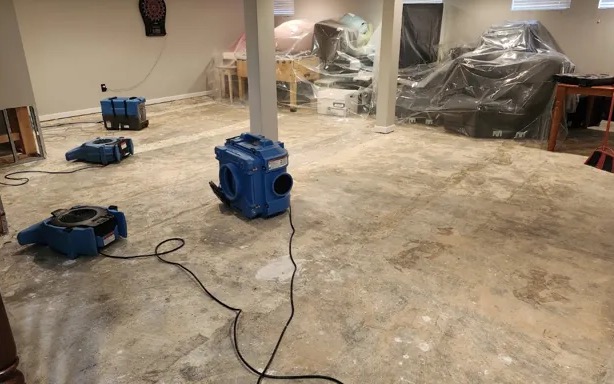
Compromised structural elements are methodically removed. This often means removing drywall and opening subfloors.
Step 3: Deep Drying of Building Cavities
Industrial dehumidifiers and air movers dry wall cavities, joist bays, and subfloors thoroughly, a key phase in structural drying.
Step 4: Reconstruction Preparation and Documentation
Pros prepare the clean, dry area for rebuilding and provide documentation like photos and readings for your insurance claim review.
Causes of Mold Structural Damage
Roof Leaks Into Attics
Water intrusion from damaged shingles or flashing soaks insulation and wood, creating ideal mold growth conditions.
Foundation Water Seepage
Groundwater or poor drainage can wet subfloors and support posts, causing mold in crawl spaces and basements.
Flooding From Storms
Stormwater entering a home saturates porous building materials, requiring drying to prevent structural mold damage.
Appliance Overflow Incidents
Washing machine, dishwasher, or water heater failures can flood floors and walls, starting rapid mold growth.
Residential and Commercial Mold Structural Damage Restoration in East End
Residential Mold Structural Damage Restoration
Homeowners face risks from mold in structural wood, like support beams and studs, which compromises safety. Local pros treat structural wood and dry the home to protect it and the indoor air.
Commercial Mold Structural Damage Restoration
Commercial properties need mold removed to meet health rules and protect the building. The experts set up containment and remove large areas of damaged flooring.
DIY Mold Removal vs. Professional Mold Structural Damage Restoration in East End
If a musty smell suggests hidden mold, a homeowner can avoid the area and limit airflow by closing doors to contain spores temporarily. For safe black mold removal, schedule professional testing to find the full extent of the damage.
Mold Structural Damage Restoration Cost in East End, CT
The overall expense is influenced by the scale of required containment procedures to prevent cross-contamination throughout the property. It also depends on the extended duration of structural drying often needed after remediation in enclosed spaces like wall cavities.
Structural Drying
Post-remediation structural drying duration and the number of air movers or dehumidifiers needed influence the overall timeline and cost.
Testing and Verification
Post-remediation mold testing to confirm clearance adds a final step and associated lab analysis fees.
Access Challenges
Hard-to-reach areas like ducts or closed subfloors take more time and tools to clean.
Does Insurance Cover Mold Structural Damage Restoration?
Insurance coverage for mold structural damage restoration often depends on the source of the moisture. The specialists document all damage with photos and moisture readings for a homeowner's claim submission. The final coverage decision rests solely with the insurance adjuster; homeowners should always confirm specifics directly with their provider.
Advantages of Hiring Local Specialists in East End
Detailed Damage Documentation
Pros document all affected areas with photos and moisture data, which can assist in your insurance claim process.
Comprehensive Mold Removal
The process addresses both visible mold and hidden spores in materials like drywall, insulation, and subfloors.
Structural Damage Focus
The work prioritizes assessing and addressing compromised load-bearing elements and building materials, not just surface mold cleanup.
24/7 Emergency Mold Structural Damage Restoration Response in East End
For emergency mold containment setup to stop structural damage from spreading, call (475) 242-0613 at any hour. Early work by the specialists can help secure the area and begin assessment.
Call Now (475) 242-0613Mold Structural Damage Restoration Provided Throughout New Haven County
The places below are also served, and each one has its own page.
- Mold Structural Damage Restoration in Brooklyn
- Mold Structural Damage Restoration in Bucks Hill
- Mold Structural Damage Restoration in North End
- Mold Structural Damage Restoration in Pine Hill
- Mold Structural Damage Restoration in Robinwood
- Mold Structural Damage Restoration in Bunker Hill
- Mold Structural Damage Restoration in Hillside Historic District
- Mold Structural Damage Restoration in Overlook
Mold Structural Damage Restoration Common Questions Answered
Can structural wood mold treatment save damaged beams?
If the damage is only on the surface, cleaning and antimicrobial treatment can often save the wood. Badly weakened load-bearing members may need to be reinforced or replaced by a contractor.
Does mold testing happen before and after restoration?
Pre-testing can identify spore types and levels. Testing after remediation is standard to confirm cleanup and drying worked.
How does black mold removal differ from regular mold cleanup?
Black mold, or Stachybotrys, often indicates prolonged moisture and may require more stringent containment and removal protocols due to potential health concerns, but the structural repair steps are similar.
Is mold infested drywall removal always necessary?
Drywall is porous and typically cannot be salvaged once mold is inside. Removal and replacement are standard to eliminate the mold reservoir and allow for structural drying.
Is mold damaged flooring removal part of structural repair?
Yes, moldy wood or laminate flooring is often removed to reach and treat the subfloor.