Woodbury, CT · Litchfield County
Mold Structural Damage Restoration in Woodbury, CTEmergency Mold Containment Setup & Subfloor Mold Remediation
Mold infested drywall removal, structural wood mold treatment, and mold contaminated insulation removal are key mold structural damage restoration services in Woodbury.
Answered 24/7
Mold Structural Damage Restoration Experts Serving Woodbury
For homes in Woodbury, restoration is needed when water lets mold grow and weaken building materials. Drying after remediation leaves no moisture for new mold.
In Woodbury and nearby communities like Woodbury Center, Heritage Village and Southbury, moldy drywall and ducts must be removed or cleaned. Local structural damage restoration pros handle these tasks. The experts in Woodbury remove only what cannot be saved and clean or restore the rest whenever practical.
Mold Structural Damage Restoration Services for Woodbury
Emergency Mold Containment Setup
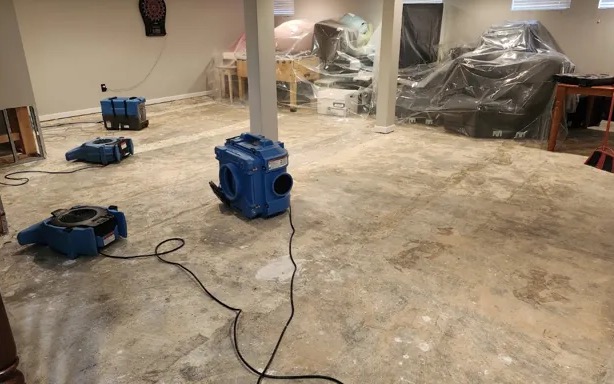
Containment comes first when mold growth is heavy. It involves sealing off doorways, vents, and other openings with plastic sheeting and establishing negative pressure within the work area for safety.
Subfloor Mold Remediation
Mold remediation for subfloors requires accessing a confined, often damp space. The process includes moisture mapping, controlled demolition, antimicrobial treatment, and structural drying to create a stable base for new flooring.
HVAC Duct Mold Cleaning
Mold in air ducts spreads spores. Professional cleaning uses specialized brushes and vacuums to remove mold and apply treatment to inhibit regrowth.
Post-Remediation Structural Drying
The pros use industrial air movers after mold removal. They bring wood and concrete moisture levels down to normal to prevent regrowth.
Structural Wood Mold Treatment
Mold can break down wood fibers over time and weaken framing. Treatment cleans the wood and stops further decay, and badly weakened pieces are replaced.
When to Call for Mold Structural Damage Restoration in Woodbury
Discolored or Deteriorating Wood
Structural beams or studs that appear darkened, stained, or soft may have advanced wood mold.
HVAC System With Dusty Smell
Mold in air ducts often circulates a dusty, musty odor whenever the heating or cooling runs.
Insulation That Feels Damp
Wet or compacted attic or wall insulation stops insulating well and often hides mold growth.
Recent Water Damage Stains
Discolored ceilings or walls from past leaks can create the perfect environment for mold.
How Mold Structural Damage Restoration Works in Woodbury
Step 1: Mold Inspection and Damage Assessment
The pros begin with a detailed inspection, using tools to map moisture and locate all mold damage within the structure.
Step 2: Emergency Mold Containment Setup
To prevent spore spread, pros establish containment with barriers and negative air machines, isolating the work area from the rest of the property.
Step 3: Structural Mold Removal and Treatment
Affected materials like drywall, insulation, and wood are removed or treated. This includes removing drywall and treating structural wood.
Step 4: Post-Remediation Structural Drying
Drying equipment removes the remaining moisture from the structure so mold does not return.
Leading Causes of Mold Structural Damage
Condensation in HVAC Ducts
Temperature differences in ductwork can create condensation, leading to mold growth inside the air distribution system.
Improper Drying After Water Damage
Incomplete drying after any water incident leaves hidden moisture that turns into mold within days.
Roof Leaks Into Attics
Water intrusion from damaged shingles or flashing soaks insulation and wood, creating ideal mold growth conditions.
High Indoor Humidity Levels
Consistent humidity above 60 percent allows mold spores on surfaces to germinate and colonize materials.
Mold Structural Damage Restoration for Homes & Businesses in Woodbury
Residential Mold Structural Damage Restoration
A residential mold inspection may reveal growth behind walls from slow leaks. The pros then remove drywall and treat structural wood to reach hidden mold.
Commercial Mold Structural Damage Restoration
Restaurants or hotels need discreet, efficient mold and mildew removal to protect reputation. Experts remove insulation and dry the structure with little disruption to guests or customers.
Mold Structural Damage Restoration: Professional Help vs. Home Methods
A property owner can document visible damage by taking clear, dated photos of all affected areas for their insurance claim before any cleanup begins. Since coverage decisions belong entirely to the insurer, they should confirm policy specifics regarding mold structural damage restoration before authorizing any professional work to proceed.
Understanding Mold Structural Damage Restoration Costs in Woodbury
Labor for drywall removal or subfloor treatment shapes the scope in Woodbury. The amount of material requiring treatment or replacement is another primary factor in the project's requirements.
Containment Level
Establishing negative air pressure and sealing off work zones adds to the project scope and required equipment.
Material Type
Costs differ between treating porous wood studs versus non-porous materials, as each requires specific mold removal and restoration approaches.
Structural Drying
Post-remediation structural drying duration and the number of air movers or dehumidifiers needed influence the overall timeline and cost.
Does Insurance Cover Mold Structural Damage Restoration?
Whether a policy covers mold damage restoration hinges on the cause listed. The experts in Woodbury provide detailed documentation of structural damage for a homeowner to submit to their insurer. Review your policy, since your insurer makes all payment decisions.
Why Choose Local Experts for Mold Structural Damage Restoration in Woodbury
Detailed Damage Documentation
Pros document all affected areas with photos and moisture data, which can assist in your insurance claim process.
Health-Safe Procedures
Containment and air filtration during mold infested drywall removal help protect indoor air quality in your home.
IICRC-Standard Remediation
Methods follow industry guidelines for safe mold abatement and structural repair, focusing on containment and proper removal.
24/7 Emergency Mold Structural Restoration in Woodbury
Emergency mold and mildew removal from structural components cannot wait. For help with containment and assessment in Woodbury, call (475) 242-0613 anytime. The experts focus on halting further structural damage during the initial response.
Call Now (475) 242-0613Mold Structural Damage Restoration in Woodbury and Other Areas Served
The places below are also served, and each one has its own page.
- Mold Structural Damage Restoration in Woodbury Center
- Mold Structural Damage Restoration in Heritage Village
- Mold Structural Damage Restoration in Southbury
- Mold Structural Damage Restoration in Watertown
- Mold Structural Damage Restoration in Bethlehem Village
- Mold Structural Damage Restoration in Plymouth
- Mold Structural Damage Restoration in Thomaston
- Mold Structural Damage Restoration in Cheshire
FAQ on Mold Structural Damage Restoration in Woodbury
Can structural wood mold treatment save damaged beams?
If the damage is only on the surface, cleaning and antimicrobial treatment can often save the wood. Badly weakened load-bearing members may need to be reinforced or replaced by a contractor.
What happens during post-remediation structural drying?
After mold removal and repairs, industrial dehumidifiers and air movers dry out new materials and adjacent structures to prevent residual moisture from causing new mold growth.
Can mold remediation and structural repair happen simultaneously?
The order matters: removal and containment come first, then structural drying, then any structural repairs.
What does subfloor mold remediation entail?
It involves accessing the subfloor, assessing damage, removing moldy sections, treating adjacent joists, and installing new subfloor material after structural drying is confirmed.
What are signs of structural damage from water damage mold?
Signs include soft or warped wood, sagging floors or ceilings, crumbling drywall, and musty odors, indicating moisture has compromised the material's integrity.