East End, CT · New Haven County
Smoke Damage Assessment in East End, CTSmoke Residue Analysis & Structural Smoke Inspection
Smoke Damage Assessment in East End covers smoke odor source detection, HVAC system smoke contamination check and emergency smoke damage tarping.
Answered 24/7
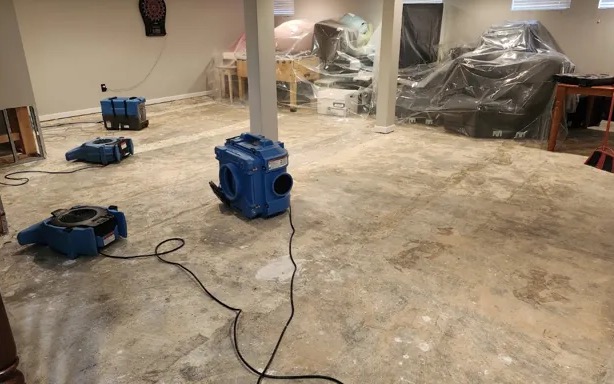
Professional Smoke Damage Assessment in East End, CT
Smoke and soot from a fire in East End leave damage that goes beyond visible stains. Odors linger in upholstery, ducts and wall cavities, so an accurate assessment is the first step toward removing them.
Homes in East End and nearby areas like Brooklyn, Bucks Hill and North End often need a detailed assessment after smoke damage. Local smoke odor experts evaluate soot on contents, the structure and air quality, including odor sources and HVAC systems, to plan a full recovery.
Detailed Smoke Damage Assessment Process in East End, CT
Smoke Residue Analysis
For homes in the East End community in Waterbury, the experts test whether residue is oily, dry or acidic so the wrong cleaning method is never used.
Structural Smoke Inspection
Pros check whether insulation and building materials absorbed smoke and need cleaning or replacement to protect air quality.
Smoke Residue Testing
Pros check pH and chemical content, not just appearance, to plan cleaning that will not cause damage and to find residue hidden in vents.
Post-Fire Surface Damage Evaluation
Cabinets, countertops and wood floors react differently to smoke. Local pros in East End choose the right method for each material.
Smoke Odor Source Detection
Hidden sources often include residue in wall cavities and attics. Pros test different areas so the odor does not return weeks later.
Indicators That Require a Professional Smoke Damage Assessment
Tacky or Sticky Surfaces in Kitchen
Sticky countertops, cabinets and appliances are often coated with oily smoke residue.
Unusual Irritation or Respiratory Issues
Coughing, itchy eyes or breathing trouble at home can point to smoke in the indoor air.
Metallic or Electrical Smoke Smell
A sharp, acrid smell near appliances or wiring suggests smoke from an electrical fire.
Visible Soot or Yellowing on Walls
Black or yellow stains and streaks on walls and ceilings show smoke residue has settled there.
How Smoke Damage Assessment Works in East End
Step 1: Smoke Odor Source Detection
Pros start by finding where odor is trapped, using thermal imaging and other tools to locate hidden areas.
Step 2: Smoke Residue Testing
Residue samples show whether soot is dry, wet or oily, which decides the cleaning methods.
Step 3: Post-Fire Surface Damage Evaluation
All surfaces are checked for staining, etching or corrosion caused by acidic smoke particles.
Step 4: HVAC System Smoke Contamination Check
Pros inspect ducts, coils and filters so the system does not spread soot after cleaning.
How Fires Cause Widespread Smoke Damage Assessment
Incomplete Combustion From Smoldering
Smoldering fires produce large amounts of smoke that soak deep into porous materials.
Synthetic Material Combustion
Burning plastics, vinyl or foam releases acidic soot that can etch and stain surfaces.
Water Used During Firefighting
Firefighting water mixes with soot and spreads stains and residue further through the house.
High Heat Driving Smoke Into Materials
High heat forces smoke particles into the smallest pores of walls, floors and furniture.
Smoke Damage Assessment for Every Building Type in East End
Residential Smoke Damage Assessment
At home, pros check bedrooms and living areas, fabrics, electronics and cabinets to set the scope of cleaning and odor removal.
Commercial Smoke Damage Assessment
In stores and offices, the assessment documents damage to floors, fixtures and inventory for insurance and plans cleanup with minimal downtime.
Calling Smoke Odor Experts for Your Smoke Damage Assessment in East End
For light smoke exposure, open windows and run fans to move smoky air out, and wipe hard surfaces like counters with mild detergent. If odors stay or you see soot stains, call the pros for a professional assessment.
Smoke Damage Assessment Cost Considerations in East End
The cost of an assessment in East End depends on how far damage spread and how large the area is. Widespread soot usually needs a more detailed evaluation.
HVAC System Contamination
Checking ductwork and components for soot is detailed work that adds cost.
Smoke Penetration Depth
Soot deep in walls or ducts needs more testing to find odor sources.
Emergency Measures
Emergency tarping done before the assessment is part of the overall cost.
Does Insurance Cover Smoke Damage Assessment?
Whether your policy covers an assessment depends on the cause of the fire and your limits. The experts in East End provide reports for the adjuster, so confirm what cleanup is included.
Selecting Local Experts in East End for Smoke Damage Assessment
Comprehensive Damage Documentation
Detailed reports with photos and readings support your records and your insurance claim.
HVAC System Evaluation
Smoke moves through ducts, so the HVAC system is checked as part of every assessment.
Content Damage Analysis
Belongings are inspected to decide what can be cleaned and what needs other care.
24/7 Emergency Smoke Damage Assessment for East End
Lasting smoke smells need prompt investigation. Call (475) 242-0613 for the experts who can trace the source in East End.
Call Now (475) 242-0613Smoke Damage Assessment Available Throughout New Haven County
The places below are also served, and each one has its own page.
- Smoke Damage Assessment in Brooklyn
- Smoke Damage Assessment in Bucks Hill
- Smoke Damage Assessment in North End
- Smoke Damage Assessment in Pine Hill
- Smoke Damage Assessment in Robinwood
- Smoke Damage Assessment in Bunker Hill
- Smoke Damage Assessment in Hillside Historic District
- Smoke Damage Assessment in Overlook
Smoke Damage Assessment FAQ for East End Homeowners
How long does a typical assessment take?
It depends on size and damage, but a full assessment of an average home often takes several hours.
What if smoke damage is only in one room?
Smoke travels on air currents, so a full assessment often finds contamination in other rooms and the HVAC system.
What does a smoke damage assessment involve?
A visual inspection, residue testing, structural inspection and often air testing to document all soot and odor damage.
What is the goal of smoke odor source detection?
To find where smoke smells come from, which is essential for planning odor removal that lasts.
Can assessment determine if contents are salvageable?
It gives a first evaluation, but final decisions often come after professional cleaning is tried.