Pine Hill, CT · New Haven County
Smoke Damage Assessment in Pine Hill, CTHVAC System Smoke Contamination Check & Structural Smoke Inspection
Smoke Damage Assessment in Pine Hill includes smoke residue testing, structural smoke inspection and soot damage assessment for contents.
Answered 24/7
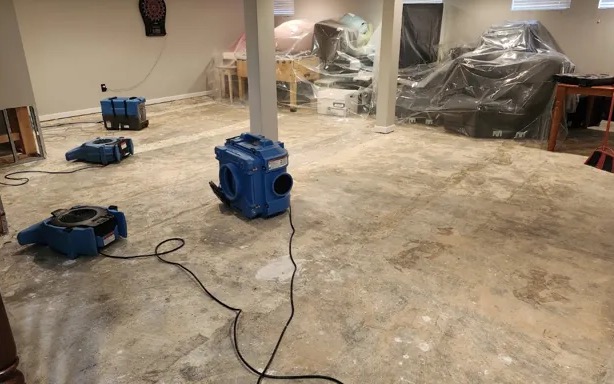
Detailed Smoke Damage Assessment in Pine Hill, Connecticut
After a fire in Pine Hill, smoke works deep into building cavities and contents. A professional assessment protects health and property value, since hidden soot causes slow damage and odors that keep coming back.
Homes in Pine Hill and nearby areas like Brooklyn, Bucks Hill and East End often need a detailed assessment after smoke damage. Local fire restoration pros evaluate soot on contents, the structure and air quality, including odor sources and HVAC systems, to plan a full recovery.
Comprehensive Smoke Damage Assessment for Pine Hill
HVAC System Smoke Contamination Check
Soot coats duct interiors and coils and keeps releasing odor. Pros inspect the whole system to set the cleaning needed in the Pine Hill community in Waterbury.
Structural Smoke Inspection
Smoke gets into small openings. Inspectors look for soot inside outlets and behind baseboards in homes in Pine Hill.
Soot Damage Assessment for Contents
Pros decide which items can be cleaned on-site, which go off-site and which cannot be saved, with photos and notes for insurance.
Post-Fire Surface Damage Evaluation
Testing shows whether residue sits on the surface and can be cleaned or has caused deeper damage that needs repair.
Smoke Odor Source Detection
Pros locate the places where smoke odor is stored, such as insulation, HVAC ducts and porous materials, so treatment targets the source.
Indicators That Require a Professional Smoke Damage Assessment
Ash Residue on Furniture and Fixtures
A fine ash layer or sticky film on furniture and fixtures means smoke particles have settled on them.
Discolored Fabrics and Window Treatments
Stained curtains, upholstery or carpet with a lasting odor have absorbed smoke.
Discolored or Dulled Paint and Varnish
Paint or finishes that look yellowed or dulled are often damaged by acidic soot.
Metallic or Electrical Smoke Smell
A sharp, acrid smell near appliances or wiring suggests smoke from an electrical fire.
How Smoke Damage Assessment Works in Pine Hill
Step 1: Smoke Odor Source Detection
Pros start by finding where odor is trapped, using thermal imaging and other tools to locate hidden areas.
Step 2: Smoke Residue Testing
Residue samples show whether soot is dry, wet or oily, which decides the cleaning methods.
Step 3: Post-Fire Surface Damage Evaluation
All surfaces are checked for staining, etching or corrosion caused by acidic smoke particles.
Step 4: HVAC System Smoke Contamination Check
Pros inspect ducts, coils and filters so the system does not spread soot after cleaning.
Primary Sources of Soot Contamination and Assessment
Improper Post-Fire Ventilation
Poor ventilation after a fire lets residue settle and bond more firmly to surfaces.
Pressure Changes During the Fire
Pressure changes during a fire push smoke into closed cabinets, drawers and wall cavities.
High Heat Driving Smoke Into Materials
High heat forces smoke particles into the smallest pores of walls, floors and furniture.
Incomplete Combustion From Smoldering
Smoldering fires produce large amounts of smoke that soak deep into porous materials.
Complete Smoke Damage Assessment for All Properties in Pine Hill
Residential Smoke Damage Assessment
Home assessments often find smoke in closets and between floorboards, and residue testing then sets the right cleaning method.
Commercial Smoke Damage Assessment
Warehouses need checks of high ceilings, racks and wiring for corrosive residue that could cause equipment failures later.
Calling Fire Restoration Pros for Your Smoke Damage Assessment in Pine Hill
After a very small, contained fire, you may clean glass, metal and ceramic with suitable cleaners once the house is safe to enter. Smoke in the HVAC system, walls or insulation needs professional inspection.
Evaluating Smoke Damage Assessment Cost for Pine Hill Properties
Cost depends on the type of smoke and how many rooms need inspection. Odors from burned synthetic materials can add time.
Odor Severity
Strong, lasting odors need advanced detection methods to trace them to the source.
Surface Types
Delicate surfaces like stone or fine wood need special inspection methods and care.
Smoke Penetration Depth
Soot deep in walls or ducts needs more testing to find odor sources.
Does Insurance Cover Smoke Damage Assessment?
Insurance may cover the assessment if your policy includes fire damage. The pros document contents and HVAC contamination, and odor removal coverage varies by plan.
Why Choose Local Pros for Smoke Damage Assessment in Pine Hill
Content Damage Analysis
Belongings are inspected to decide what can be cleaned and what needs other care.
Around-the-Clock Initiation
An assessment from the pros help prevent more damage while cleanup is planned.
HVAC System Evaluation
Smoke moves through ducts, so the HVAC system is checked as part of every assessment.
24/7 Emergency Smoke Damage Assessment in Pine Hill
A fire can leave hidden soot and odor problems. Call (475) 242-0613 any time for an urgent assessment in Pine Hill so the next steps can be planned.
Call Now (475) 242-0613Smoke Damage Assessment Coverage Area Including Pine Hill
Each place listed below has its own page with local details.
- Smoke Damage Assessment in Brooklyn
- Smoke Damage Assessment in Bucks Hill
- Smoke Damage Assessment in East End
- Smoke Damage Assessment in North End
- Smoke Damage Assessment in Robinwood
- Smoke Damage Assessment in Bunker Hill
- Smoke Damage Assessment in Hillside Historic District
- Smoke Damage Assessment in Overlook
Your Smoke Damage Assessment Questions Addressed
What is the goal of smoke odor source detection?
To find where smoke smells come from, which is essential for planning odor removal that lasts.
How does emergency smoke damage tarping help?
Tarping secures the house against weather after a fire, giving a safe, controlled space for the assessment.
Can assessment determine if contents are salvageable?
It gives a first evaluation, but final decisions often come after professional cleaning is tried.
What does a smoke damage assessment involve?
A visual inspection, residue testing, structural inspection and often air testing to document all soot and odor damage.
Is smoke residue testing necessary?
Yes. Knowing the type of residue tells pros which cleaning methods will work without causing damage.