South End, CT · New Haven County
Full Structural Restoration in South End, CTStructural Water Damage Repair & Foundation Water Restoration
Full Structural Restoration in South End covers structural water damage repair, foundation water restoration and wall framing drying services.
Answered 24/7
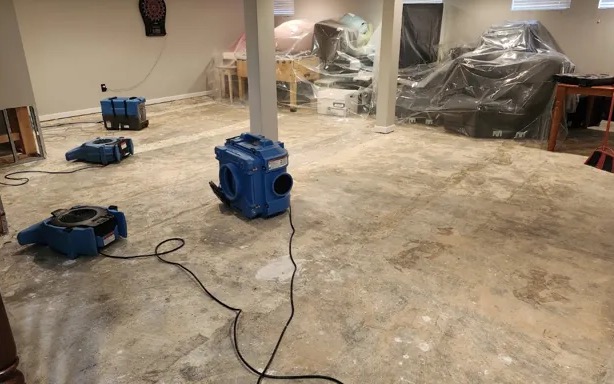
Professional Full Structural Restoration in South End, CT
In South End, full structural restoration is needed when water reaches the framing and foundation, cracking masonry and rotting wood.
In South End, the work covers foundation repairs and structural drying after water incidents. Homes in nearby places like Brooklyn, Bucks Hill and East End can get the same structural wood repairs. The local structural damage experts apply consistent, detailed protocols to every job.
Detailed Full Structural Restoration Services in South End, CT
Structural Water Damage Repair
Structural water damage repair in South End evaluates framing members for swelling or rot. Studs, joists and beams are repaired so they carry their loads again.
Foundation Water Restoration
Concrete holds water and releases it slowly. Experts check for moisture and mold in slabs and foundation walls and dry them so the problem does not return.
Wall Framing Drying Services
Wet wall studs are common after water events. Services involve removing drywall to access the framework. Pros then direct high-velocity air and dehumidification into cavities.
Structural Moisture Removal
The experts evaluate load-bearing components for warping, decay, or mold growth. Compromised sections are carefully remediated or reconstructed. This work is foundational to any full structural restoration project.
Post-Flood Structural Repair
Flooding applies hydrostatic pressure and leaves silt. Post-flood structural repair cleans and dries the framework before rebuilding. The experts may replace contaminated or compromised wood sections to restore a safe, habitable home.
Indicators of Structural Water Damage in South End
Bowed or Warped Walls
Visible bowing or warping indicates water has compromised the structural integrity of wall framing, requiring immediate assessment.
Doors and Windows Sticking
Doors and windows that stick or won't close properly often mean the structural wood framing has swollen.
Wall Framing Soft to Touch
Drywall or plaster that feels soft or damp means the framing behind it is likely wet and needs drying.
Post-Flood Visible Wood Rot
Discolored, soft or crumbling wood after a flood needs to be checked to see whether it can be dried or must be replaced.
How Full Structural Restoration Works in South End
Step 1: Detailed Moisture Mapping
The specialists use thermal imaging and moisture meters to create a precise map of all wet structural components needing drying.
Step 2: Aggressive Structural Drying
An array of desiccant and LGR dehumidifiers is deployed for structural drying and dehumidification of enclosed spaces like wall and floor cavities.
Step 3: Load-Bearing Component Evaluation
Each load-bearing wall, beam, and column is individually evaluated for strength loss to guide specific load-bearing wall restoration work.
Step 4: Repair and Reinforcement Execution
Necessary repairs, from foundation water restoration to sistering joists, are completed using IICRC-standard methods to finalize the structural restoration.
Common Causes of Structural Water Damage in South End
Poor Drainage and Grading Issues
Improper yard grading directs water toward the foundation, a common cause of structural moisture removal projects.
Natural Disaster Impact
Events causing significant water intrusion, such as pipe bursts or appliance failures, necessitate a thorough structural damage assessment for the safety of the building's framework.
Major Plumbing System Failures
Burst supply lines or drain pipe failures can flood a structure, saturating load-bearing walls and floor systems.
HVAC Condensation Drain Blockages
Clogged condensate drains cause overflow that can drip into wall cavities and ceiling joists unnoticed.
Full Structural Restoration for South End Residences and Stores
Residential Full Structural Restoration
In homes, structural water damage repair focuses on restoring the safety of living spaces. The pros address sagging floors, compromised wall studs, and wet attic framing to protect your family and property value.
Commercial Full Structural Restoration
For businesses, foundation and load-bearing wall repairs keep the building open. The specialists secure the building and keep people safe while downtime stays short. They document all damage thoroughly for commercial insurance claims.
Hiring Structural Damage Experts for Full Structural Restoration in South End vs. Doing It Yourself
You can communicate clearly with your insurer, providing your initial documentation and notes. Discuss your policy's coverage for structural water damage repair. The final scope and approval, however, depend on the insurer's review of the detailed assessment performed by the experts.
Estimating Full Structural Restoration Expenses in South End
The price for full structural restoration in South End reflects the scale of the damage and the materials needing repair. Structural water damage repair requires specialized drying equipment and skilled labor.
Scope of Deconstruction
The amount of drywall, flooring, or insulation that must be removed to access and dry structural elements influences the project's labor intensity.
Material Replacement Needs
Costs rise if structural components like wall studs or floor joists are unsalvageable and require full replacement with new, code-compliant materials.
Local structural damage experts Labor Rates
The prevailing rates for the specialists in the Connecticut area are a component of the final service estimate.
Does Insurance Cover Full Structural Restoration?
Coverage for full structural restoration depends on the homeowner's specific policy. The experts document all damage with photos and moisture readings for the claim, but the final coverage decision belongs solely to the insurer.
Why Choose Local Experts for Full Structural Restoration in South End
Precision Framing Repair
Framing and joists are dried and restored to their original load-carrying capacity.
Foundation Restoration Focus
Attention to foundation water restoration helps prevent long-term settlement issues and preserves the stability of the entire structure above.
IICRC-Standard Structural Drying
Industry drying standards make sure no hidden moisture is left in framing and joists.
Emergency Response for Full Structural Restoration in South End
A burst pipe or major leak needs emergency structural repair. Get help from the specialists by calling (475) 242-0613 now.
Call Now (475) 242-0613Full Structural Restoration Available Throughout New Haven County
Each place listed below has its own page with local details.
- Full Structural Restoration in Brooklyn
- Full Structural Restoration in Bucks Hill
- Full Structural Restoration in East End
- Full Structural Restoration in North End
- Full Structural Restoration in Pine Hill
- Full Structural Restoration in Bunker Hill
- Full Structural Restoration in Hillside Historic District
- Full Structural Restoration in Overlook
FAQs on Full Structural Restoration Processes and Timelines
Are special methods used for structural water damage repair?
Yes, methods include cutting access openings, building drying chambers and using industrial equipment for dense, waterlogged materials.
Can water-damaged load-bearing walls be saved?
Often yes, through professional load-bearing wall restoration involving careful drying and sistering new studs to damaged ones. A structural damage assessment determines if full replacement is necessary.
What is the first step after discovering structural damage?
Call for emergency water extraction first, then book a structural assessment to plan the repairs.
What is involved in full structural restoration?
The process includes a structural integrity assessment, industrial drying and dehumidification of framing and joists, and the repair or replacement of compromised load-bearing components to restore safety.
What are signs of hidden structural water damage?
Warped floors, sticking doors, cracks emanating from corners, and a musty smell can indicate moisture within wall cavities or floor systems, requiring investigation by the professionals.