East End, CT · New Haven County
Full Structural Restoration in East End, CTStructural Moisture Removal & Foundation Water Restoration
In East End, Full Structural Restoration includes structural water damage repair, foundation water restoration, and wall framing drying services.
Answered 24/7
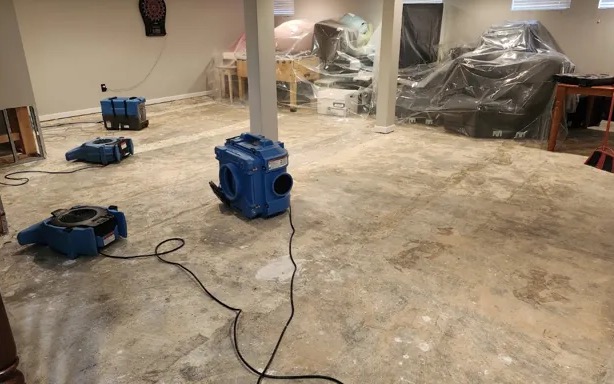
Understanding Full Structural Restoration in East End, Connecticut
In the East End community in Waterbury, water weakens supports over time, so repairs should start early. The local structural repair specialists tackle it by implementing a phased plan: initial assessment, aggressive structural drying and dehumidification, and then precise reconstruction of damaged elements.
In East End, structural repairs often follow plumbing failures or storms. Nearby places like Brooklyn, Bucks Hill and North End also rely on these expert services to maintain property integrity. The specialists prioritize thorough drying before any reconstruction begins.
Full Structural Restoration Solutions for East End Properties
Structural Moisture Removal
Water-damaged studs and beams often need targeted repair. The specialists dry what can be saved and replace wood that has rotted or swollen.
Foundation Water Restoration
Water seeping into foundations causes erosion and cracks. Restoration involves specialized drying equipment in crawl spaces. Pros monitor humidity until concrete is thoroughly dry.
Load-Bearing Wall Restoration
Repairs return the wall to its original load capacity. Experts inspect for twisting or bowing in structural members. Repair can include adding steel brackets or replacing frame sections.
Wall Framing Drying Services
Wall framing drying services target wet wooden or metal studs inside walls. The pros create drying chambers and inject dry air. This saves framing and avoids full wall replacement.
Floor Joist Repair Services
Water-damaged floor joists are reached by removing subfloor sections if needed. The wood is cleaned, dried and treated before it is repaired or replaced.
How to Know If You Need Full Structural Restoration in East End
Ceiling Sag or Beam Deflection
A sagging ceiling or visibly bending beam is a clear warning of structural integrity restoration urgency.
Foundation Wall Efflorescence
White, chalky residue on foundation walls means water is seeping through the concrete.
Post-Flood Visible Wood Rot
Discolored, soft or crumbling wood after a flood needs to be checked to see whether it can be dried or must be replaced.
Cracks in Load-Bearing Walls
New or expanding cracks in foundation walls or load-bearing walls signal serious structural stress from moisture saturation.
How Full Structural Restoration Works in East End
Step 1: Detailed Moisture Mapping
The specialists use thermal imaging and moisture meters to create a precise map of all wet structural components needing drying.
Step 2: Aggressive Structural Drying
An array of desiccant and LGR dehumidifiers is deployed for structural drying and dehumidification of enclosed spaces like wall and floor cavities.
Step 3: Load-Bearing Component Evaluation
Each load-bearing wall, beam, and column is individually evaluated for strength loss to guide specific load-bearing wall restoration work.
Step 4: Repair and Reinforcement Execution
Necessary repairs, from foundation water restoration to sistering joists, are completed using IICRC-standard methods to finalize the structural restoration.
Common Causes of Structural Water Damage in East End
Major Plumbing System Failures
Burst supply lines or drain pipe failures can flood a structure, saturating load-bearing walls and floor systems.
Firefighting Water After a Blaze
The substantial water used to extinguish fires soaks structural members, demanding post-fire structural drying methods.
Sewage Backup or Clean Water Infiltration
Sewer backups or sump pump failures flood basements, damaging structural posts and foundational elements.
Appliance Leaks or Malfunctions
Water heater ruptures or washing machine hose failures release large volumes, compromising structural wood near utilities.
Full Structural Restoration for Homes and Businesses in East End
Residential Full Structural Restoration
In older houses, restoring structural wood like beams and posts also preserves the home's character. The specialists use lumber that fits the original sizes and specifications.
Commercial Full Structural Restoration
Office parks and medical facilities need structural repairs that meet current code. The experts also dry the electrical, plumbing and HVAC runs inside the walls.
Hiring Structural Repair Specialists for Full Structural Restoration in East End vs. Doing It Yourself
You can safely document the damage for insurance by taking clear photos and videos from a safe distance. Note any visible cracks, sagging, or water stains. However, avoid touching or applying pressure to compromised structural elements and call the specialists for a full structural restoration assessment.
Understanding Full Structural Restoration Cost in East End
Building structure repair expenses consider the accessibility of damaged areas, such as floor joists and wall framing, and the required drying time.
Contamination Level
Post-flood structural repair for category 2 or 3 water involves additional safety protocols and cleaning, increasing the overall restoration effort.
Project Complexity
Hard-to-reach structural wood and foundation repairs take more time and add to the cost.
Required Drying Time
Structural drying and dehumidification processes must run until materials reach a specific moisture content, affecting equipment rental duration and energy use.
Does Insurance Cover Full Structural Restoration?
Coverage for full structural restoration depends on the homeowner's specific policy. The specialists document all damage with photos and moisture readings for the claim, but the final coverage decision belongs solely to the insurer.
Why Choose Local Specialists for Full Structural Restoration in East End
Post-Flood Structural Protocols
Specific procedures for post-flood structural repair address contamination and saturation levels to safely restore the building's framework.
Thorough Dehumidification Process
Industrial dehumidifiers lower the ambient humidity to properly dry dense structural materials like framing lumber, preventing warping and mold.
Precision Framing Repair
Framing and joists are dried and restored to their original load-carrying capacity.
Urgent Full Structural Restoration Available in East End Day or Night
After a flood, structural drying should start as soon as possible to save the framing. Call the pros at (475) 242-0613 for emergency drying in East End.
Call Now (475) 242-0613Full Structural Restoration Available Throughout New Haven County
The places below are also served, and each one has its own page.
- Full Structural Restoration in Brooklyn
- Full Structural Restoration in Bucks Hill
- Full Structural Restoration in North End
- Full Structural Restoration in Pine Hill
- Full Structural Restoration in Robinwood
- Full Structural Restoration in Bunker Hill
- Full Structural Restoration in Hillside Historic District
- Full Structural Restoration in Overlook
Common Full Structural Restoration Questions Answered
What is the focus of building structure repair?
It focuses on the foundation, framing, joists and beams, making sure they are dry and can carry their loads.
How long does structural drying and dehumidification take?
Drying dense structural wood like floor joists and wall framing typically takes several days, monitored with moisture meters until materials reach a dry standard to prevent future rot.
How does restoring structural wood prevent mold?
By rapidly reducing the moisture content of wood framing and joists below the threshold that supports mold growth, professional drying eliminates the primary condition mold needs to develop.
What is involved in full structural restoration?
The process includes a structural integrity assessment, industrial drying and dehumidification of framing and joists, and the repair or replacement of compromised load-bearing components to restore safety.
Can water-damaged load-bearing walls be saved?
Often yes, through professional load-bearing wall restoration involving careful drying and sistering new studs to damaged ones. A structural damage assessment determines if full replacement is necessary.