South End, CT · New Haven County
Drywall Water Damage Repair in South End, CTDrywall Water Stain Removal & Ceiling Water Damage Repair
Drywall Water Damage Repair in South End includes drywall leak repair, ceiling water damage repair and drywall water extraction.
Answered 24/7
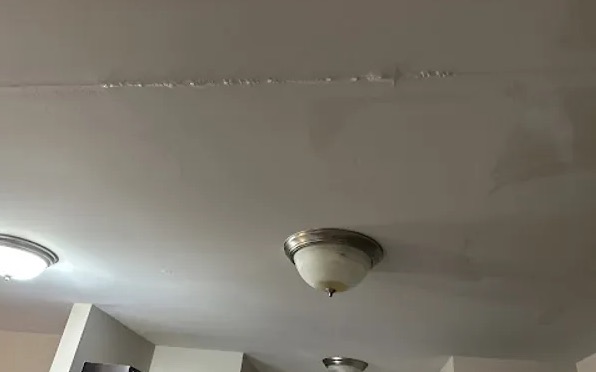
Professional Drywall Water Damage Repair in South End, CT
Ceiling drywall in South End can hold a surprising amount of water before it sags. Once it bulges, it can fall without warning.
For homes in South End, part of Waterbury, drywall damage from attic AC overflows and bathroom leaks is common. Help with drywall water damage repair covers South End, Brooklyn, Bucks Hill and East End.
Comprehensive Drywall Water Damage Repair in South End
Drywall Water Stain Removal
Drywall that is firm and only stained can often be sealed and painted instead of replaced.
Ceiling Water Damage Repair
Ceiling patches need careful finishing so they do not show under light. Texture and paint are blended with the surrounding ceiling.
Wet Drywall Removal
Moisture readings show how high water wicked up the wall. The cut is made just above that line, which keeps the patch as small as possible.
Drywall Leak Repair
Once the leak is fixed and the cavity is dry, new drywall is hung, taped and finished to match the wall.
Emergency Drywall Water Repair
Fast action can mean drying drywall in place instead of replacing it, which keeps repairs smaller.
Indicators of Drywall Water Damage Repair in South End
Bubbling Drywall Texture
Wall or ceiling texture that bubbles or flakes off has moisture behind it.
A Musty or Moldy Odor
A musty smell near a wall or ceiling often means wet drywall, insulation or framing inside.
Cracked or Crumbling Drywall
Drywall that cracks or crumbles at the base has been soaking up water from the floor.
Soft or Sagging Drywall
Drywall that feels soft or sags has absorbed water and lost strength, and it usually needs to be cut out.
How Drywall Water Damage Repair Works in South End
Step 1: Moisture Assessment and Documentation
Photos and readings record the wet area before any drywall is removed.
Step 2: Targeted Drywall Drying
Dehumidifiers and air movers dry the wall, with readings taken every day until normal.
Step 3: Removal of Non-Restorable Drywall
Drywall that stays soft or stained after drying is cut out and bagged.
Step 4: Reinstallation and Cosmetic Restoration
New drywall goes in, and paint is blended so the repair matches the room.
Frequent Sources of Drywall Water Damage in South End
Appliance Malfunctions and Overflows
Washers, dishwashers and water heaters leak onto floors and wick water up nearby walls.
HVAC Condensation and Drain Issues
AC drain lines and pans overflow into closets and soak ceilings below attic units.
Foundation Cracks and Water Seepage
Cracks in foundation walls let groundwater wick into the bottom of drywall on lower floors.
Sprinkler System Misalignment
Lawn sprinklers that spray against the house can soak exterior walls and the drywall inside.
All Property Types for Drywall Water Damage Repair in South End
Residential Drywall Water Damage Repair
Families can usually use the room again soon after drying, with finishing work done in a day or two.
Commercial Drywall Water Damage Repair
Restaurants and medical offices need drywall work contained behind plastic sheeting to keep dust away from food areas and patients.
Calling Local Pros for Drywall Water Damage Repair in South End
You can shut off the water, move furniture away from the wall and take photos. Drying the cavity behind wet drywall needs moisture meters and equipment.
Estimating Drywall Water Damage Repair Expenses in South End
Insulation replacement, antimicrobial treatment, texture matching and after-hours calls all add to the total for drywall water damage repair in South End.
Drywall Leak Complexity
Leaks that are hard to trace, like roof water running down a wall, take more inspection time.
Material Replacement Scope
The more drywall and insulation that must be replaced, the more material and labor the job needs.
Ceiling Repair Difficulty
Ceiling repairs take more work than wall repairs, especially with texture or high ceilings.
Does Insurance Cover Drywall Water Damage Repair?
Photograph the stained or damaged drywall before repairs begin, and keep receipts for emergency drying, drywall removal and any painting.
Why Choose Local Pros for Drywall Water Damage Repair in South End
Drying Process
Walls are dried, repaired and finished in order, so moisture is never sealed in.
Proactive Mold Prevention
Studs and drywall that stayed wet can be treated with an antimicrobial after drying.
Ceiling Repair
Ceiling drywall is drained, removed, dried and rebuilt with texture matched to the room.
South End Emergency Drywall Water Damage Repair Assistance
Water running down a wall or ceiling in South End? Shut off the water, move belongings and call (475) 242-0613. Help is available 24/7.
Call Now (475) 242-0613Local Drywall Water Damage Repair Areas Including South End
Each place listed below has its own page with local details.
- Drywall Water Damage Repair in Brooklyn
- Drywall Water Damage Repair in Bucks Hill
- Drywall Water Damage Repair in East End
- Drywall Water Damage Repair in North End
- Drywall Water Damage Repair in Pine Hill
- Drywall Water Damage Repair in Bunker Hill
- Drywall Water Damage Repair in Hillside Historic District
- Drywall Water Damage Repair in Overlook
Drywall Water Damage Repair in South End: Your Questions
What is the goal of drywall leak repair?
To fix the source of the water, dry the wall and replace damaged drywall so the wall stays dry.
How long does wet drywall repair take?
Drying often takes a few days. Hanging, taping, texturing and painting usually take a few more.
Why is drywall water damage cleanup a multi-step process?
The leak, the cavity and the drywall each need attention in order, or moisture gets sealed inside.
Does drywall water stain removal always work?
On firm, dry drywall, stain-blocking primer and paint usually work. Soft or still-wet drywall needs drying or replacement first.
What happens during wet drywall removal?
The wet section is cut out above the wet line, wet insulation is removed and the cavity is opened to dry.