Milford, CT · New Haven County
Wall Mold Removal in Milford, CTWallpaper Mold Remediation & Mold Prevention Treatments
Address wall mold removal in Milford with services like mold spore air scrubbing, wall cavity mold remediation, and bathroom wall mold cleanup.
Answered 24/7
Professional Wall Mold Removal for Milford Homes
Toxic mold removal protocols are strictly followed by professionals to protect occupants in Milford. This involves advanced containment and air filtration to prevent cross-contamination during work.
In Milford, professional mold on walls removal prevents long-term structural issues. Local mold remediation pros consider wall mold removal cost factors, prioritizing efficient remediation to minimize future repairs. This also serves nearby areas like Stratford, West Haven and Shelton.
Scope of Wall Mold Removal Work
Wallpaper Mold Remediation
Remediating mold under wallpaper is a delicate process. The pros use steam or enzymatic solutions to loosen adhesive, minimize damage to the wall, and ensure complete access to the mold colony for effective treatment and removal.
Mold Prevention Treatments
Prevention treatments are a final defense. These sealants and coatings are applied to structural wood and clean drywall after remediation, offering long-term protection against future mold growth in the treated areas of your Milford residence.
Black Mold Removal
Suspected black mold warrants a professional approach. The pros use personal protective equipment and engineering controls to safely remove the mold colony, then perform post-remediation verification to confirm the air is safe.
Mold Damaged Paint Removal
Mold can grow on and behind painted surfaces. Removing mold-damaged paint involves scraping, sanding with HEPA-filtered equipment, and applying a mold-killing primer before repainting. This ensures the new paint adheres to a clean, stable surface.
Mold Spore Air Scrubbing
During mold removal, spores become airborne. The pros use industrial-grade air scrubbers with HEPA filters to continuously clean the air, capturing over 99.97% of particles to protect uncontaminated areas and improve indoor air quality.
Signs of Mold Growth on Your Walls
Health Symptoms in Pets
If pets show lethargy or respiratory distress, consider hidden mold sources in your home's walls and schedule a mold inspection.
Condensation on Interior Walls
Excess moisture beading on cold walls creates the perfect environment for mold, highlighting a need for mold prevention treatments.
New or Worsening Allergies
Unexplained respiratory issues, sneezing, or itchy eyes at home can be caused by airborne mold spores from wall growth.
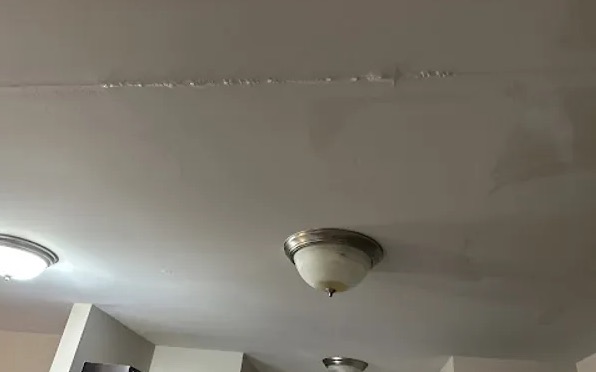
Peeling Paint or Wallpaper
Bubbling or peeling finishes are common symptoms of moisture and mold damage underneath, a clear sign you need professional help.
How Wall Mold Removal Works in Milford
Step 1: Assessment and Moisture Mapping
The process starts by locating all moisture sources fueling the mold growth. This assessment determines the scope of work and potential wall mold removal cost.
Step 2: Black Mold Removal and Treatment
Using personal protective equipment, pros physically remove all mold-infested materials like drywall or wallpaper. Cavities are then treated with EPA-registered antimicrobial agents.
Step 3: Mold Spore Air Scrubbing
High-efficiency particulate air scrubbers and negative air machines are deployed to filter the air, removing mold spores and ensuring professional mold remediation standards.
Step 4: Drying and Prevention Advice
Affected areas are thoroughly dried using industrial equipment. Before leaving, pros may offer guidance on mold prevention treatments to reduce future risk.
Common Sources of Wall Mold Growth
Faulty or Clogged Gutters
Gutters that overflow can saturate exterior walls, allowing water to seep inside and cause mold on walls removal scenarios.
Drying Wet Clothes Indoors
Hanging wet laundry inside significantly increases room humidity, which can deposit moisture on walls and encourage mold development.
Flooding or Spill Oversights
Incomplete drying after any water event leaves moisture trapped behind drywall, creating a perfect habitat for toxic mold removal needs.
Landscaping Grading Issues
Soil sloping toward the foundation directs groundwater against basement or crawlspace walls, promoting moisture and mold growth inside.
Residential and Commercial Wall Mold Solutions
Residential Wall Mold Removal
Mold on interior walls in homes threatens structure and air quality. The experts conduct mold spore cleanup and drywall mold treatment to eliminate odors and visible growth.
Commercial Wall Mold Removal
Office buildings and schools need discreet, effective mold solutions. The approach combines moisture mapping, professional mold remediation of affected walls, and HVAC cleaning to ensure a safe environment.
Hiring Mold Remediation Pros vs. DIY Mold Removal
Safely move furniture away from damp walls to improve air circulation. Do not attempt black mold removal from walls yourself, as improper handling risks health and cross-contamination throughout your home.
Investing in Professional Wall Mold Removal
The pros in Milford provide estimates based on the mold remediation process your home requires. The cost to remove mold from drywall is different from treating mold behind wallpaper or addressing widespread spore contamination throughout a room.
Post-Remediation Verification
A final mold inspection and testing by a third party to confirm successful cleanup is a common project closure step.
Air Quality Restoration
Mold spore air scrubbing with industrial HEPA filters is often necessary to clean the air, adding equipment and time expenses.
Accessibility Challenges
Mold in tight wall cavities or behind finished surfaces requires more time and careful demolition for proper access and treatment.
Does Insurance Cover Wall Mold Removal?
Homeowners insurance often requires proof mold stemmed from a sudden, covered water incident. Documentation from the pros detailing the source and extent is essential for the claim. The insurer makes the final determination on payout.
The Value of Professional Mold Remediation
Safety-Oriented Demolition
Careful access into wall cavities minimizes dust and disturbance, allowing for effective wall cavity mold remediation when needed.
Antimicrobial Application
After removal, approved antimicrobial solutions are applied to cleaned framing and surfaces to inhibit future mold growth.
HEPA Filtration Air Scrubbing
Industrial air scrubbers with HEPA filters run continuously to remove airborne mold spores during and after the removal process.
24/7 Emergency Help for Wall Mold Removal
Active mold growth requires immediate attention. For urgent wall mold removal in Milford, contact the pros for professional help. Call (475) 242-0613 anytime to discuss the situation and schedule a prompt assessment.
Call Now (475) 242-0613Wall Mold Removal FAQs for Milford Homeowners
What causes mold to grow on interior walls?
The primary cause is excess moisture. This can come from plumbing leaks, roof leaks, high indoor humidity, condensation on cold surfaces, or water intrusion from outside due to faulty seals or drainage.
What is involved in wall cavity mold remediation?
This involves creating access to the cavity, often by removing drywall, inspecting and cleaning or removing insulation, treating the interior framing with antimicrobial solutions, and ensuring the space is completely dry before sealing it back up.
What are mold prevention treatments applied after removal?
These are EPA-registered antimicrobial coatings applied to cleaned, dry surfaces like wall studs and subflooring to inhibit future fungal growth. They are part of a complete strategy that includes moisture control.
Why is mold spore air scrubbing necessary during remediation?
Air scrubbing with HEPA filters is critical to capture airborne mold spores stirred up during removal work, preventing them from settling and causing new growth in other areas of your home after the main cleanup.
Is mold testing required before starting wall mold removal?
While not always required, a mold inspection and testing can identify the types of mold present and the spore count in the air, which helps in planning the appropriate remediation scope and safety measures.