Bucks Hill, CT · New Haven County
Hardwood Floor Water Damage Restoration in Bucks Hill, CTEmergency Floor Water Removal & Flooded Hardwood Floor Cleanup
Hardwood Floor Water Damage Restoration in Bucks Hill starts with hardwood floor drying services, water damaged subfloor repair, and hardwood floor moisture inspection.
Answered 24/7
Get Hardwood Floor Water Damage Restoration Help in Bucks Hill, Connecticut
Water intrusion on hardwood floors in Bucks Hill can quickly lead to irreversible damage like warping, cupping, and mold growth beneath the surface. The porous nature of wood absorbs moisture, compromising structural integrity and indoor air quality if not addressed correctly.
Addressing hardwood water damage repair in Bucks Hill and nearby Brooklyn, East End and North End involves understanding how moisture interacts with home materials. Local moisture remediation specialists in Bucks Hill use industrial dehumidifiers and air movers to dry floors thoroughly, preventing secondary damage like staining or mold that can follow water events.
Comprehensive Hardwood Floor Water Damage Restoration Solutions
Emergency Floor Water Removal
Water has to come up fast before the wood absorbs it. The specialists prioritize calls where wood flooring is at risk.
Flooded Hardwood Floor Cleanup
After a flood, dirt and residue are cleaned off the wood with gentle methods that protect the finish and grain.
Water Damaged Subfloor Repair
A damaged subfloor must be repaired before the hardwood can be restored. Experts use moisture meters and probes to assess damage to plywood or OSB subflooring.
Hardwood Floor Mold Prevention
Preventing mold begins with water removal and thorough drying. Specialists may treat the area with solutions designed to discourage mold on the wood.
Wood Floor Warping Repair
Repairing warped floors involves techniques to flatten and secure boards. Local specialists assess if wood can be salvaged through controlled re-drying, sanding, and re-fastening.
Warning Signs You Need Hardwood Floor Water Damage Restoration
Floorboard Separation
Individual boards pulling away from each other or from the wall molding. This separation is a direct result of wood floor moisture damage and swelling.
Gaps Between Floorboards
New or widening gaps between boards show the floor got wet and has dried unevenly.
Excessive Humidity in Room
A consistently damp feeling in the air near the floor suggests evaporation from a wet subfloor. This environment perpetuates hardwood floor water damage.
Finish Blistering or Peeling
The protective topcoat bubbles, cracks, or lifts off the wood surface. This occurs when water gets beneath the finish, compromising its bond.
How Hardwood Floor Water Damage Restoration Works in Bucks Hill
Step 1: Source Stop and Surface Extraction
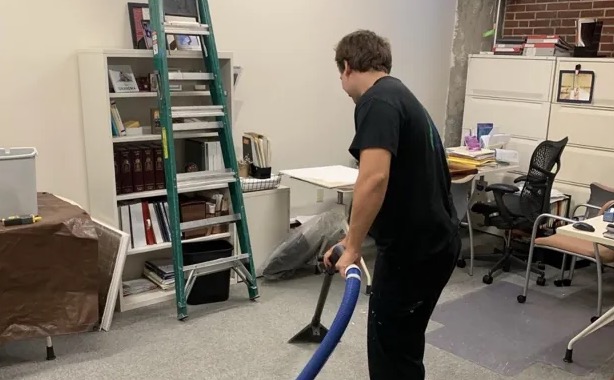
The first action is to secure the leak source and perform floor water extraction from the hardwood surface. This keeps more water from reaching the floor.
Step 2: Comprehensive Moisture Mapping
Using non-invasive meters, pros create a detailed map of moisture content throughout the affected area. The inspection sets the repair plan.
Step 3: Advanced Drying Technology Deployment
Drying systems, including subfloor injection systems, remove the moisture. This technology accelerates the hardwood floor drying timeline significantly.
Step 4: Repair Planning and Documentation
With the floor dry, pros document the condition with photos and readings for your records. They then outline options for wet wood floor repair, from spot fixes to sectional replacement.
What Causes Water Damage to Hardwood Floors
HVAC Condensation Issues
Clogged drain lines or excessive humidity from air conditioning units can drip onto floors. This causes localized hardwood floor moisture damage over time.
Faulty or Missing Vapor Barrier
In installations over concrete, a failed moisture barrier allows ground vapor to rise into the wood.
Appliance Leaks or Overflows
Slow leaks from dishwashers, washers, refrigerators or water heaters can soak nearby hardwood until it starts to buckle.
Foundation or Slab Leaks
Groundwater or hydrostatic pressure can force moisture up through a concrete slab, wicking into wood floors.
Residential and Commercial Hardwood Floor Water Damage Restoration in Bucks Hill
Residential Hardwood Floor Water Damage Restoration
Family homes need safe, thorough restoration after incidents like water heater leaks damage bedrooms or dens. The work includes repair, drying and documentation for insurance claims.
Commercial Hardwood Floor Water Damage Restoration
Gyms, studios and dance halls need their floors dried properly to stay safe to use. Hardwood Floor Water Damage Restoration here focuses on warping repair and moisture remediation to restore the floor's flatness and functionality for users.
Why DIY Hardwood Floor Water Damage Often Fails
Monitor the area for changes like new gaps, raised edges, or odors in the days following a small water incident. Minor cupping may lessen as the wood dries evenly.
Hardwood Floor Water Damage Restoration Cost in Bucks Hill, CT
In Bucks Hill, cost depends on the response time, the water source and the size of the flooded area.
Hardwood Floor Type
Engineered versus solid hardwood, along with the finish and age, can affect the complexity and methods needed for proper water damage repair.
Warping and Buckling Repair
Correcting severe wood floor warping or buckling often involves specialized repair techniques that impact the labor and material costs.
Subfloor Condition
If water has reached and damaged the subfloor, the project expands to include subfloor repair, which adds to the overall restoration effort.
Does Insurance Cover Hardwood Floor Water Damage Restoration?
Coverage for hardwood floor water damage restoration depends entirely on your specific homeowners or flood insurance policy and the cause of the water loss. You should confirm details with your insurance provider directly.
Advantages of Hiring Moisture Remediation Specialists for Hardwood Floor Water Damage Restoration
Comprehensive Flood Cleanup
The process includes cleaning and sanitizing affected hardwood floors once dry, addressing contaminants from the water source.
Detailed Damage Documentation
Photos and moisture level logs are compiled to create a clear record of the damage for your reference.
Subfloor Assessment and Repair
The subfloor is checked and repaired if water damaged it, giving the floor a solid base.
Urgent Hardwood Floor Water Damage Restoration Help Day or Night
Emergency hardwood floor water damage restoration is available day or night. To start the drying process and protect your floors, call the specialists in Bucks Hill at (475) 242-0613.
Call Now (475) 242-0613Hardwood Floor Water Damage Restoration Services Throughout New Haven County
The places below are also served, and each one has its own page.
- Hardwood Floor Water Damage Restoration in Brooklyn
- Hardwood Floor Water Damage Restoration in East End
- Hardwood Floor Water Damage Restoration in North End
- Hardwood Floor Water Damage Restoration in Pine Hill
- Hardwood Floor Water Damage Restoration in Robinwood
- Hardwood Floor Water Damage Restoration in Bunker Hill
- Hardwood Floor Water Damage Restoration in Hillside Historic District
- Hardwood Floor Water Damage Restoration in Overlook
Hardwood Floor Water Damage Restoration FAQ for Bucks Hill Homeowners
What are signs of hidden moisture in hardwood floors?
Signs of hidden moisture include a musty odor, slight discoloration of the wood, or flooring that feels spongy underfoot, all indicating the need for professional inspection.
Why is mold prevention important for wet wood floors?
Mold can start on damp wood within 24 to 48 hours and damage the floor further.
How is a hardwood floor moisture inspection conducted?
A hardwood floor moisture inspection uses penetrating and non-penetrating moisture meters to measure water content within the planks and the subfloor, creating a map of wet areas.
What happens during a post-restoration moisture inspection?
A post-restoration moisture inspection verifies that wood and subfloor moisture levels have returned to normal, dry standards, confirming the completion of the drying process.
What tools are used for floor water extraction?
Wet vacuums and extractors pull water off the surface and from between the planks.