Thomaston, CT · Litchfield County
Water-Damaged Flooring Removal in Thomaston, CTSubfloor Drying Services & Hardwood Floor Water Damage
Water-Damaged Flooring Removal in Thomaston includes wet carpet removal, hardwood floor water damage and subfloor drying services.
Answered 24/7
Local Water-Damaged Flooring Removal Solutions in Thomaston
Water under tile in Thomaston often hides out of sight. Grout and underlayment can stay wet long after the surface looks dry, which leads to loose tiles and subfloor rot.
In Thomaston, flooring replacement is common when materials cannot be saved. Pros decide whether carpet or wood can be dried or must be removed and dry the base before any rebuild.
Water-Damaged Flooring Removal for Properties in Thomaston
Subfloor Drying Services
A wet subfloor wicks water into walls and joists, so pros dry it fully before new flooring goes in.
Hardwood Floor Water Damage
Moisture meters map the damage, and boards that are too swollen or stained are removed carefully.
Wet Carpet Removal
Pros remove wet carpet and pad after appliance leaks or toilet overflows so water stops wicking into walls.
Laminate Flooring Removal
After a fridge or appliance leak, pros remove ruined planks and dry the subfloor underneath.
Emergency Floor Water Extraction
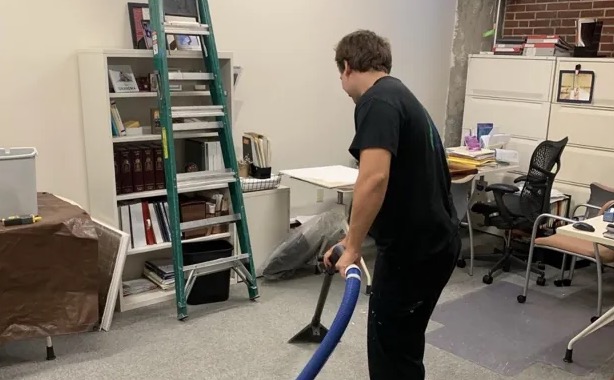
Truck-mounted or portable extractors remove standing water fast, which can reduce how much flooring must go.
Warning Signs You Need Water-Damaged Flooring Removal
Loose or Lifting Floor Tiles
Loose tiles or bubbling laminate planks show the adhesive or core has been weakened by water.
Gaps Between Floorboards
New gaps between floorboards can appear as wood shrinks after soaking up water.
Discolored or Stained Flooring
Dark stains on carpet, grout or wood show the floor has stayed damp for too long.
Laminate Flooring Edge Swelling
Swollen laminate edges are a clear sign the planks have absorbed water.
How Water-Damaged Flooring Removal Works in Thomaston
Step 1: Initial Assessment and Plan
Pros check the flooring type, water source and damage to plan removal and drying.
Step 2: Floor Water Extraction
Powerful vacuums extract standing water from surfaces and the layers beneath them.
Step 3: Damaged Flooring Demolition
Cupped hardwood, loose tile and other ruined materials are removed from the site.
Step 4: Achieve Dryness Standards
Drying continues until the subfloor and nearby materials meet accepted dry standards.
Common Causes of Water Damage in Thomaston
Sump Pump Failure in Basements
A failed or overwhelmed sump pump lets basement water rise and soak flooring.
Window and Door Seal Failure
Failed seals around windows and doors let rain and melting snow soak interior floors.
HVAC Condensate Drain Clogs
A clogged AC drain line can overflow and drip onto floors for weeks unnoticed.
Natural Flooding Events
Heavy rain or overflowing streams can push floodwater onto ground-floor flooring and rugs.
Water-Damaged Flooring Removal for Homes and Businesses in Thomaston
Residential Water-Damaged Flooring Removal
Homeowners need soaked carpet and pad removed and moisture under tile or vinyl checked to protect the home's value.
Commercial Water-Damaged Flooring Removal
Hotel corridors and leased offices often need laminate removed, with pros coordinating access and timing with the property managers.
Water-Damaged Flooring Removal vs. DIY: When to Call Water Damage Pros
When a roof leak drips onto hardwood, set out buckets, move furniture and wipe the surface dry. Do not sand swollen boards yourself; they need a professional assessment.
What Influences Water-Damaged Flooring Removal Pricing in Thomaston
Subfloor drying, antimicrobial treatment and a final moisture check all add to the overall project scope and cost.
Contamination Level
Floodwater with sewage or chemicals requires extra safety steps during the extraction.
Affected Square Footage
Larger wet areas need more labor time, hauling and disposal for the job.
Water Damage Severity
Heavily soaked materials or long-running leaks take more intensive extraction work and time.
Does Insurance Cover Water-Damaged Flooring Removal?
For laminate removal or subfloor drying, give your insurer the moisture readings and damage scope from the water damage pros. Coverage depends on your policy terms.
Why Choose Local Pros for Water-Damaged Flooring Removal in Thomaston
Proper Material Handling
Hardwood and tile are handled carefully so salvageable materials are not damaged further.
IICRC-Standard Drying Methods
Drying follows accepted industry methods so subfloors and nearby materials are fully dried.
Containment and Safety
Containment controls dust and debris during removal, protecting clean rooms in the house.
Emergency Water-Damaged Flooring Removal Response in Thomaston, CT
If an appliance leak has soaked your hardwood, call the experts at (475) 242-0613. Starting drying quickly gives the boards a much better chance of being saved.
Call Now (475) 242-0613Water-Damaged Flooring Removal in Thomaston and Other Areas Served
Other places served are listed below, each with its own page.
- Water-Damaged Flooring Removal in Plymouth
- Water-Damaged Flooring Removal in Terryville
- Water-Damaged Flooring Removal in Watertown
- Water-Damaged Flooring Removal in Oakville
- Water-Damaged Flooring Removal in Waterville
- Water-Damaged Flooring Removal in Woodbury Center
- Water-Damaged Flooring Removal in Woodbury
- Water-Damaged Flooring Removal in Cheshire
Water-Damaged Flooring Removal in Thomaston: Your Questions
What happens during subfloor drying services?
Air movers and dehumidifiers dry the wood subfloor after flooring removal, with readings until it is dry.
Does water always ruin a wood subfloor?
Not if it is dried promptly; proper drying can often save the subfloor and avoid replacing it.
What tools are used for floor water extraction?
Truck-mounted or portable extractors pull water from carpet and pad before any material is removed.
Are baseboards affected during this process?
Baseboards often absorb water and may need removal or drying to keep moisture from staying behind walls.
How do pros document damage for insurance?
Pros take detailed photos and moisture readings at several points and put them in a report for your claim.