Southbury, CT · New Haven County
Whole-Building Fire & Smoke Odor Removal in Southbury, CTOzone Treatment For Smoke Odor & Fire Damaged Material Removal
Whole-Building Fire & Smoke Odor Removal in Southbury covers electrostatic soot removal, fire damaged material removal, and whole-house air scrubbing.
Answered 24/7
Total Building Deodorization in Southbury, CT
Fire odor comes from acidic, oily, and protein residues, and each needs a different cleaning agent. One product used everywhere rarely gives a lasting result.
For homes in Southbury and nearby Heritage Village, Woodbury and Woodbury Center, treating the air alone is not enough because odor binds to surfaces. Local pros clean, deodorize, and then seal porous materials.
Detailed Whole-Building Fire & Smoke Odor Removal Procedures for Southbury
Ozone Treatment for Smoke Odor
Local smoke odor elimination experts in Southbury treat empty, closed spaces with ozone, which reaches every corner and breaks down acrid smoke odor.
Fire Damaged Material Removal
Charred drywall, melted synthetics, and soaked insulation are removed first, since these materials hold the strongest odor.
HVAC Duct Smoke Cleaning
Pros clean ducts with brushes, vacuums, and cleaning agents, from the main trunks to each register, so soot is not blown back into rooms.
Whole-House Air Scrubbing
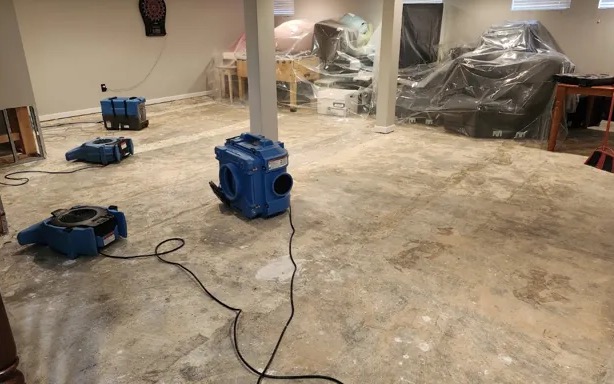
Air scrubbers cycle all the air in the home through filters, removing particles so they do not settle again on cleaned surfaces.
Air Scrubbing for Whole Buildings
Industrial scrubbers with HEPA filters capture airborne soot and odor particles throughout a building in Southbury.
Signs a Southbury Property Needs Fire Smoke Odor Elimination
Discolored or Stained Fabrics
Yellowed or grayed curtains, upholstery, or clothing have absorbed smoke and usually need special cleaning to lose the odor.
Odor Stronger on Humid Days
A smoke smell that gets stronger on damp days means odor is trapped in porous materials and released when moisture rises.
Soot Residue on Walls and Ceilings
Black or gray soot on walls and ceilings shows smoke residue that household cleaners tend to smear rather than remove.
Soot in Electrical Outlets
Fine soot inside outlets and behind switch plates shows smoke reached into wall cavities, not just room surfaces.
How Whole-Building Fire & Smoke Odor Removal Works in Southbury
Step 1: Initial Deodorization With Fogging
The experts fog the building first, breaking down odor residue on surfaces throughout the structure.
Step 2: Content Decontamination and Cleaning
Salvageable belongings are cleaned, often off-site, with methods suited to each material so soot and odor come out.
Step 3: Whole-Building Air Exchange
Negative air machines and scrubbers exchange the indoor air, pulling out smoky air and replacing it with filtered air.
Step 4: Sealing for Residual Odor Control
Porous framing and subfloors are sealed so any last traces of odor stay locked in place.
What Makes Fire Odor So Difficult to Remove
Residual Oils From Incomplete Combustion
Oily residue from burned materials keeps giving off odor long after the fire is put out.
Absorption Into Soft Furnishings
Couches, carpets, and drapes trap smoke odor and release it slowly for weeks after the fire.
Inadequate Ventilation During Fire
With windows and doors closed during a fire, smoke stays concentrated indoors and soaks deeper into materials.
Burning of Synthetic Materials
Burning furniture and plastics produce thick, oily smoke that leaves a sticky, strong-smelling residue on every surface.
Whole-Building Deodorization for Southbury Residences and Offices
Residential Whole-Building Fire & Smoke Odor Removal
In homes, pros combine air scrubbing with ozone treatment suited to household materials, and plan the work so the family can move back in sooner.
Commercial Whole-Building Fire & Smoke Odor Removal
Office buildings often have long, complex duct runs. Pros remove burned materials, clean the ducts zone by zone, and scrub the air on each floor.
Whole-Building Fire & Smoke Odor Removal vs. DIY Odor Removal Methods
Open windows and run fans to clear the first wave of smoke, and wipe hard surfaces like counters and glass with a degreasing cleaner. Odor in walls or fabrics needs professional deodorizing.
Understanding Whole-Building Fire & Smoke Odor Removal Cost Factors
Price grows with the square footage treated and how severe the fire was. A small kitchen fire costs far less than smoke through a whole building.
HVAC System Contamination
Cleaning ducts and HVAC parts adds equipment time and access work to the job.
Severity of Smoke Penetration
Heavy smoke residue needs more cleaning passes and repeat treatments than light surface soot does.
Building Square Footage
Larger buildings need more labor time and more deodorizing solution to cover every room.
Does Insurance Cover Whole-Building Fire & Smoke Odor Removal?
Coverage depends on your policy language and the cause of the fire. The professionals document the damage with photos and notes for your claim file.
Selecting the Right Smoke Odor Elimination Experts for Your Project
Specialized Odor Removal Equipment
Ozone generators, thermal foggers, and HEPA scrubbers are built for odor work that household tools cannot do.
Residual Odor Prevention
Sealing porous surfaces locks in trace odor that cleaning misses, so it does not return after repairs.
24/7 Emergency Response
Smoke odor sets into materials over time, so starting quickly limits how deep it soaks in.
24/7 Emergency Whole-Building Fire & Smoke Odor Removal Response
Smoke odor spreads into belongings and building materials fast after a fire. Call (475) 242-0613 at any hour for emergency smoke damage cleanup help.
Call Now (475) 242-0613Areas Served for Whole-Building Fire & Smoke Odor Removal
The places below are also served, and each one has its own page.
- Whole-Building Fire & Smoke Odor Removal in Heritage Village
- Whole-Building Fire & Smoke Odor Removal in Woodbury
- Whole-Building Fire & Smoke Odor Removal in Woodbury Center
- Whole-Building Fire & Smoke Odor Removal in Oxford
- Whole-Building Fire & Smoke Odor Removal in Bethlehem Village
- Whole-Building Fire & Smoke Odor Removal in Bristol
- Whole-Building Fire & Smoke Odor Removal in Cheshire
- Whole-Building Fire & Smoke Odor Removal in Cheshire Village
Your Whole-Building Fire & Smoke Odor Removal Questions Addressed
How long does fire odor remediation usually take?
It depends on severity, from a few days for a small kitchen fire to several weeks for smoke through a whole building.
What materials typically require fire damaged material removal?
Charred wood, melted plastics, contaminated insulation, and anything that cannot be cleaned or is unsafe are removed and disposed of.
Is whole-house air scrubbing run continuously?
Yes. Industrial HEPA scrubbers run for long periods through the cleanup, filtering fine soot and odor particles from the air.
What's the difference between cleaning and deodorizing?
Cleaning removes visible soot residue, while deodorizing breaks down the odor molecules left behind. Most fire jobs need both steps.
When is surface sealing for residual odor used?
Sealers go on porous surfaces like concrete or framing as a final step, holding in any remaining odor molecules before rebuilding.