Wallingford, CT · New Haven County
Whole-Building Fire & Smoke Odor Removal in Wallingford, CTSurface Sealing For Residual Odor & Thermal Fogging Deodorization
Whole-Building Fire & Smoke Odor Removal in Wallingford pairs whole-house air scrubbing, HVAC duct smoke cleaning, and fire damaged material removal.
Answered 24/7
Total Building Deodorization in Wallingford, CT
An HVAC system can spread smoke odor through the whole building every time the blower runs. Cleaned rooms can smell again if the ducts are skipped.
For homes in Wallingford and nearby North Haven, Cheshire and Cheshire Village, treating the air alone is not enough because odor binds to surfaces. Local pros clean, deodorize, and then seal porous materials.
Detailed Whole-Building Fire & Smoke Odor Removal Procedures for Wallingford
Surface Sealing for Residual Odor
Pros find surfaces that absorbed smoke and still smell after cleaning, then coat them so odor cannot seep back out.
Thermal Fogging Deodorization
The fog travels the same way smoke did, into wood, drywall, and insulation, which makes it useful for greasy kitchen fire odors.
HVAC Duct Smoke Cleaning
Pros clean ducts with brushes, vacuums, and cleaning agents, from the main trunks to each register, so soot is not blown back into rooms.
Whole-House Air Scrubbing
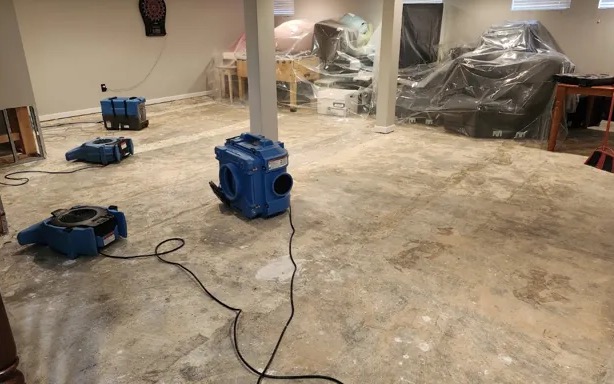
HEPA and carbon filters in industrial air scrubbers capture fine soot and odor particles from every room before they settle on curtains and upholstery.
Electrostatic Soot Removal
Removing dry soot this way keeps it from being ground into surfaces, so hard surfaces come clean throughout the home.
Signs You Need Professional Fire Odor Removal
Discolored or Stained Fabrics
Yellowed or grayed curtains, upholstery, or clothing have absorbed smoke and usually need special cleaning to lose the odor.
Odor Returns After Opening Windows
When airing out the house does not clear the smell, smoke odor has worked its way into walls, floors, or furniture.
Soot in Electrical Outlets
Fine soot inside outlets and behind switch plates shows smoke reached into wall cavities, not just room surfaces.
Stinging Sensation in Eyes or Throat
Stinging eyes or a scratchy throat indoors can come from smoke particles still in the air after the fire is out.
How Whole-Building Fire & Smoke Odor Removal Works in Wallingford
Step 1: Initial Deodorization With Fogging
Smoke odor elimination experts fog the building first, breaking down odor residue on surfaces throughout the structure.
Step 2: Content Decontamination and Cleaning
Salvageable belongings are cleaned, often off-site, with methods suited to each material so soot and odor come out.
Step 3: Whole-Building Air Exchange
Negative air machines and scrubbers exchange the indoor air, pulling out smoky air and replacing it with filtered air.
Step 4: Sealing for Residual Odor Control
Porous framing and subfloors are sealed so any last traces of odor stay locked in place.
Common Causes of Persistent Fire Odor
Secondary Water Damage
Water used to fight the fire can spread soot into new areas and carry odor into floors and wall cavities.
Contaminated HVAC Ductwork
An HVAC system running during a fire pulls smoky air into the ducts and coats their insides with soot.
Smoke Penetration Into Porous Materials
Smoke odor soaks deep into drywall, wood, and insulation, which then release the smell for months if left untreated.
Improper Initial Odor Mitigation
Air fresheners and surface cleaners only cover the smell and leave the residue that causes it in place.
Comprehensive Odor Solutions for Any Building
Residential Whole-Building Fire & Smoke Odor Removal
Homeowners need both the structure and their belongings treated. Pros clean personal items and fog the building so the smell leaves the whole living space.
Commercial Whole-Building Fire & Smoke Odor Removal
Restaurants and stores need merchandise, equipment, and ductwork cleaned so smoke odor does not drive customers away after reopening.
Whole-Building Fire & Smoke Odor Removal vs. DIY Odor Removal Methods
Photograph the damage before cleaning or moving anything, and list affected belongings. Share the photos with your insurer, then leave deodorizing of walls and contents to pros.
Understanding Whole-Building Fire & Smoke Odor Removal Cost Factors
Duct cleaning and content cleaning add to the scope and the price when the HVAC system and belongings also hold odor.
Deodorization Method Required
Thermal fogging and ozone treatment use different equipment, and some jobs need both methods.
Content Cleaning Scope
The number and type of belongings to clean, and whether they go off-site, affect time and cost.
Affected Material Types
Porous materials like drywall and upholstery often need special treatment or removal, which adds work.
Does Insurance Cover Whole-Building Fire & Smoke Odor Removal?
Whether insurance covers smoke odor removal is the adjuster's decision. The experts provide reports and photos to support your conversation with the insurer.
Benefits of Hiring Whole-building Deodorization Specialists in Wallingford
Comprehensive Odor Attack Plan
Air scrubbing, fogging, and sealing together treat both airborne odor and odor held inside materials.
24/7 Emergency Response
Smoke odor sets into materials over time, so starting quickly limits how deep it soaks in.
HVAC System Decontamination
Ducts are cleaned so the HVAC system does not keep pushing smoke odor through the building after cleanup.
Around-the-Clock Help for Smoke Damage in Wallingford, CT
Early containment limits the spread of soot and odor through the building. Call (475) 242-0613 24/7 if your property needs help after a fire.
Call Now (475) 242-0613Areas Served for Whole-Building Fire & Smoke Odor Removal
Each place listed below has its own page with local details.
- Whole-Building Fire & Smoke Odor Removal in Cheshire
- Whole-Building Fire & Smoke Odor Removal in Cheshire Village
- Whole-Building Fire & Smoke Odor Removal in Meriden
- Whole-Building Fire & Smoke Odor Removal in Plainville
- Whole-Building Fire & Smoke Odor Removal in Heritage Village
- Whole-Building Fire & Smoke Odor Removal in Seymour
- Whole-Building Fire & Smoke Odor Removal in Bethlehem Village
- Whole-Building Fire & Smoke Odor Removal in Bristol
Understanding Whole-Building Fire & Smoke Odor Removal: Frequently Asked Questions
When is surface sealing for residual odor used?
Sealers go on porous surfaces like concrete or framing as a final step, holding in any remaining odor molecules before rebuilding.
What's the difference between cleaning and deodorizing?
Cleaning removes visible soot residue, while deodorizing breaks down the odor molecules left behind. Most fire jobs need both steps.
Will opening windows get rid of smoke smell in home?
Airing out helps with smoke in the air at first, but it does not remove odor soaked into walls, furniture, and carpet.
What is whole-building fire and smoke odor removal?
It is a process that removes smoke smell from every part of a structure, using air scrubbing, fogging, and duct cleaning to treat air and materials.
Is whole-house air scrubbing run continuously?
Yes. Industrial HEPA scrubbers run for long periods through the cleanup, filtering fine soot and odor particles from the air.