Brooklyn, CT · New Haven County
Heating Equipment Fire Restoration in Brooklyn, CTFire-Damaged Heating System Evaluation & Heating Equipment Fire Debris Removal
Heating Equipment Fire Restoration in Brooklyn addresses heating system soot cleanup, smoke odor elimination, and fire damaged duct cleaning.
Answered 24/7
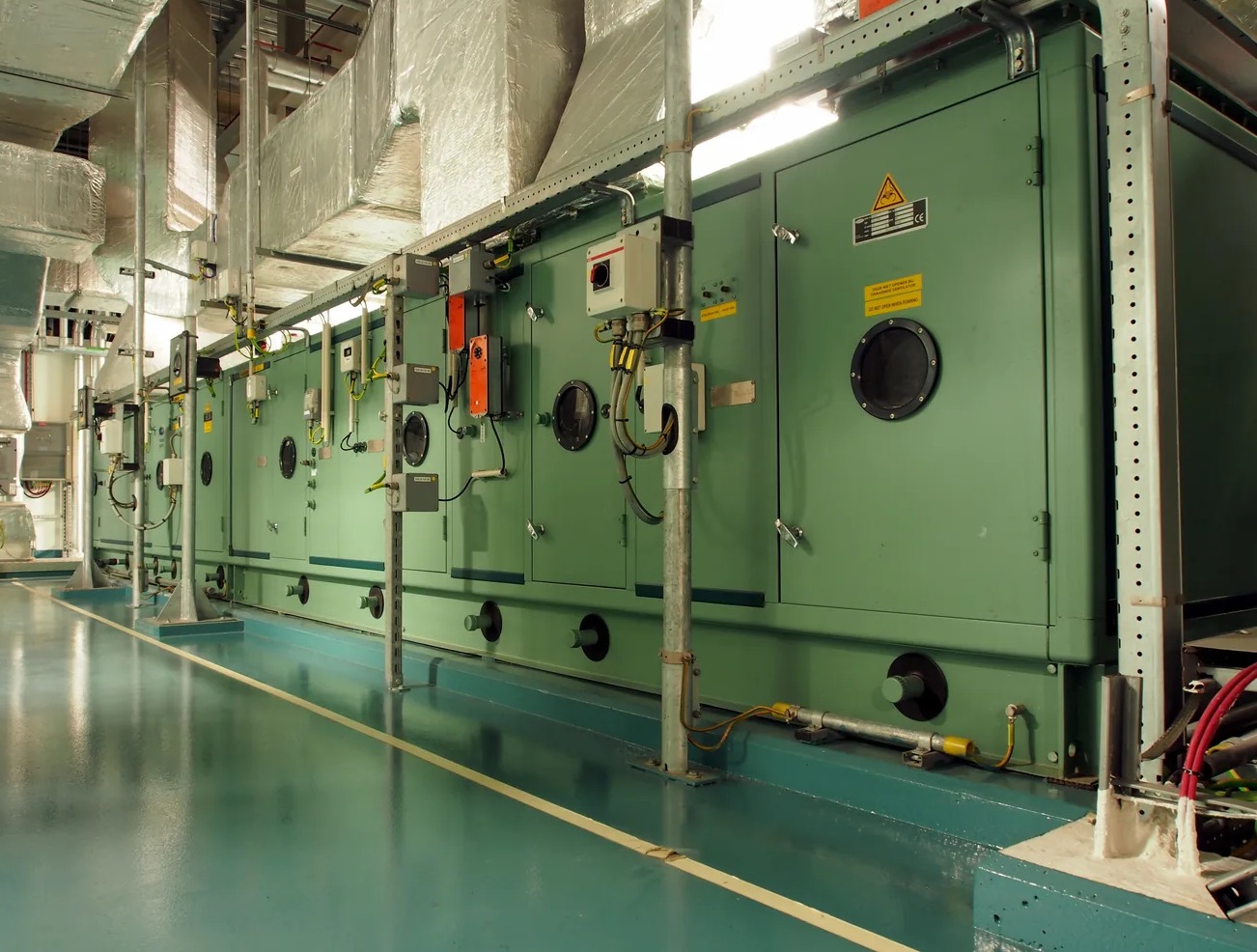
Heating Equipment Fire Restoration Solutions in Brooklyn, Connecticut
In Brooklyn, a heating unit fire spreads soot and smoke through the ducts and rooms. Local fire damage pros clean soot from the heating system and the house and board up any openings.
Heating equipment fire restoration in Brooklyn addresses unique risks from heating system fires, which can leave extensive soot and smoke damage in ducts and structures. The pros provide fire damage cleanup services for properties here and in nearby areas like Bucks Hill, East End and North End. They remove soot and smoke odor to industry standards.
Complete Heating Equipment Fire Restoration Process in Brooklyn
Fire-Damaged Heating System Evaluation
After a fire, the heating system needs a professional evaluation. The pros check for hidden damage to internal components and safety mechanisms.
Heating Equipment Fire Debris Removal
The pros carefully extract charred components, ash, and soot from the appliance. Debris removal comes first.
Structural Soot Removal
Soot accumulation on structural elements requires careful removal. The pros employ methods like dry sponging and chemical washing suited to each surface.
Fire Damaged Duct Cleaning
Fire damaged duct cleaning is necessary because HVAC systems can circulate soot and smoke residues. This involves a thorough cleaning of all ductwork, registers, and the air handler unit.
Smoke Odor Elimination
Smoke odor elimination tackles the persistent smell permeating fabrics and drywall after a heating equipment fire. The process involves advanced techniques like thermal fogging to neutralize odor molecules.
Warning Signs You Need Heating Equipment Fire Restoration
Visible Ductwork Discoloration
Discolored metal on your heating ducts often means internal smoke damage cleanup is required.
Unusual Noises From Heating Unit
New rattling or whistling from the heater after a fire can mean damaged parts that should be checked before it runs again.
Ash Residue on Furnace Components
Ash and debris inside your furnace cabinet are a clear sign of heating system fire cleanup.
Soot on Heating System Vents
Soot deposits on your heating vents mean the system needs professional cleanup before you run it.
How Heating Equipment Fire Restoration Works in Brooklyn
Step 1: Emergency Assessment and Board Up
The pros first secure the site with emergency fire board up. They document all heating unit fire damage for your insurance claim with photos and notes.
Step 2: Soot and Smoke Residue Removal
Soot is removed from all surfaces first, including the walls around the unit and the heating system itself.
Step 3: Deep Duct and HVAC Cleaning
Fire damaged duct cleaning uses industry-standard equipment to remove soot and ash. An HVAC component assessment verifies each part's safety and function after the fire incident.
Step 4: Air Quality Testing and Odor Elimination
Final smoke odor removal techniques are applied. Post-fire air quality testing confirms the environment is clean before the heating equipment fire restoration is complete.
Typical Origins of Heating Unit Fires in Brooklyn
Faulty Wiring in Heating Systems
Aged or improper wiring connected to your heating system is a frequent cause of heating system fire cleanup.
Furnace Electrical Short Circuit
An electrical short inside a furnace can ignite nearby materials and spread soot through the ducts.
Mechanical Furnace Component Failure
A failing blower motor or bearing can create extreme friction and sparks, causing heating equipment fire damage.
Clogged Heating System Airflow
Severely restricted airflow makes a heater overheat, potentially causing a fire and smoke damage cleanup.
Complete Heating Equipment Fire Restoration for Brooklyn Properties
Residential Heating Equipment Fire Restoration
Residential fire damage frequently affects personal belongings. The pros in Brooklyn focus on content cleaning after fire for items like furniture and electronics. An assessment for heating equipment repair after fire also checks system safety before any reuse.
Commercial Heating Equipment Fire Restoration
For warehouses or factories, soot spreads widely. The experts perform industrial-scale structural soot removal from high ceilings and equipment. Their cleanup suits large spaces and heavy equipment.
Hiring Fire Damage Pros vs. DIY Heating Equipment Fire Restoration in Brooklyn
If the fire is completely out and the area is secure, you may cover a broken window with plywood as a temporary measure. Do not enter any structurally compromised spaces. Never try to clean your HVAC ducts yourself after a fire. For fire damaged duct cleaning, rely on the specialists.
Understanding Heating Equipment Fire Restoration Expenses in Brooklyn
The cost for heating system fire cleanup in the Brooklyn community in Waterbury, varies with the complexity of the restoration process. Key factors include how much odor removal is needed and whether board-up was required.
Soot Contamination Level
Dense soot from a heating system fire requires more intensive cleaning methods and time, directly impacting the restoration labor costs for the pros in Brooklyn.
HVAC Assessment Findings
An HVAC component assessment may reveal parts needing repair or replacement, which contributes to the final cost of heating equipment fire restoration.
Ductwork Damage Extent
Fire damaged duct cleaning complexity varies widely; severely compromised HVAC ducts may need sections replaced, influencing material and labor costs.
Does Insurance Cover Heating Equipment Fire Restoration?
For smoke damage cleanup claims, you must confirm coverage details with your insurance provider directly. The pros document everything from the HVAC assessment to soot removal for your claim file.
Benefits of Local Pros for Heating Equipment Fire Restoration in Brooklyn
Comprehensive Smoke Odor Removal
Addressing odor at its source with techniques like thermal fogging targets the lingering smells that simple cleaning often misses after a fire.
Content Cleaning Expertise
Specialized processes for content cleaning after fire aim to salvage personal belongings affected by soot and smoke residues.
Structural Soot Removal Focus
Attention is given to removing soot from building materials to prevent permanent staining and potential air quality issues in your home.
Around-the-Clock Emergency Heating Equipment Fire Restoration in Brooklyn
Board-up and containment come first. For heating equipment fire restoration services in Brooklyn, outside standard hours, the number to call is (475) 242-0613.
Call Now (475) 242-0613Heating Equipment Fire Restoration Service Area Including Brooklyn
Other places served are listed below, each with its own page.
- Heating Equipment Fire Restoration in Bucks Hill
- Heating Equipment Fire Restoration in East End
- Heating Equipment Fire Restoration in North End
- Heating Equipment Fire Restoration in Pine Hill
- Heating Equipment Fire Restoration in Robinwood
- Heating Equipment Fire Restoration in Bunker Hill
- Heating Equipment Fire Restoration in Hillside Historic District
- Heating Equipment Fire Restoration in Overlook
Heating Equipment Fire Restoration FAQ for Brooklyn Homeowners
What causes lingering smoke odors after cleanup?
Odors persist when smoke particles penetrate deep into porous materials like drywall and insulation, which standard cleaning may not reach, requiring advanced odor elimination.
How quickly should soot be cleaned after a fire?
Soot is acidic and can etch or stain surfaces, so removal prevents permanent damage.
How is smoke odor removed after a heating fire?
Smoke odor removal uses techniques like thermal fogging and ozone treatment to neutralize odor molecules embedded in materials, going beyond surface cleaning.
What does heating equipment fire restoration involve?
It usually includes soot cleanup, smoke odor removal, an HVAC assessment and cleaning of fire-damaged ducts.
What is involved in smoke damage remediation?
Smoke damage remediation addresses both visible residues and invisible odors through cleaning, sealing, or replacing affected materials and using air scrubbing equipment.