Oakville, CT · Litchfield County
Heating Equipment Fire Restoration in Oakville, CTSmoke Odor Elimination & Emergency Fire Board Up
Heating Equipment Fire Restoration in Oakville addresses heating system soot cleanup, smoke odor elimination, and fire damaged duct cleaning.
Answered 24/7
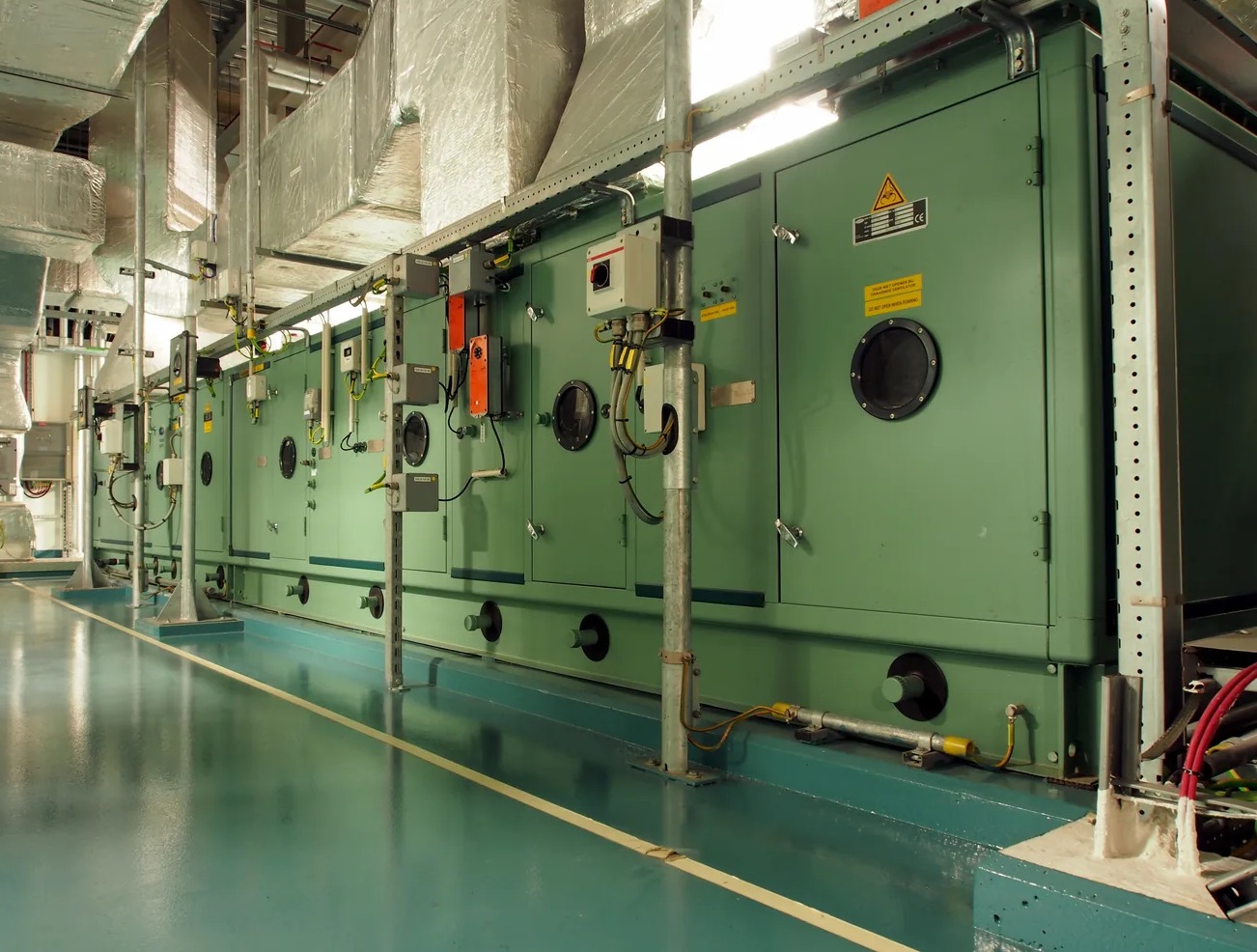
Local Heating Equipment Fire Restoration for Oakville Residents
Heating equipment fire restoration matters for properties in Oakville because a heating system fire can spread soot and smoke rapidly, compromising air quality and structural integrity. Local smoke remediation specialists board up the site first, then remove soot to industry standards.
In Oakville, a census-designated place in Litchfield County, heating equipment fire restoration tackles smoke odor and soot residues that can linger after a heating system fire. The specialists offer services here and in areas like Waterville, Bunker Hill and Watertown, including fire damaged duct cleaning and post-fire air quality testing. Response is available 24/7 to begin fire damage restoration.
Heating Equipment Fire Restoration Work Scope in Oakville
Smoke Odor Elimination
Smoke odor elimination tackles the persistent smell permeating fabrics and drywall after a heating equipment fire. The process involves advanced techniques like thermal fogging to neutralize odor molecules.
Emergency Fire Board Up
Emergency fire board up secures breaches in a property's envelope caused by fire. The pros install sturdy boarding over windows and doors throughout Oakville.
HVAC Component Assessment
A thorough assessment of HVAC components is needed after a fire. The specialists in Oakville examine electrical connections, the heat exchanger, and airflow pathways.
Heating Equipment Fire Debris Removal
Burnt wiring and ash from a heating system fire pose ongoing risks. The specialists clear and contain fire-damaged materials before repairs begin.
Fire Damaged Duct Cleaning
HVAC ducts can harbor harmful residues after a heating unit fire. The pros perform a complete duct cleaning to extract these particulates.
When to Call for Heating Equipment Fire Restoration in Oakville
Smoke Damage on Furnishings
Belongings covered in smoke residue after a heating fire require professional content cleaning after fire.
Persistent Smoke Odor in Rooms
A lingering smoke smell after a heating system fire means smoke odor elimination is likely necessary.
Soot Stains on Walls and Ceilings
Soot stains spreading from the heating unit mean soot must be removed from the structure.
Soot on Heating System Vents
Soot deposits on your heating vents mean the system needs professional cleanup before you run it.
How Heating Equipment Fire Restoration Works in Oakville
Step 1: Emergency Assessment and Board Up
The specialists first secure the site with emergency fire board up. They document all heating unit fire damage for your insurance claim with photos and notes.
Step 2: Soot and Smoke Residue Removal
Soot is removed from all surfaces first, including the walls around the unit and the heating system itself.
Step 3: Deep Duct and HVAC Cleaning
Fire damaged duct cleaning uses industry-standard equipment to remove soot and ash. An HVAC component assessment verifies each part's safety and function after the fire incident.
Step 4: Air Quality Testing and Odor Elimination
Final smoke odor removal techniques are applied. Post-fire air quality testing confirms the environment is clean before the heating equipment fire restoration is complete.
Common Causes of Heating Equipment Fires in Oakville
Flammable Storage Near Heating Unit
Paints or chemicals stored next to a furnace can catch fire and fill the house with smoke.
Overheating Boiler or Heat Exchanger
A failing boiler or cracked heat exchanger can overheat and start a fire.
Dust and Lint Ignition in Ducts
Built-up dust in ductwork can catch a spark and burn, leaving soot inside the ducts.
Improper Space Heater Placement
Portable heaters placed near curtains or furniture can ignite them, starting a fire damage cleanup process.
Residential and Commercial Heating Equipment Fire Restoration in Oakville
Residential Heating Equipment Fire Restoration
Residential fire damage frequently affects personal belongings. The specialists in Oakville focus on content cleaning after fire for items like furniture and electronics. An assessment for heating equipment repair after fire also checks system safety before any reuse.
Commercial Heating Equipment Fire Restoration
For warehouses or factories, soot spreads widely. The experts perform industrial-scale structural soot removal from high ceilings and equipment. Their cleanup suits large spaces and heavy equipment.
Why DIY Fire Cleanup Fails: Call Smoke Remediation Specialists in Oakville
You can remove unsoiled items from adjacent rooms to prevent cross-contamination. Do not wash smoke-damaged fabrics with normal detergent, as it can set the odor. Avoid using air fresheners to mask smoke smells. Removing smoke odor takes the pros.
Cost Considerations for Heating Equipment Fire Restoration in Oakville
The cost for heating system fire cleanup in Oakville, varies with the complexity of the restoration process. Key factors include how much odor removal is needed and whether board-up was required.
Ductwork Damage Extent
Fire damaged duct cleaning complexity varies widely; severely compromised HVAC ducts may need sections replaced, influencing material and labor costs.
HVAC Assessment Findings
An HVAC component assessment may reveal parts needing repair or replacement, which contributes to the final cost of heating equipment fire restoration.
Air Quality Testing
Air quality testing confirms the cleanup worked and is a separate step.
Does Insurance Cover Heating Equipment Fire Restoration?
When filing a claim for smoke damage remediation, the insurer makes all coverage determinations. The role of the specialists is to provide precise documentation of the damage and the restoration methods applied for your records.
The Value of Local Specialists for Heating Equipment Fire Restoration in Oakville
Structural Soot Removal Focus
Attention is given to removing soot from building materials to prevent permanent staining and potential air quality issues in your home.
24/7 Emergency Response
Fast action after a heating fire prevents secondary damage from soot and smoke.
Documentation for Claims
Detailed documentation of all damage and restoration steps is prepared to assist you when you file an insurance claim for the loss.
Emergency Heating Equipment Fire Restoration in Oakville
The pros are available around the clock. To start soot removal after fire and secure your property in Oakville, call the emergency number (475) 242-0613.
Call Now (475) 242-0613Heating Equipment Fire Restoration Service Area Including Oakville
Other places served are listed below, each with its own page.
- Heating Equipment Fire Restoration in Waterville
- Heating Equipment Fire Restoration in Bunker Hill
- Heating Equipment Fire Restoration in Watertown
- Heating Equipment Fire Restoration in Overlook
- Heating Equipment Fire Restoration in Hillside Historic District
- Heating Equipment Fire Restoration in East Mountain
- Heating Equipment Fire Restoration in Hopeville
- Heating Equipment Fire Restoration in Lakewood
Common Heating Equipment Fire Restoration Questions Answered
Are fire damage cleanup services available 24/7?
Yes, emergency response for fire damage cleanup is typically available around the clock to begin mitigation and prevent secondary damage as soon as possible.
Is heating system fire cleanup different from other fires?
Heating oil, furnace and boiler fires often leave dense, oily soot that needs special cleaners.
What causes lingering smoke odors after cleanup?
Odors persist when smoke particles penetrate deep into porous materials like drywall and insulation, which standard cleaning may not reach, requiring advanced odor elimination.
When is emergency fire board up used?
It's an immediate service to secure windows, doors, or roof openings after a fire, protecting the property from weather and unauthorized entry before restoration begins.
What is structural soot removal?
This focuses on cleaning soot from walls, ceilings, and other building materials to prevent permanent staining and to eliminate a source of odor and particles.