Oxford, CT · New Haven County
Mold Structural Damage Restoration in Oxford, CTSubfloor Mold Remediation & Mold Contaminated Insulation Removal
Mold infested drywall removal, structural wood mold treatment, and mold contaminated insulation removal are key mold structural damage restoration services in Oxford.
Answered 24/7
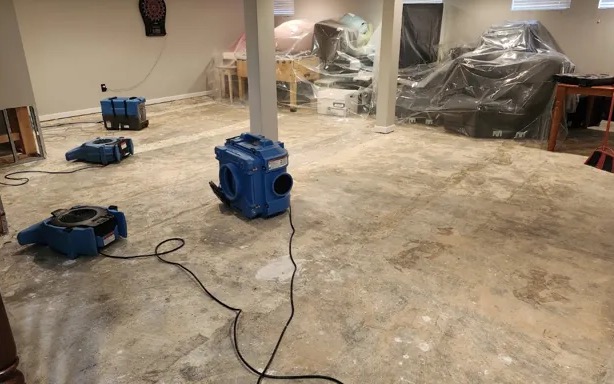
Local Mold Structural Damage Restoration for Oxford Homes
Mold damage restoration in Oxford addresses both visible destruction and hidden hazards that affect structural stability and indoor air quality. Testing may be needed to find all affected areas in walls, floors and ducts.
In Oxford, ongoing dampness can leave mold on structural wood and in insulation. Nearby communities like Beacon Falls, Seymour and Naugatuck also benefit from these specialized services. Local structural damage restoration pros remove black mold and repair the structure.
Mold Structural Damage Restoration Work Provided in Oxford
Subfloor Mold Remediation
The pros locate the source of subfloor mold. They remove damaged plywood, treat the joists below and dry the area.
Mold Contaminated Insulation Removal
In homes throughout Oxford, attic or wall insulation often holds hidden mold. The pros conduct thorough removal to address both mold and moisture.
Mold Damaged Flooring Removal
Mold-damaged flooring removal is more than a demolition job. It involves identifying the moisture pathway, protecting unaffected areas, and preparing a clean substrate for whatever new flooring you choose.
HVAC Duct Mold Cleaning
The pros perform thorough internal cleaning of contaminated HVAC ductwork, plenums, and coils to stop spore circulation.
Emergency Mold Containment Setup
Containment comes first when mold growth is heavy. It involves sealing off doorways, vents, and other openings with plastic sheeting and establishing negative pressure within the work area for safety.
Signs of Mold Structural Damage
Allergy Symptoms Indoors
Sudden worsening of coughs, itchy eyes, or congestion at home can be a reaction to mold spores.
HVAC System With Dusty Smell
Mold in air ducts often circulates a dusty, musty odor whenever the heating or cooling runs.
Peeling Paint or Wallpaper
Adhesive failure and paint blistering are common signs of moisture and mold behind the surface.
Flooring That Feels Spongy
Soft spots underfoot on laminate, tile, or wood floors often point to subfloor mold damage.
How Mold Structural Damage Restoration Works in Oxford
Step 1: Detailed Moisture Mapping
Using advanced sensors, the experts create a moisture map of all affected structural areas to guide the entire mold cleanup.
Step 2: HVAC Duct Mold Cleaning
If the HVAC system is contaminated, the ducts are cleaned to stop spores circulating.
Step 3: Contaminated Material Extraction
Mold-contaminated building materials like insulation and drywall are safely removed and disposed of according to local guidelines for mold abatement.
Step 4: Structural Integrity Restoration
Remaining wood and framing are then repaired and treated against new mold.
What Causes Mold Structural Damage
Chronic Plumbing Leaks
Slow drips inside walls or under floors provide constant moisture, leading to extensive structural mold damage over time.
Appliance Overflow Incidents
Washing machine, dishwasher, or water heater failures can flood floors and walls, starting rapid mold growth.
High Indoor Humidity Levels
Consistent humidity above 60 percent allows mold spores on surfaces to germinate and colonize materials.
Foundation Water Seepage
Groundwater or poor drainage can wet subfloors and support posts, causing mold in crawl spaces and basements.
Mold Structural Damage Restoration for Homes & Businesses in Oxford
Residential Mold Structural Damage Restoration
Residential mold cleanup often involves delicate materials like plaster and historic wood. The specialists remove drywall and repair the structure while keeping the home's character.
Commercial Mold Structural Damage Restoration
In commercial settings, mold can spread quickly through shared HVAC systems. The experts clean ducts and dry the structure so air circulates safely.
Mold Structural Damage Restoration vs. DIY: When to Call Mold Removal Specialists
A property owner can document visible damage by taking clear, dated photos of all affected areas for their insurance claim before any cleanup begins. Since coverage decisions belong entirely to the insurer, they should confirm policy specifics regarding mold structural damage restoration before authorizing any professional work to proceed.
Mold Structural Damage Restoration Cost in Oxford, CT
The overall expense is influenced by the scale of required containment procedures to prevent cross-contamination throughout the property. It also depends on the extended duration of structural drying often needed after remediation in enclosed spaces like wall cavities.
Structural Drying
Post-remediation structural drying duration and the number of air movers or dehumidifiers needed influence the overall timeline and cost.
Emergency Response
After-hours or weekend work to set up mold containment may cost more than scheduled work.
Containment Level
Establishing negative air pressure and sealing off work zones adds to the project scope and required equipment.
Does Insurance Cover Mold Structural Damage Restoration?
Insurance coverage for mold structural damage restoration often depends on the source of the moisture. The specialists document all damage with photos and moisture readings for a homeowner's claim submission. The final coverage decision rests solely with the insurance adjuster; homeowners should always confirm specifics directly with their provider.
Advantages of Hiring Local Specialists in Oxford
Targeted Material Treatment
Each material gets its own procedure, such as structural wood versus ducts.
IICRC-Standard Remediation
Methods follow industry guidelines for safe mold abatement and structural repair, focusing on containment and proper removal.
Post-Remediation Verification
A final check confirms spore counts are acceptable after drying and repairs.
Emergency Mold Structural Damage Restoration Available in Oxford
Emergency mold and mildew removal from structural components cannot wait. For help with containment and assessment in Oxford, call (475) 242-0613 anytime. The specialists focus on halting further structural damage during the initial response.
Call Now (475) 242-0613Mold Structural Damage Restoration in Oxford and Other Areas Served
Each place listed below has its own page with local details.
- Mold Structural Damage Restoration in Seymour
- Mold Structural Damage Restoration in Naugatuck
- Mold Structural Damage Restoration in Southbury
- Mold Structural Damage Restoration in Cheshire
- Mold Structural Damage Restoration in Cheshire Village
- Mold Structural Damage Restoration in Terryville
- Mold Structural Damage Restoration in Bethlehem Village
- Mold Structural Damage Restoration in Bristol
FAQ on Mold Structural Damage Restoration in Oxford
Does mold testing happen before and after restoration?
Pre-testing can identify spore types and levels. Testing after remediation is standard to confirm cleanup and drying worked.
What is the goal of mold abatement in this context?
It removes active mold and spores from structural materials to a level safe for occupancy.
Can structural wood mold treatment save damaged beams?
If the damage is only on the surface, cleaning and antimicrobial treatment can often save the wood. Badly weakened load-bearing members may need to be reinforced or replaced by a contractor.
What happens during post-remediation structural drying?
After mold removal and repairs, industrial dehumidifiers and air movers dry out new materials and adjacent structures to prevent residual moisture from causing new mold growth.
How is mold contaminated insulation removal performed?
Affected insulation is carefully bagged and removed, the cavity is cleaned and treated, and new insulation is installed only after the area passes mold inspection and is fully dry.