Pine Hill, CT · New Haven County
Mold Structural Damage Restoration in Pine Hill, CTStructural Wood Mold Treatment & Mold Contaminated Insulation Removal
Mold infested drywall removal, structural wood mold treatment, and mold contaminated insulation removal are key mold structural damage restoration services in Pine Hill.
Answered 24/7
Mold Structural Damage Restoration Experts Serving Pine Hill
In Pine Hill, properties with mold structural damage face issues like compromised indoor air quality and progressive decay of materials like wood and drywall. An inspection shows how far the problem goes.
In Pine Hill, mold that damages structure usually starts with a hidden leak that kept wood wet for months. Local water damage restoration experts, who also work in nearby Brooklyn, Bucks Hill and East End, stop the decay, remove damaged material and treat the wood that remains.
Detailed Mold Structural Damage Restoration Offerings in Pine Hill
Structural Wood Mold Treatment
Mold can break down wood fibers over time and weaken framing. Treatment cleans the wood and stops further decay, and badly weakened pieces are replaced.
Mold Contaminated Insulation Removal
The pros perform full insulation removal. They extract all contaminated batts or blown-in material to clear the way for a fresh layer.
Post-Remediation Structural Drying
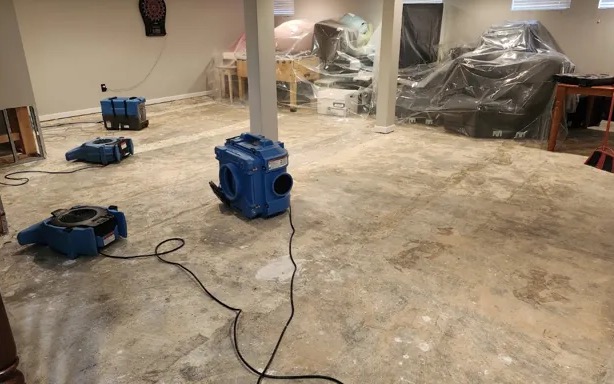
Structural drying removes the latent moisture that initially caused the mold problem. The process employs high-volume airflow and desiccant dehumidification to dry wall cavities, subfloors, and framing from the inside out.
Emergency Mold Containment Setup
The pros erect plastic barriers at a project's start. They use negative air machines with HEPA filtration to create a sealed work zone.
Subfloor Mold Remediation
Mold under flooring can warp floors. Flooring is pulled up, the subfloor treated and the space dried completely.
Warning Signs You Need Mold Structural Damage Restoration
Flooring That Feels Spongy
Soft spots underfoot on laminate, tile, or wood floors often point to subfloor mold damage.
Musty Odors in Specific Rooms
A persistent earthy smell often signals hidden mold growth within walls, floors, or HVAC systems.
HVAC System With Dusty Smell
Mold in air ducts often circulates a dusty, musty odor whenever the heating or cooling runs.
Cracking or Splitting Wood Joints
As mold weakens structural wood, joints and supports may start to show physical stress cracks.
How Mold Structural Damage Restoration Works in Pine Hill
Step 1: Mold Inspection and Damage Assessment
The pros begin with a detailed inspection, using tools to map moisture and locate all mold damage within the structure.
Step 2: Emergency Mold Containment Setup
To prevent spore spread, pros establish containment with barriers and negative air machines, isolating the work area from the rest of the property.
Step 3: Structural Mold Removal and Treatment
Affected materials like drywall, insulation, and wood are removed or treated. This includes removing drywall and treating structural wood.
Step 4: Post-Remediation Structural Drying
Drying equipment removes the remaining moisture from the structure so mold does not return.
Common Causes of Mold Structural Damage
Poor Bathroom Ventilation
Shower steam with no exhaust fan leads to moisture buildup on walls and ceilings, encouraging mold.
Appliance Overflow Incidents
Washing machine, dishwasher, or water heater failures can flood floors and walls, starting rapid mold growth.
Chronic Plumbing Leaks
Slow drips inside walls or under floors provide constant moisture, leading to extensive structural mold damage over time.
Improper Drying After Water Damage
Incomplete drying after any water incident leaves hidden moisture that turns into mold within days.
Mold Structural Damage Restoration for All Property Types in Pine Hill
Residential Mold Structural Damage Restoration
Household mold damage restoration frequently starts in bathrooms, kitchens, and basements where moisture is common. The pros treat the subfloor and remove the mold at its source.
Commercial Mold Structural Damage Restoration
For schools or medical facilities, strict protocols govern mold remediation. Pros remove black mold and repair the structure to keep occupants safe and meet code.
Mold Structural Damage Restoration vs. DIY: When to Call Local Specialists
Before the pros get there, you can remove easily accessible personal items from the affected room to speed up their work. Do not attempt mold infested drywall removal or structural wood treatment yourself, as this requires containment and specialized tools.
Factors in Mold Structural Damage Restoration Pricing for Pine Hill
The overall expense is influenced by the scale of required containment procedures to prevent cross-contamination throughout the property. It also depends on the extended duration of structural drying often needed after remediation in enclosed spaces like wall cavities.
Demolition Scope
Removing mold damaged flooring or contaminated insulation increases debris disposal costs and replacement material expenses.
Material Type
Costs differ between treating porous wood studs versus non-porous materials, as each requires specific mold removal and restoration approaches.
Access Challenges
Hard-to-reach areas like ducts or closed subfloors take more time and tools to clean.
Does Insurance Cover Mold Structural Damage Restoration?
Whether a policy covers mold damage restoration hinges on the cause listed. The specialists in Pine Hill provide detailed documentation of structural damage for a homeowner to submit to their insurer. Review your policy, since your insurer makes all payment decisions.
Reasons to Select Local Specialists for Mold Structural Damage Restoration
Clear Scope Communication
You receive a clear explanation of necessary steps, from mold contaminated insulation removal to final repairs.
Thorough Drying Protocols
Post-remediation structural drying uses industrial equipment to remove residual moisture from rebuilt cavities and materials.
Structural Damage Focus
The work prioritizes assessing and addressing compromised load-bearing elements and building materials, not just surface mold cleanup.
Emergency Mold Structural Damage Restoration Available in Pine Hill
When mold from water damage compromises your home's framework, urgent action is needed. Reach the specialists at (475) 242-0613 day or night to start containment.
Call Now (475) 242-0613Mold Structural Damage Restoration Provided Throughout New Haven County
Each place listed below has its own page with local details.
- Mold Structural Damage Restoration in Brooklyn
- Mold Structural Damage Restoration in Bucks Hill
- Mold Structural Damage Restoration in East End
- Mold Structural Damage Restoration in North End
- Mold Structural Damage Restoration in Robinwood
- Mold Structural Damage Restoration in Bunker Hill
- Mold Structural Damage Restoration in Hillside Historic District
- Mold Structural Damage Restoration in Overlook
Mold Structural Damage Restoration Common Questions Answered
Can structural wood mold treatment save damaged beams?
If the damage is only on the surface, cleaning and antimicrobial treatment can often save the wood. Badly weakened load-bearing members may need to be reinforced or replaced by a contractor.
How is mold and mildew removal from structural elements different?
Mildew is surface-level and can often be cleaned. Deep structural mold gets into materials, so those materials must be removed.
How is mold contaminated insulation removal performed?
Affected insulation is carefully bagged and removed, the cavity is cleaned and treated, and new insulation is installed only after the area passes mold inspection and is fully dry.
What is involved in mold structural damage restoration?
It includes assessment, containment, removal of moldy materials, treatment of the remaining structure, drying and final testing.
Is mold infested drywall removal always necessary?
Drywall is porous and typically cannot be salvaged once mold is inside. Removal and replacement are standard to eliminate the mold reservoir and allow for structural drying.