Lakewood, CT · New Haven County
Smoke Damage Assessment in Lakewood, CTEmergency Smoke Damage Tarping & Smoke Odor Source Detection
Smoke Damage Assessment in Lakewood covers smoke odor source detection, HVAC system smoke contamination check and emergency smoke damage tarping.
Answered 24/7
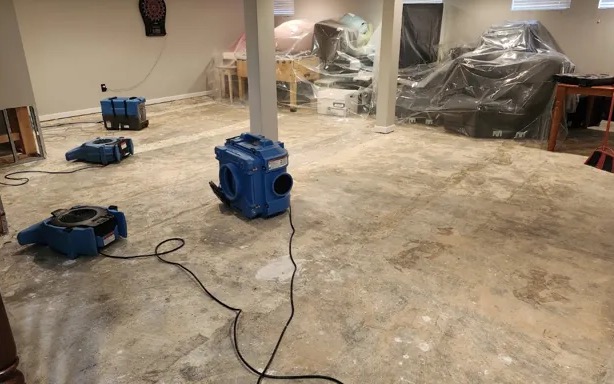
Professional Smoke Damage Assessment in Lakewood, CT
After a fire, smoke damage in Lakewood homes can be as harmful as the flames. Soot coats surfaces and gets into mechanical systems, causing corrosion and poor indoor air, so a full assessment saves money later.
Homes in Lakewood and nearby areas like Overlook, Waterville and Hillside Historic District often need a detailed assessment after smoke damage. Local soot cleanup pros evaluate soot on contents, the structure and air quality, including odor sources and HVAC systems, to plan a full recovery.
Detailed Smoke Damage Assessment Process in Lakewood, CT
Emergency Smoke Damage Tarping
Tarping seals roof and wall openings so more soot and weather do not get in, protecting clean areas during the assessment.
Smoke Odor Source Detection
Detection also finds odor absorbed into materials that never show soot, so every source in Lakewood homes is treated.
Smoke Residue Analysis
For homes in the Lakewood community in Waterbury, the pros test whether residue is oily, dry or acidic so the wrong cleaning method is never used.
Soot Damage Assessment for Contents
Pros decide which items can be cleaned on-site, which go off-site and which cannot be saved, with photos and notes for insurance.
HVAC System Smoke Contamination Check
Pros check heating and cooling ducts for soot, since the system can spread smoke to rooms the fire never reached.
Indicators That Require a Professional Smoke Damage Assessment
Black Dust Around Plumbing Fixtures
Fine black powder around drains or toilet bases can be soot carried by air currents.
Tacky or Sticky Surfaces in Kitchen
Sticky countertops, cabinets and appliances are often coated with oily smoke residue.
Visible Soot or Yellowing on Walls
Black or yellow stains and streaks on walls and ceilings show smoke residue has settled there.
Discolored or Dulled Paint and Varnish
Paint or finishes that look yellowed or dulled are often damaged by acidic soot.
How Smoke Damage Assessment Works in Lakewood
Step 1: Visual Inspection for Soot Residues
The pros inspect for staining, discoloration and particles on every surface.
Step 2: Airflow and Contamination Pathway Analysis
Pros study how smoke moved through the house to find where it settled.
Step 3: Material Porosity and Absorption Testing
Drywall, wood and insulation are tested to see how deep smoke soaked in.
Step 4: Odor Penetration and Strength Evaluation
Pros judge how strong and widespread the odor is to choose removal methods.
Common Causes of Smoke Damage Assessment Needs in Lakewood
HVAC System Recirculating Soot
A running HVAC system can spread smoke and soot through every room of the house.
Improper Post-Fire Ventilation
Poor ventilation after a fire lets residue settle and bond more firmly to surfaces.
Kitchen Grease Fire Residue
Grease fires produce thick, oily smoke that leaves sticky residue on kitchen surfaces.
Electrical Fire Smoke Contamination
Electrical fires create acrid smoke that corrodes metal and leaves a strong odor.
Complete Smoke Damage Assessment for All Properties in Lakewood
Residential Smoke Damage Assessment
Home assessments focus on family safety, finding hidden odor sources in attics, crawl spaces and ducts and deciding which belongings can be saved.
Commercial Smoke Damage Assessment
Commercial assessments check smoke's effect on equipment, stock and ventilation to prevent corrosion and plan cleanup that meets health standards.
The Risks of DIY Smoke Damage Assessment in Lakewood
Bowls of baking soda or activated charcoal can reduce odor a little. Avoid ozone generators or strong chemical sprays without professional guidance, and call the pros for a full evaluation.
Understanding Smoke Damage Assessment Cost in Lakewood
Hard-to-reach areas like tight crawl spaces or high ceilings may need special equipment to inspect, which adds time.
Surface Types
Delicate surfaces like stone or fine wood need special inspection methods and care.
Content Assessment Scope
Many belongings to assess means more itemized documentation and time on site.
Property Size
Larger homes in Lakewood have more space to test and inspect, which takes more time.
Does Insurance Cover Smoke Damage Assessment?
Your insurer decides coverage for cleanup assessment. The pros in Lakewood supply reports on odor sources to support your claim.
Selecting Soot Cleanup Pros in Lakewood for Smoke Damage Assessment
Structural Integrity Inspection
A structural inspection finds hidden damage in building materials before any repairs.
Comprehensive Damage Documentation
Detailed reports with photos and readings support your records and your insurance claim.
Detailed Reporting
You receive a clear, itemized report that guides the cleanup that follows.
Emergency Smoke Damage Assessment Available Anytime in Lakewood
Smoke damage gets worse the longer it sits. For an assessment in Lakewood, call (475) 242-0613; the pros can start inspecting and documenting at any hour.
Call Now (475) 242-0613Smoke Damage Assessment Available Throughout New Haven County
Each place listed below has its own page with local details.
- Smoke Damage Assessment in Overlook
- Smoke Damage Assessment in Waterville
- Smoke Damage Assessment in Hillside Historic District
- Smoke Damage Assessment in Bunker Hill
- Smoke Damage Assessment in Brooklyn
- Smoke Damage Assessment in Hopeville
- Smoke Damage Assessment in Mill Plain
- Smoke Damage Assessment in Bucks Hill
Frequently Asked Questions About Smoke Damage Assessment
Does assessment include post-fire surface damage evaluation?
Yes. Walls, counters and floors are checked for etching, discoloration and residue that need cleaning or repair.
What if smoke damage is only in one room?
Smoke travels on air currents, so a full assessment often finds contamination in other rooms and the HVAC system.
Is smoke residue testing necessary?
Yes. Knowing the type of residue tells pros which cleaning methods will work without causing damage.
How long does a typical assessment take?
It depends on size and damage, but a full assessment of an average home often takes several hours.
Why is smoke odor so difficult to remove?
Smoke particles soak deep into porous materials and linger in HVAC systems, so finding every source takes professional tools.