Wallingford, CT · New Haven County
Smoke Damage Assessment in Wallingford, CTPost-Fire Surface Damage Evaluation & Soot Damage Assessment For Contents
Smoke Damage Assessment in Wallingford covers smoke odor source detection, HVAC system smoke contamination check and emergency smoke damage tarping.
Answered 24/7
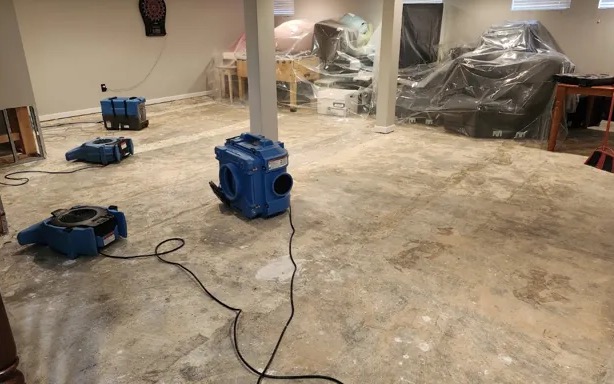
Detailed Smoke Damage Assessment in Wallingford, Connecticut
For homes in Wallingford, a smoke damage assessment shows how safe the home is and how much cleanup it needs. Soot and gases cling to surfaces and circulate in the air, so skipping the evaluation risks an incomplete job.
Homes in Wallingford and nearby areas like North Haven, Cheshire and Cheshire Village often need a detailed assessment after smoke damage. Local smoke damage pros evaluate soot on contents, the structure and air quality, including odor sources and HVAC systems, to plan a full recovery.
Smoke Damage Assessment and Inspection Services in Wallingford
Post-Fire Surface Damage Evaluation
Testing shows whether residue sits on the surface and can be cleaned or has caused deeper damage that needs repair.
Soot Damage Assessment for Contents
Pros check furniture, electronics and other belongings for soot and sort them by residue type and material.
Smoke Odor Source Detection
Pros locate the places where smoke odor is stored, such as insulation, HVAC ducts and porous materials, so treatment targets the source.
Smoke Residue Analysis
For homes in Wallingford, local smoke damage pros test whether residue is oily, dry or acidic so the wrong cleaning method is never used.
HVAC System Smoke Contamination Check
The HVAC system is checked early so it does not blow soot or odor back into cleaned rooms in Wallingford.
Signs of Smoke Damage Requiring Assessment in Wallingford
Visible Soot or Yellowing on Walls
Black or yellow stains and streaks on walls and ceilings show smoke residue has settled there.
Smoke Stains on Air Vents
Dark streaks around supply and return vents mean smoke has moved through the ductwork.
Ash Residue on Furniture and Fixtures
A fine ash layer or sticky film on furniture and fixtures means smoke particles have settled on them.
Unusual Irritation or Respiratory Issues
Coughing, itchy eyes or breathing trouble at home can point to smoke in the indoor air.
How Smoke Damage Assessment Works in Wallingford
Step 1: Emergency Smoke Damage Tarping
The pros tarp openings so more soot and weather do not get in during the assessment.
Step 2: Structural Smoke Inspection
Pros inspect walls, ceilings and framing to see how far smoke reached and which soot types are present.
Step 3: Soot Damage Assessment for Contents
Every affected item is evaluated to decide what can be cleaned, restored or must be replaced.
Step 4: Post-Fire Air Quality Testing
Pros measure particles in the air to guide the cleanup plan and confirm what needs treatment.
Events That Necessitate a Smoke Damage Assessment
Pressure Changes During the Fire
Pressure changes during a fire push smoke into closed cabinets, drawers and wall cavities.
Improper Post-Fire Ventilation
Poor ventilation after a fire lets residue settle and bond more firmly to surfaces.
Water Used During Firefighting
Firefighting water mixes with soot and spreads stains and residue further through the house.
Synthetic Material Combustion
Burning plastics, vinyl or foam releases acidic soot that can etch and stain surfaces.
Smoke Damage Assessment for Every Building Type in Wallingford
Residential Smoke Damage Assessment
Home assessments often find smoke in closets and between floorboards, and residue testing then sets the right cleaning method.
Commercial Smoke Damage Assessment
Warehouses need checks of high ceilings, racks and wiring for corrosive residue that could cause equipment failures later.
The Risks of DIY Smoke Damage Assessment in Wallingford
After a very small, contained fire, you may clean glass, metal and ceramic with suitable cleaners once the house is safe to enter. Smoke in the HVAC system, walls or insulation needs professional inspection.
Evaluating Smoke Damage Assessment Cost for Wallingford Properties
Hard-to-reach areas like tight crawl spaces or high ceilings may need special equipment to inspect, which adds time.
Emergency Measures
Emergency tarping done before the assessment is part of the overall cost.
Air Quality Testing
Testing air in several zones adds sampling and lab analysis to the job.
Odor Severity
Strong, lasting odors need advanced detection methods to trace them to the source.
Does Insurance Cover Smoke Damage Assessment?
Whether your policy covers an assessment depends on the cause of the fire and your limits. The pros in Wallingford provide reports for the adjuster, so confirm what cleanup is included.
The Value of Local Pros for Your Smoke Damage Assessment
Air Quality Verification
Air testing shows when the home is safe to live in again after the cleanup.
Around-the-Clock Initiation
An assessment from the pros help prevent more damage while cleanup is planned.
Content Damage Analysis
Belongings are inspected to decide what can be cleaned and what needs other care.
24/7 Emergency Smoke Damage Assessment for Wallingford
Do not let smoke residue keep damaging your home. Reach the pros at (475) 242-0613 24/7 in Wallingford to start odor tracing and inspection.
Call Now (475) 242-0613Smoke Damage Assessment Coverage Area Including Wallingford
The places below are also served, and each one has its own page.
- Smoke Damage Assessment in Cheshire
- Smoke Damage Assessment in Cheshire Village
- Smoke Damage Assessment in Meriden
- Smoke Damage Assessment in Plainville
- Smoke Damage Assessment in Heritage Village
- Smoke Damage Assessment in Seymour
- Smoke Damage Assessment in Bethlehem Village
- Smoke Damage Assessment in Bristol
Common Smoke Damage Assessment Questions Answered
Why is smoke odor so difficult to remove?
Smoke particles soak deep into porous materials and linger in HVAC systems, so finding every source takes professional tools.
What does a smoke damage assessment involve?
A visual inspection, residue testing, structural inspection and often air testing to document all soot and odor damage.
Is smoke residue testing necessary?
Yes. Knowing the type of residue tells pros which cleaning methods will work without causing damage.
Can smoke damage affect my HVAC system?
Yes. Smoke circulates through ducts, so checking the HVAC system is a standard part of a thorough assessment.
Does assessment include post-fire surface damage evaluation?
Yes. Walls, counters and floors are checked for etching, discoloration and residue that need cleaning or repair.