Plymouth, CT · Litchfield County
Hardwood Floor Water Damage Restoration in Plymouth, CTWater Damaged Subfloor Repair & Hardwood Floor Moisture Inspection
Hardwood Floor Water Damage Restoration in Plymouth requires hardwood floor water extraction, hardwood floor drying services, and wood floor warping repair.
Answered 24/7
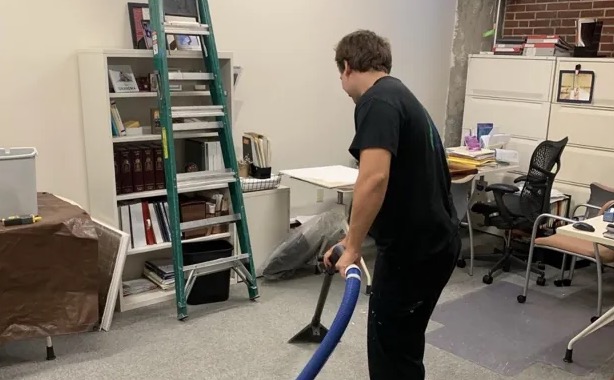
Expert Hardwood Floor Water Damage Restoration for Plymouth Homes
Repairing wet wood floors in Plymouth keeps them safe and good-looking. Water weakens wood, making it prone to splintering and creating an ideal environment for mold spores to colonize, which can affect the health of residents.
Addressing hardwood water damage repair in Plymouth and nearby Thomaston, Terryville and Bristol Center involves understanding how moisture interacts with home materials. Local hardwood floor drying experts in Plymouth use industrial dehumidifiers and air movers to dry floors thoroughly, preventing secondary damage like staining or mold that can follow water events.
Comprehensive Hardwood Floor Water Damage Restoration Solutions
Water Damaged Subfloor Repair
When hardwood gets wet, the subfloor frequently suffers damage. Repair specialists methodically remove affected hardwood to expose the subfloor for drying, treatment, or replacement.
Hardwood Floor Moisture Inspection
A professional moisture inspection uses penetrating meters to map water content. Meters find hidden moisture in the planks and subfloor.
Flooded Hardwood Floor Cleanup
Cleanup removes water, silt, and contaminants from flooded floors. Wood-safe cleaning prepares the surface for drying and repair.
Hardwood Floor Drying Services
After extraction, strategic drying pulls residual moisture from wood pores and the subfloor. High-velocity air movers circulate air while dehumidifiers condense water vapor from the atmosphere.
Hardwood Floor Water Extraction
Standing water on hardwood requires urgent removal. Pros extract water from between planks and along edges, where it often hides.
Signs of Water Damage on Hardwood Floors in Plymouth
Squeaking or Creaking
Excessive noise when walking over previously quiet areas points to nail or adhesive failure from moisture. It often follows hardwood floor water damage.
Visible Mold Growth
Black, white, or green spots on the wood or in seams indicate a serious moisture problem.
Cupping or Crowning
Board edges are higher than the center, or the center is higher than edges. This distortion is a classic symptom of wood floor water damage needing correction.
Hardwood Floor Buckling
Notice raised edges or gaps between boards, indicating moisture expansion. Warped sections can become trip hazards and worsen without hardwood floor water damage restoration.
How Hardwood Floor Water Damage Restoration Works in Plymouth
Step 1: Damage Assessment and Containment
The process begins with a thorough evaluation of the water damaged wood floor and its source. Pros contain the area to prevent cross-contamination and plan the restoration strategy.
Step 2: Subfloor Water Extraction
Focus shifts to removing water trapped beneath the hardwood surface. Access holes may be cut to dry the subfloor completely.
Step 3: Targeted Airflow and Dehumidification
Professionals position high-volume air movers to circulate air across and under the floor. Coupled with dehumidifiers, this method drives out moisture during hardwood floor water damage restoration.
Step 4: Final Verification and Cleaning
After drying, moisture readings are verified to meet industry standards. The final phase includes flooded hardwood floor cleanup, sanitization, and preparing the surface for any necessary refinishing.
Sources of Hardwood Floor Flooding in Plymouth
Plumbing Pipe Leaks
A burst pipe, pinhole leak, or faulty connection under floors releases water directly onto wood and subflooring.
Overflowing Bathtubs or Sinks
A bathroom flood from an unattended tub or clogged sink can quickly spread water into hallways and bedrooms.
Faulty or Missing Vapor Barrier
In installations over concrete, a failed moisture barrier allows ground vapor to rise into the wood.
Pet Accidents or Spills
Repeated urine or water spills that are not dried seep into seams and warp the wood over time.
Hardwood Floor Water Damage Restoration for All Property Types in Plymouth
Residential Hardwood Floor Water Damage Restoration
Family homes need safe, thorough restoration after incidents like water heater leaks damage bedrooms or dens. The work includes repair, drying and documentation for insurance claims.
Commercial Hardwood Floor Water Damage Restoration
Gyms, studios and dance halls need their floors dried properly to stay safe to use. Hardwood Floor Water Damage Restoration here focuses on warping repair and moisture remediation to restore the floor's flatness and functionality for users.
Hardwood Floor Water Damage Restoration vs. DIY: When to Call Local Experts
Fans and a dehumidifier can dry a small surface spill on hardwood. For deep soaking, cupping or warping, the floor needs commercial drying mats and equipment.
What Affects Hardwood Floor Water Damage Restoration Pricing
Local hardwood floor drying experts evaluate several variables to determine hardwood floor water damage restoration cost in Plymouth, including the flooring finish, the room's layout, and the required cleanup scope.
Final Inspection and Documentation
A final moisture inspection and documentation for your records are part of the cost.
Emergency Service Timing
Requiring water extraction and response outside standard hours can affect the overall pricing structure for the emergency service.
Moisture Remediation Time
The duration needed for thorough hardwood floor drying with professional equipment is a primary factor in determining the final service cost.
Does Insurance Cover Hardwood Floor Water Damage Restoration?
Insurance for subfloor repair and drying depends on your policy. The decision on reimbursement belongs to your insurance carrier, so confirm with them.
Why Choose Local Experts for Hardwood Floor Water Damage Restoration in Plymouth
Subfloor Assessment and Repair
The subfloor is checked and repaired if water damaged it, giving the floor a solid base.
Precise Moisture Inspection
Meters find hidden moisture in planks and subfloor and confirm drying is complete.
24/7 Emergency Response
Help is available at any hour to begin containing hardwood floor water damage and starting the drying process.
Urgent Hardwood Floor Water Damage Restoration Help Day or Night
For assistance with flooded hardwood floors, contact the experts at (475) 242-0613. Quick action can help limit warping and mold growth, starting with emergency water extraction and drying.
Call Now (475) 242-0613Hardwood Floor Water Damage Restoration in Plymouth and Other Areas Served
The places below are also served, and each one has its own page.
- Hardwood Floor Water Damage Restoration in Thomaston
- Hardwood Floor Water Damage Restoration in Terryville
- Hardwood Floor Water Damage Restoration in Waterville
- Hardwood Floor Water Damage Restoration in Bristol
- Hardwood Floor Water Damage Restoration in Woodbury Center
- Hardwood Floor Water Damage Restoration in Woodbury
- Hardwood Floor Water Damage Restoration in Cheshire
- Hardwood Floor Water Damage Restoration in Cheshire Village
Frequently Asked Questions About Hardwood Floor Water Damage Restoration
What is included in flooded hardwood floor cleanup?
Flooded hardwood floor cleanup includes water extraction, thorough drying, cleaning of the wood surface to remove contaminants, and applying treatments to inhibit mold.
What does emergency floor water removal involve?
Emergency floor water removal involves quickly extracting standing water with truck-mounted or portable extractors to minimize absorption and start the drying process.
How does hardwood floor drying prevent further damage?
Industrial air movers and dehumidifiers rapidly reduce moisture levels in the wood, which helps prevent permanent warping, buckling, and mold growth on the floor surface.
How is a hardwood floor moisture inspection conducted?
A hardwood floor moisture inspection uses penetrating and non-penetrating moisture meters to measure water content within the planks and the subfloor, creating a map of wet areas.
How long does the hardwood floor drying process typically take?
The hardwood floor drying process duration varies based on moisture levels and wood type, but it often takes several days with professional equipment running continuously.