Plymouth, CT · Litchfield County
Smoke Damage Assessment in Plymouth, CTPost-Fire Surface Damage Evaluation & Smoke Residue Testing
Smoke Damage Assessment in Plymouth includes smoke residue testing, structural smoke inspection and soot damage assessment for contents.
Answered 24/7
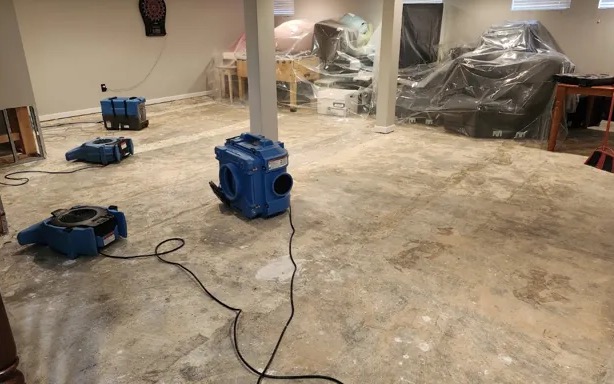
Accurate Smoke Damage Assessment for Plymouth Properties
A fire in Plymouth often leaves smoke damage on electronics, fabrics and air ducts. Without proper assessment, soot keeps breaking down materials and odors return, so a careful evaluation comes first.
Homes in Plymouth and nearby areas like Thomaston, Terryville and Bristol Center often need a detailed assessment after smoke damage. Local smoke damage pros evaluate soot on contents, the structure and air quality, including odor sources and HVAC systems, to plan a full recovery.
Smoke Damage Assessment Services in Plymouth
Post-Fire Surface Damage Evaluation
Testing shows whether residue sits on the surface and can be cleaned or has caused deeper damage that needs repair.
Smoke Residue Testing
Whether residue is acidic, alkaline or oily decides how walls, ceilings and contents are cleaned and deodorized.
Emergency Smoke Damage Tarping
Securing openings is a standard first step of the 24/7 response to fires in Plymouth.
Soot Damage Assessment for Contents
Items are sorted by direct soot exposure or secondary exposure, since porous materials absorb odor and hard surfaces may only need cleaning.
HVAC System Smoke Contamination Check
Soot coats duct interiors and coils and keeps releasing odor. Pros inspect the whole system to set the cleaning needed in Plymouth.
Symptoms That Call for a Smoke Damage Assessment in Plymouth
Condensation of Soot on Cool Surfaces
Soot on mirrors, windows or tile shows smoke particles condensed on cooler surfaces.
Tacky or Sticky Surfaces in Kitchen
Sticky countertops, cabinets and appliances are often coated with oily smoke residue.
Black Dust Around Plumbing Fixtures
Fine black powder around drains or toilet bases can be soot carried by air currents.
Visible Soot or Yellowing on Walls
Black or yellow stains and streaks on walls and ceilings show smoke residue has settled there.
How Smoke Damage Assessment Works in Plymouth
Step 1: Documentation for Insurance Purposes
Smoke damage pros photograph and note all damage for your insurance before any work begins.
Step 2: Identification of Smoke Residue Types
Pros identify whether residue is protein, fuel or dry smoke to choose the right cleaning.
Step 3: Assessment of Corrosive Damage Potential
Pros check how much acidic soot could corrode metals, wiring and electronics.
Step 4: Development of Customized Cleanup Protocol
A cleanup plan is written from the findings, covering odor removal and restoration.
Common Causes of Smoke Damage Assessment Needs in Plymouth
High Heat Driving Smoke Into Materials
High heat forces smoke particles into the smallest pores of walls, floors and furniture.
Natural Material Smoke From Wood
Burning wood or paper leaves dry, powdery soot that still discolors and odorizes surfaces.
Incomplete Combustion From Smoldering
Smoldering fires produce large amounts of smoke that soak deep into porous materials.
Kitchen Grease Fire Residue
Grease fires produce thick, oily smoke that leaves sticky residue on kitchen surfaces.
Smoke Damage Assessment for Homes and Businesses in Plymouth
Residential Smoke Damage Assessment
Home assessments focus on family safety, finding hidden odor sources in attics, crawl spaces and ducts and deciding which belongings can be saved.
Commercial Smoke Damage Assessment
Commercial assessments check smoke's effect on equipment, stock and ventilation to prevent corrosion and plan cleanup that meets health standards.
The Risks of DIY Smoke Damage Assessment in Plymouth
You can launder lightly affected curtains and bedding and wipe hard surfaces on doors and trim gently. For electronics, appliances or greasy residue, stop and schedule an assessment so nothing gets worse.
Understanding Smoke Damage Assessment Cost in Plymouth
In Plymouth, an urgent call that includes emergency tarping before the assessment can change the first service charge.
Emergency Measures
Emergency tarping done before the assessment is part of the overall cost.
Air Quality Testing
Testing air in several zones adds sampling and lab analysis to the job.
Smoke Penetration Depth
Soot deep in walls or ducts needs more testing to find odor sources.
Does Insurance Cover Smoke Damage Assessment?
Your insurer decides coverage for cleanup assessment. The pros in Plymouth supply reports on odor sources to support your claim.
Why Choose Local Pros for Smoke Damage Assessment in Plymouth
IICRC-Standard Assessment Methods
Assessments follow accepted industry steps so every pathway the smoke took is found.
HVAC System Evaluation
Smoke moves through ducts, so the HVAC system is checked as part of every assessment.
Comprehensive Damage Documentation
Detailed reports with photos and readings support your records and your insurance claim.
Emergency Smoke Damage Assessment in Plymouth, CT
Lasting smoke smells need prompt investigation. Call (475) 242-0613 for the experts who can trace the source in Plymouth.
Call Now (475) 242-0613Smoke Damage Assessment Coverage Area Including Plymouth
Other places served are listed below, each with its own page.
- Smoke Damage Assessment in Thomaston
- Smoke Damage Assessment in Terryville
- Smoke Damage Assessment in Waterville
- Smoke Damage Assessment in Bristol
- Smoke Damage Assessment in Woodbury Center
- Smoke Damage Assessment in Woodbury
- Smoke Damage Assessment in Cheshire
- Smoke Damage Assessment in Cheshire Village
Smoke Damage Assessment FAQs
What is post-fire air quality testing?
It samples indoor air for harmful particles and chemicals to confirm the home is safe before people move back in.
Can assessment determine if contents are salvageable?
It gives a first evaluation, but final decisions often come after professional cleaning is tried.
What does a smoke damage assessment involve?
A visual inspection, residue testing, structural inspection and often air testing to document all soot and odor damage.
Why is smoke odor so difficult to remove?
Smoke particles soak deep into porous materials and linger in HVAC systems, so finding every source takes professional tools.
How long does a typical assessment take?
It depends on size and damage, but a full assessment of an average home often takes several hours.